Pipeline repair is expensive, disruptive, and in most cases, avoidable.
Most internal corrosion failures trace back to the same root cause: a weld joint that was never properly protected during construction. Field welding burns through the internal lining at every joint, leaving bare steel exposed to the service fluid from day one.
Internal sleeve protection changes that. Operators who build sleeve-based joint protection into their pipelines at construction spend significantly less on repair, inspection, and emergency intervention over the full asset life.
Why Traditional Repair Strategies Are No Longer Enough
Reactive Maintenance Is Costly and Compounding
The traditional approach to pipeline corrosion management is reactive. Operators run integrity programs, detect anomalies through in-line inspection, investigate, and repair when necessary.
This works, but the cost accelerates over time. As pipelines age, corrosion at unprotected weld zones compounds. Each repair triggers further inspection requirements, and each anomaly investigation consumes engineering and field resources. Over a 30 or 40-year asset life, reactive maintenance costs far more than proactive protection at construction ever would have.
Weld Joints Drive Most Repair Demand
When operators trace internal corrosion failures back to their source, weld joints consistently come out on top.
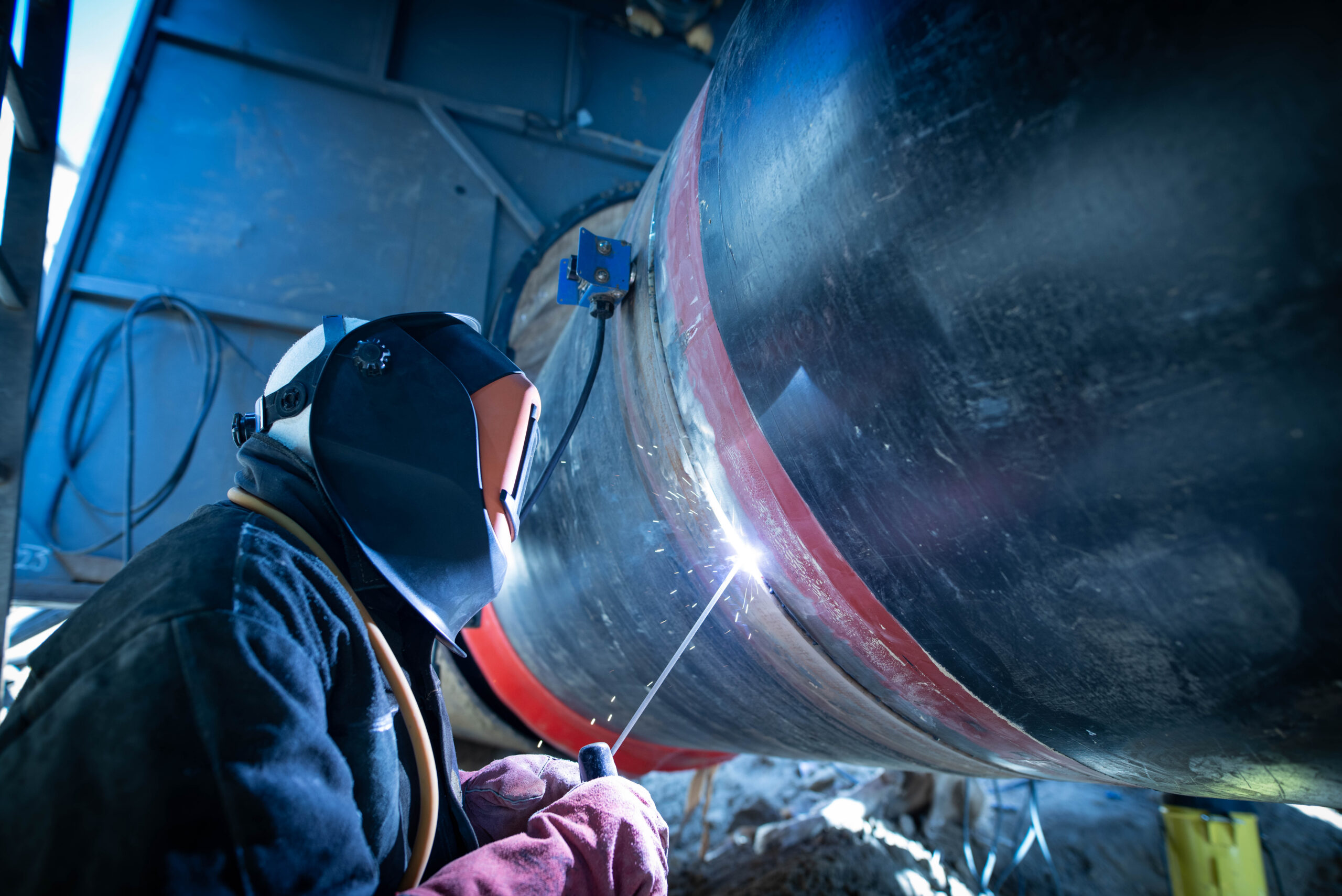
The reason is straightforward. Internal coatings protect the pipe body well. However, every field weld burns through that coating at the heat-affected zone, leaving bare steel exposed from day one of operation. In aggressive environments, that bare steel degrades quickly. In milder environments, it degrades more slowly. Either way, the joint is always where corrosion begins.
How Internal Sleeve Protection Transforms Repair Strategy
It Eliminates the Root Cause Instead of Managing the Symptom
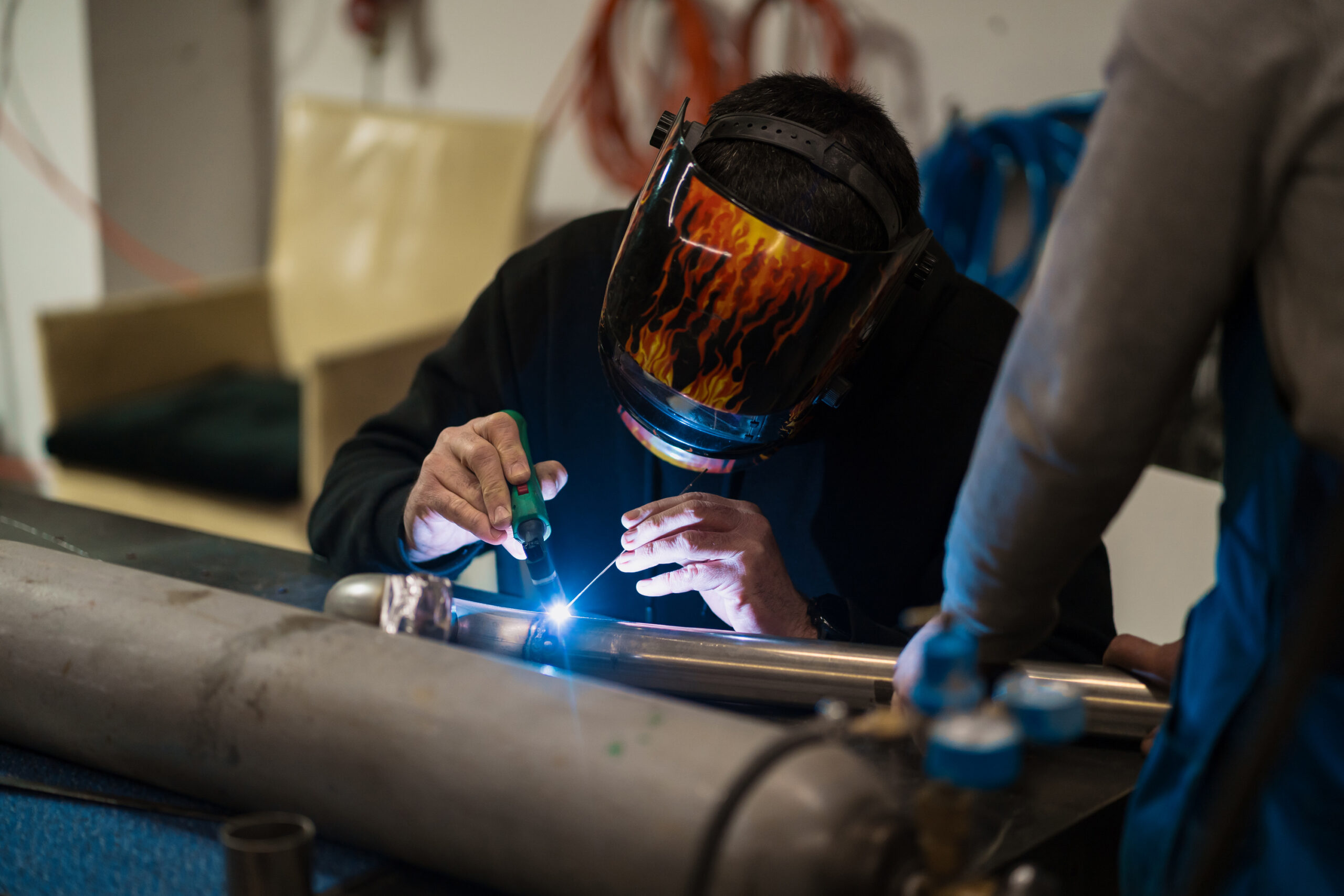
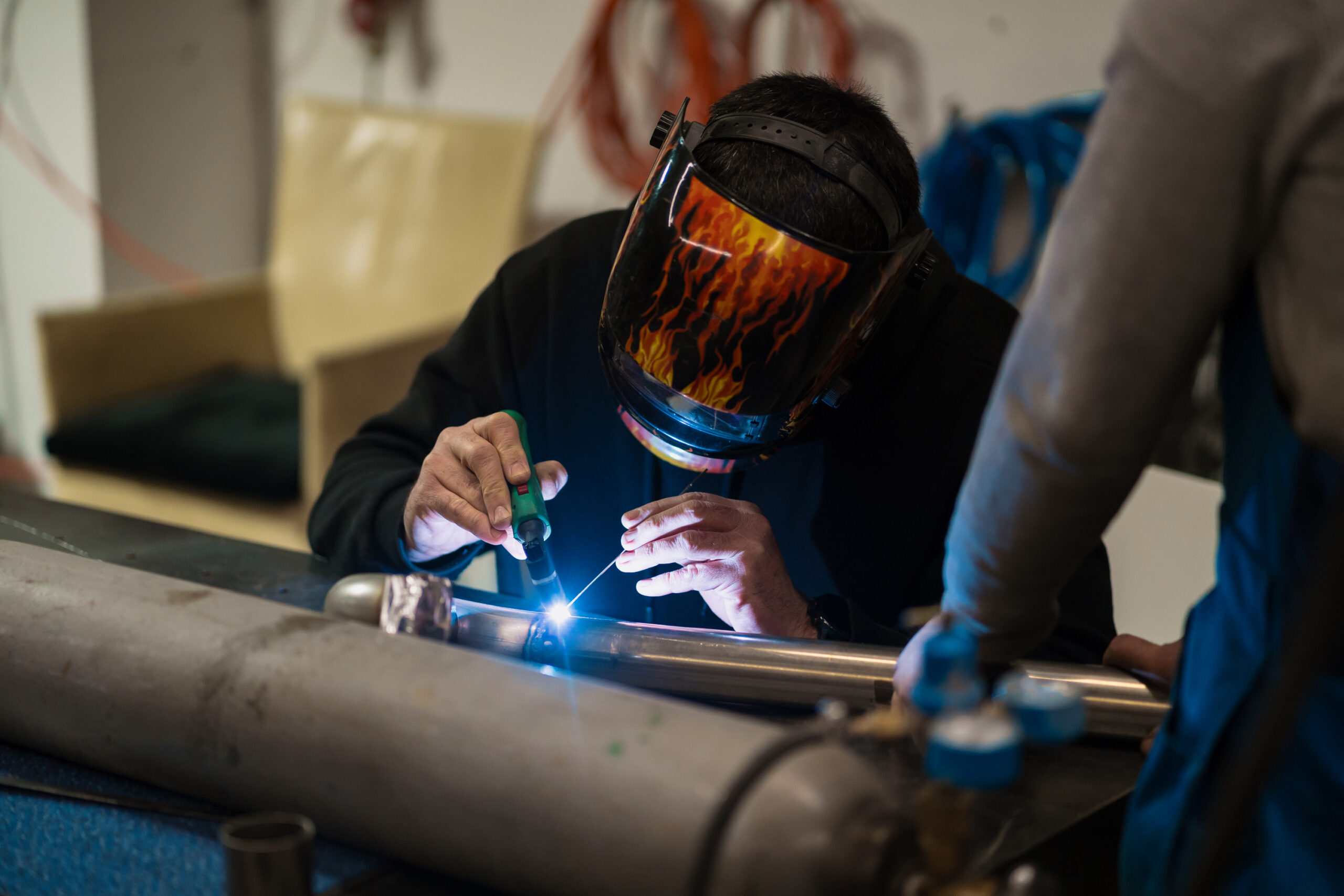
Internal sleeve protection works by sealing the weld joint before the weld is even made. A sleeve is inserted into the pipe end before joint assembly. When the weld is complete, the sleeve already sits in position, covering the joint zone and sealing it against the service fluid.
As a result, this approach eliminates the bare steel exposure that drives weld-zone corrosion. Instead of building a pipeline with hundreds of unprotected joints and managing corrosion at each of them for decades, operators build a pipeline with continuous internal protection and remove that category of failure entirely.
It Reduces ILI Anomalies and Investigation Burden
One of the most tangible benefits of internal sleeve protection is cleaner in-line inspection results.
Unprotected weld joints accumulate corrosion anomalies over time. Each anomaly demands investigation, fitness-for-purpose assessment, and often repair or ongoing monitoring, which drives up the cost and complexity of pipeline integrity programs year after year.
Pipelines with internal sleeve protection at every joint produce far fewer anomalies. Consequently, integrity programs become leaner, more predictable, and less expensive to run. Over a 30-year asset life, that difference compounds into a major operational and financial advantage.
It Prevents Emergency Repair Scenarios
Emergency repairs are the most expensive and disruptive outcome of internal corrosion failures. They are unplanned, they interrupt production, and they always arrive at the worst possible time.
When weld-zone corrosion progresses undetected to the point of failure, operators face excavation, flow stoppage, pipe replacement, testing, and reinstatement on an emergency timeline. Internal sleeve protection reduces that risk significantly. A pipeline where every weld joint carries a verified barrier does not produce emergency failures from weld-zone corrosion.
Sleeves Beyond New Construction
Repair Welds Need the Same Protection as Original Construction Joints
Internal sleeve protection is not only for new pipelines. Repair welds and tie-in operations are among the most vulnerable points in any pipeline’s service life.
A repair weld that is not internally protected introduces a new unprotected bare steel zone into the pipeline, starting the corrosion cycle over again at the exact point that was just repaired. That makes proper internal protection at repair welds just as critical as at original construction joints.
Aging Pipelines Benefit From Sleeve Protection at Every New Weld
Many pipelines in operation today were built before internal sleeve protection was available. As they age, operators face growing internal corrosion at aging pipeline weld zones that were never protected at construction.
For these assets, internal sleeve protection at every new repair or modification weld stops the cycle from continuing. It does not rehabilitate the entire pipeline, but it ensures that every new weld introduced during the asset’s remaining life carries proper internal protection.
The Right Sleeve for the Right Pipeline
Not all sleeve systems deliver the same results. The right choice depends on lining type, pipe geometry, and service environment.
FlexSleeve for ID-Coated and Thin-Lining Pipelines
The FlexSleeve® is the most widely deployed LPS solution for large-diameter pipelines with epoxy or thin internal coatings. It is lightweight, installs without specialized equipment, and works within normal pipe bore tolerances, making it practical for both new construction and repair welding.
For a real-world example, the highly corrosive brine pipeline case study shows exactly how FlexSleeve performed under demanding field conditions.
CCB Sleeve for Upstream Line Pipe
For upstream oil and gas pipelines carrying produced fluids with chlorides, CO2, and H2S, the CCB® Sleeve brings 30 years of proven upstream performance. Its track record makes it a reliable choice for both new construction and repair welding on existing upstream infrastructure.
In fact, the CCB Sleeve’s 30-year legacy of protecting pipelines in aggressive service environments speaks directly to its long-term reliability.
SealSleeve for Rubber, PU, and Thermoplastic-Lined Pipelines
For pipelines lined with rubber, polyurethane, or thermoplastic systems, the SealSleeve™ uses a pressure-activated sealing system that tightens as line pressure increases. This is especially important for repair welds on heavily lined pipelines, where aggressive service environments make an unprotected joint particularly costly.
What This Shift Means for Operators
From Reactive to Preventive
The transformation that internal sleeve protection drives in repair strategy is ultimately a shift in posture. Operators who build it into their construction specification actively eliminate the category of failure that drives the majority of their repair demand, rather than simply managing less corrosion in a vague sense.
This shift shows up clearly in real project outcomes. For example, the Brazil water infrastructure project and the Corpus Christi potable water pipeline both demonstrated how FlexSleeve protection at every weld joint delivers pipelines that perform to their designed service life rather than generating early maintenance events.
Better ESG and Sustainability Performance
Every corrosion-driven failure carries ESG implications alongside its financial cost. Leak events, repair-driven shut-ins, and shortened asset life all contribute to an operator’s sustainability footprint.
Internal sleeve protection supports stronger ESG compliance by reducing the probability of corrosion-driven failures, extending asset life, and cutting total maintenance demand over the pipeline’s life.
Regulatory Compliance That Holds Up to Scrutiny
According to PHMSA (Pipeline and Hazardous Materials Safety Administration), pipeline operators must maintain integrity management programs that document and demonstrate how they control corrosion threats. Internal sleeve protection provides traceable material certifications and verifiable installation records at every joint, giving compliance teams a clear, defensible basis that reactive maintenance programs simply cannot match.
Conclusion
Most pipeline repair costs trace back to weld joints that were never protected at construction. Internal sleeve protection addresses that root cause directly.
Rather than waiting for corrosion to develop and responding to it, operators who specify sleeve protection at construction prevent the failures that drive repair demand in the first place. The result is fewer repairs, cleaner ILI results, lower lifecycle costs, and a pipeline that actually delivers its designed service life.
The shift from reactive to preventive is not just a maintenance philosophy. It is a financial strategy with a measurable return on every pipeline it is applied to.
Contact the LPS team to discuss how internal sleeve protection fits into your pipeline repair and corrosion management strategy.