Pipeline coatings are a serious investment. Operators spend heavily on fusion-bonded epoxy systems, polyurethane linings, and thermoplastic liners to protect steel from the inside out. The goal is always the same: maximize the working life of the asset.
Yet every lining system shares one critical weak point. That point is the weld joint.
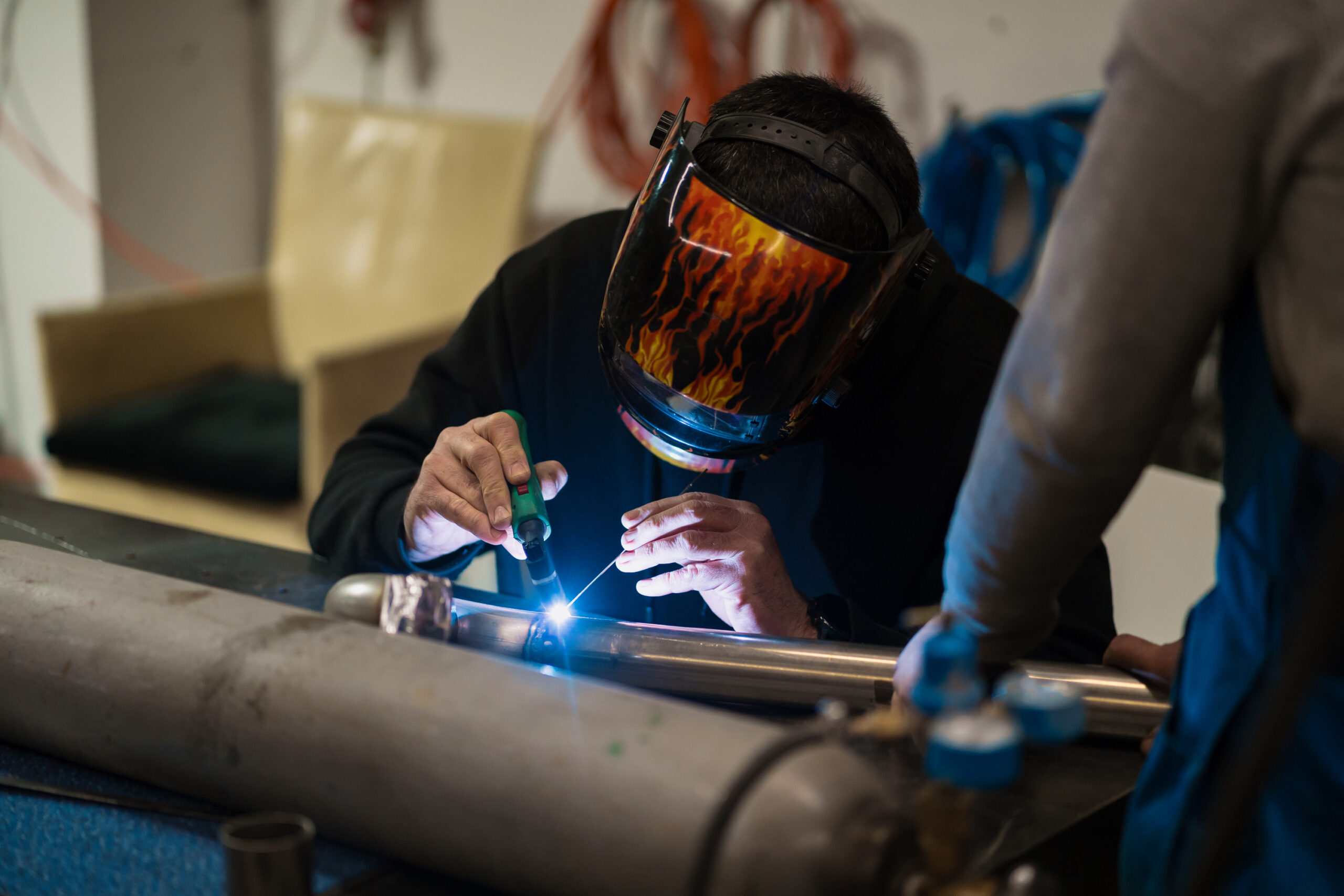
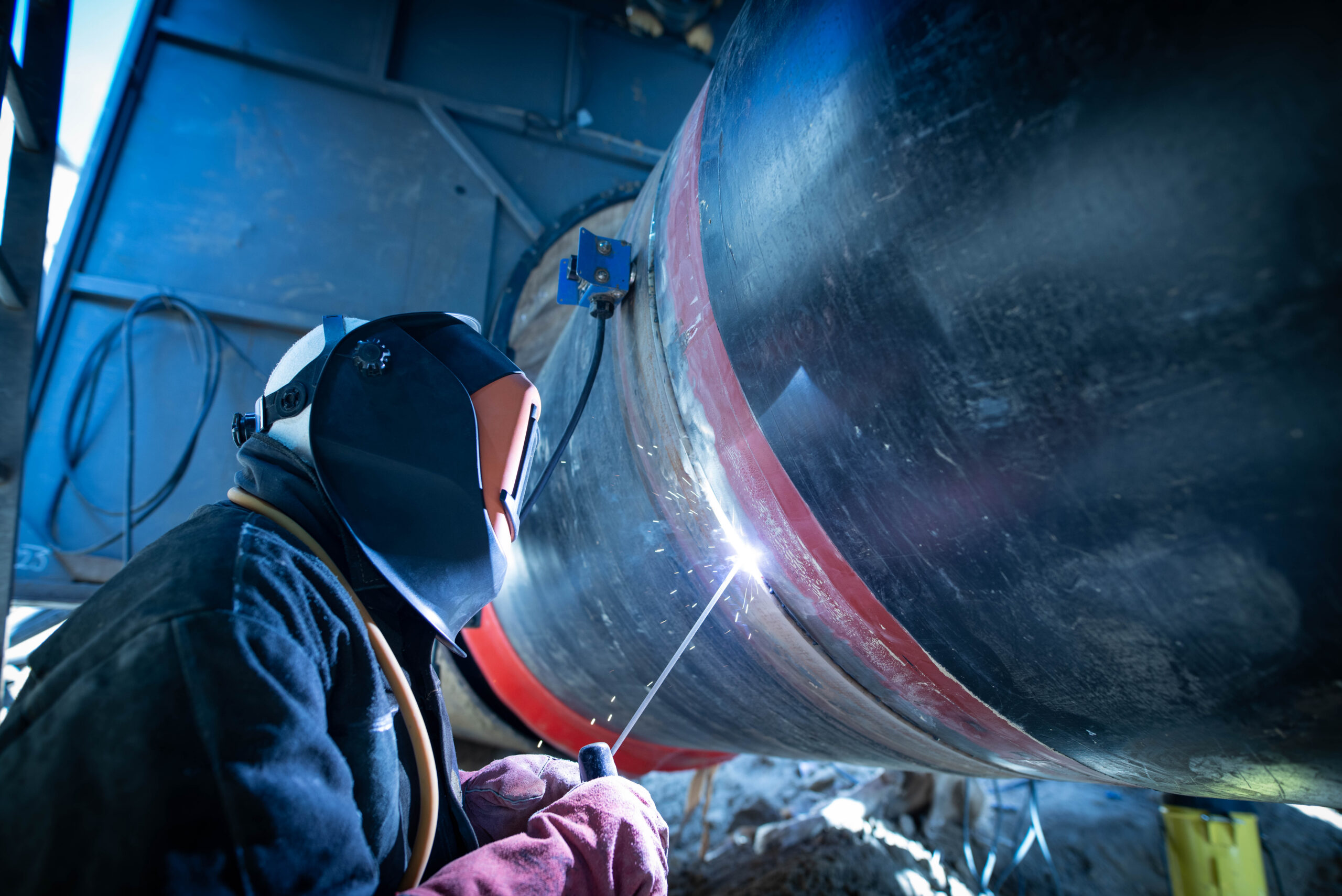
Field welding burns through the internal lining at every joint zone, leaving bare steel in direct contact with the service fluid. In a mild environment, this might take years to cause a visible problem. In an aggressive one, wall loss can begin within months of commissioning.
That is precisely where internal sleeve protection makes its impact. When specified and installed correctly, it does not just protect the joint. It extends the life of the entire pipeline.
The Weak Point That Coatings Cannot Solve on Their Own
Why Corrosion Always Starts at the Weld Joint
Internal coatings perform extremely well on the pipe body. Shop-applied linings are controlled, inspected, and reliable before the pipe ever leaves the facility. However, the problem is not the coating on the pipe. The problem is what happens to it when crews weld the pipe in the field.
Arc heat destroys the lining within the heat-affected zone on both sides of every joint. As a result, a band of bare carbon steel sits in the middle of an otherwise well-protected pipeline. Over a 30-year asset life with hundreds or thousands of these exposed zones, each joint becomes a potential failure point. In most cases, corrosion at those joints progresses long before in-line inspection detects it.
For a detailed look at how this process unfolds, the LPS guide on understanding internal corrosion in pipelines is worth reading first.
Why Robotic Coating Is Not a Complete Answer
The traditional approach to this problem relies on robotic or manual internal joint coating. After each weld, crews re-coat the joint zone from inside the pipe. On paper, this closes the gap. In practice, however, it introduces variables that are hard to control in a field environment.
Spray thickness varies from joint to joint. Surface preparation rarely matches shop conditions. Furthermore, curing depends on ambient temperature and humidity that shift from day to day. As a result, the quality of the finished coating depends heavily on how carefully the crew follows the procedure while working under schedule pressure.
These are not hypothetical risks. They are precisely why field joint coating failures remain one of the most frequent causes of early internal corrosion incidents. Internal sleeve protection removes this variability entirely by replacing a field-applied coating with a manufactured, tested component.
What Internal Sleeve Protection Actually Does
Protection That Goes in Before the Weld
The logic behind sleeve-based protection is straightforward. Rather than coating the joint zone after welding, crews insert the sleeve into the pipe end before assembling the joint. When the weld is complete, the sleeve already sits in position, covering the joint zone and sealing it against the service fluid.
This pre-weld approach eliminates the dependency on post-weld coating quality. There is no spray application, no curing time, and no inspector judgment call about coating thickness. Instead, the protection lives inside a manufactured component that crews install as part of the normal construction sequence.
A Continuous Internal Barrier from End to End
A properly installed sleeve bridges the gap between the internal coatings on the two pipe sections being joined. The lining covers the pipe body. The sleeve covers the joint. Together, they build a continuous internal barrier with no bare steel exposed to the service fluid anywhere along the pipeline.
This is what pipeline life extension looks like in practice. Without sleeve protection, a coated pipeline carries bare steel at every joint along its entire length. With internal sleeve protection at every joint, coverage runs genuinely continuous from one end of the pipeline to the other.
For more on how this compares to alternative approaches, the LPS article on insert pipe sleeve technologies for internally coated pipelines covers the options in detail.
The Life Extension Case: What It Means in Practice
Extending pipeline service life is not just a technical goal. It carries a direct financial impact.
A pipeline designed for a 30-year service life that starts experiencing weld-zone corrosion within the first ten years creates a fundamentally different cost profile from one that delivers its full designed life. Unplanned maintenance, ILI anomaly investigations, emergency repairs, and production shutdowns accumulate far faster than most operators plan for.
Internal sleeve protection shifts this picture in specific, measurable ways:
- Fewer ILI anomalies at weld zones drives down investigation and intervention costs across the asset life
- Reduced joint corrosion lowers the frequency of integrity management programs
- Longer intervals between pipeline interventions cut total lifecycle expenditure
- Operators can plan confidently for the full designed service life without accounting for early weld-zone failure
To explore the business case further, the LPS article on pipeline integrity with LPS permanent solutions for corrosion protection compares permanent internal protection against reactive maintenance across a full pipeline life.
Choosing the Right Internal Sleeve Protection
Not all sleeve systems deliver the same results. The right choice depends on lining type, pipe geometry, and service environment. Specifying a sleeve designed for a different application is one of the most common reasons sleeve-based protection underperforms in the field.
For ID-Coated and Thin-Lining Pipelines
Large-diameter pipelines with epoxy or other thin internal coatings represent the most common application for internal sleeve protection. The sleeve needs to bridge the uncoated weld zone, seal against the coated surface on either side, and install quickly enough to keep pace with the welding spread.
The FlexSleeve® is purpose-built for this application. It is lightweight and flexible, installs without specialized equipment, and works with normal pipe bore tolerances rather than requiring precise diameter matching. Its project record spans major water infrastructure, brine pipelines, and oil and gas gathering systems across multiple continents.
For upstream line pipe in aggressive produced fluid environments, the CCB® Sleeve brings 30 years of proven performance against the chlorides, CO2, and H2S that would rapidly attack an unprotected weld zone.
For Rubber and Polyurethane-Lined Pipelines
Rubber and polyurethane linings serve more aggressive service environments, so the sleeve carries more demanding work to do. The liner wall is thicker, the bore geometry is tighter, and the sealing requirement is more rigorous.
The SealSleeve™ for rubber and PU linings uses a pressure-activated sealing system built specifically for these conditions. As line pressure increases, the seal tightens rather than relaxing. In high-pressure, chemically aggressive service, this behavior delivers a meaningful advantage over mechanically compressed seals that can weaken over time.
For Thermoplastic-Lined Pipelines
Thermoplastic liners represent the highest-performance internal lining category and serve the most chemically demanding environments. They also present the most complex sleeve protection challenge because the liner wall is thick, the bore is tightly constrained, and chemical compatibility between the sleeve and liner materials must be verified for the specific service fluid.
The SealSleeve™ for thermoplastic liners meets this challenge directly, maintaining the chemical barrier at the joint zone that the liner provides on the pipe body. Full technical specifications are available on the SealSleeve for thermoplastic liners page.
For Bell and Spigot Joints
Not every pipeline uses butt-weld construction. Water transmission pipelines frequently use bell and spigot connections, and these joints carry their own internal protection requirements. The FlexSleeve Bell and Spigot brings sleeve-based internal protection to this joint type without requiring any change in construction method.
What Installation Looks Like on a Real Project
One of the most common questions from contractors is how sleeve installation affects the construction workflow. For well-designed sleeve systems, the answer is: very little.
The installation sequence is straightforward:
- Insert the sleeve into the pipe end before joint assembly
- Verify centering and alignment
- Assemble and weld the joint using standard procedures
- Confirm seal activation during post-weld pressure testing
- Document the installation and move to the next joint
The welding crew keeps their normal approach. No specialized equipment is required on site beyond standard construction tools. Most importantly, the protection integrates into the construction sequence rather than adding a separate operation after the weld is complete.
For a direct comparison with robotic coating on the same type of project, the FlexSleeve vs robotic or manual internal joint coatings resource from LPS is a useful reference before making a specification decision.
Real Projects, Real Results
Internal sleeve protection has been specified and installed on some of the most demanding pipeline projects in the world.
For example, the Brazil water infrastructure project showed how FlexSleeve delivers coating continuity and installation speed on a large municipal water transmission main. The pipeline met both schedule and quality requirements on time.
Similarly, the FlexSleeve installation in Chile and the critical South American pipeline project confirmed strong field performance under demanding conditions and tight construction schedules.
Beyond that, LPS technology earned selection for the world’s largest infrastructure project. This demonstrates that internal sleeve protection scales reliably to the biggest and most complex pipelines in the industry.
Questions to Ask Before Specifying a Sleeve System
Getting the specification right matters as much as choosing sleeve-based protection in the first place. Before committing to a system, operators and engineers should ask:
- Does the sleeve material match the chemical profile of the specific service fluid?
- Has the supplier tested the sleeve at the operating pressure and temperature of this pipeline?
- Does the sleeve design target this specific lining type, or does it adapt from a different application?
- How does the installation procedure fit into the planned welding sequence?
- What documentation and material traceability does the supplier provide for quality records?
According to the Pipeline and Hazardous Materials Safety Administration (PHMSA), pipeline operators must maintain integrity management programs that document how they control corrosion threats. A sleeve system with traceable certifications and verified installation records directly supports this compliance requirement.
LPS engineers engage with project teams during the design phase to work through these questions and make sure the sleeve fits the pipeline, not just the product catalogue
Conclusion
A coated pipeline is only as strong as its weakest point. Without internal sleeve protection at every weld joint, even the most carefully applied lining system leaves bare steel exposed at hundreds of locations along the line.
Internal sleeve protection closes that gap permanently. It transforms a pipeline with hundreds of vulnerable joints into one with a genuinely continuous internal barrier from end to end. That continuity is ultimately what turns a designed service life into an achieved one.
Contact the LPS team to discuss the right internal sleeve protection solution for your coated pipeline project.