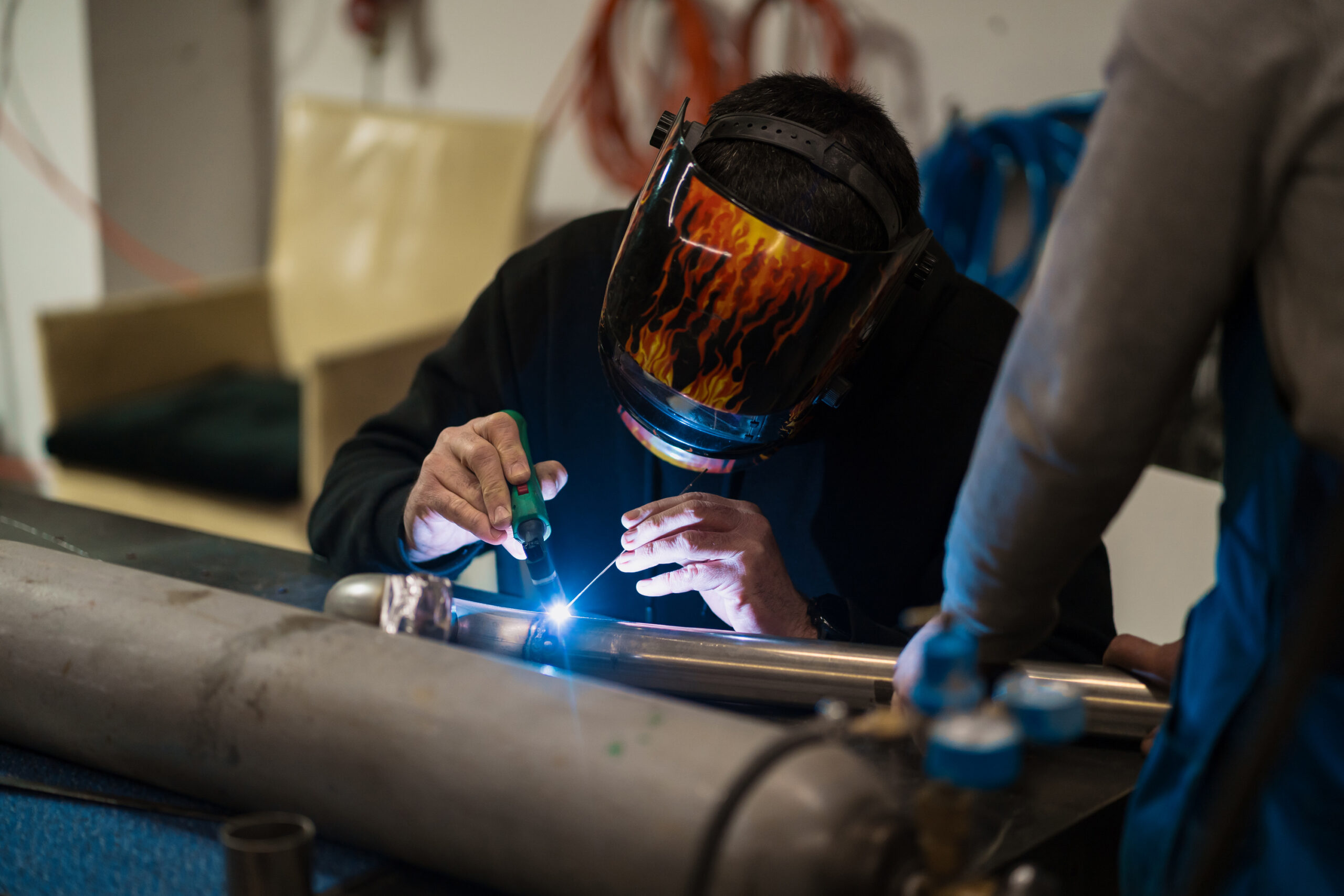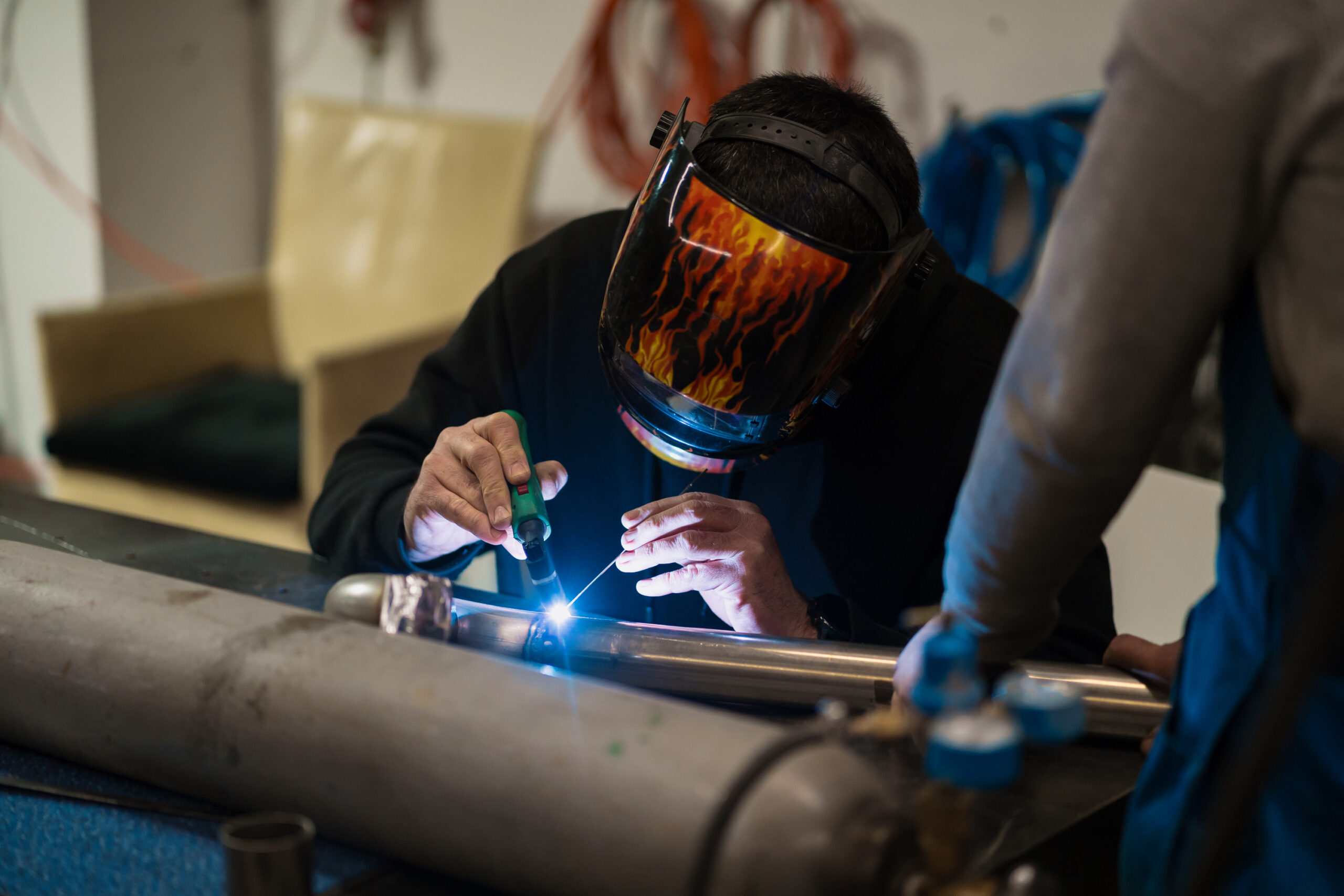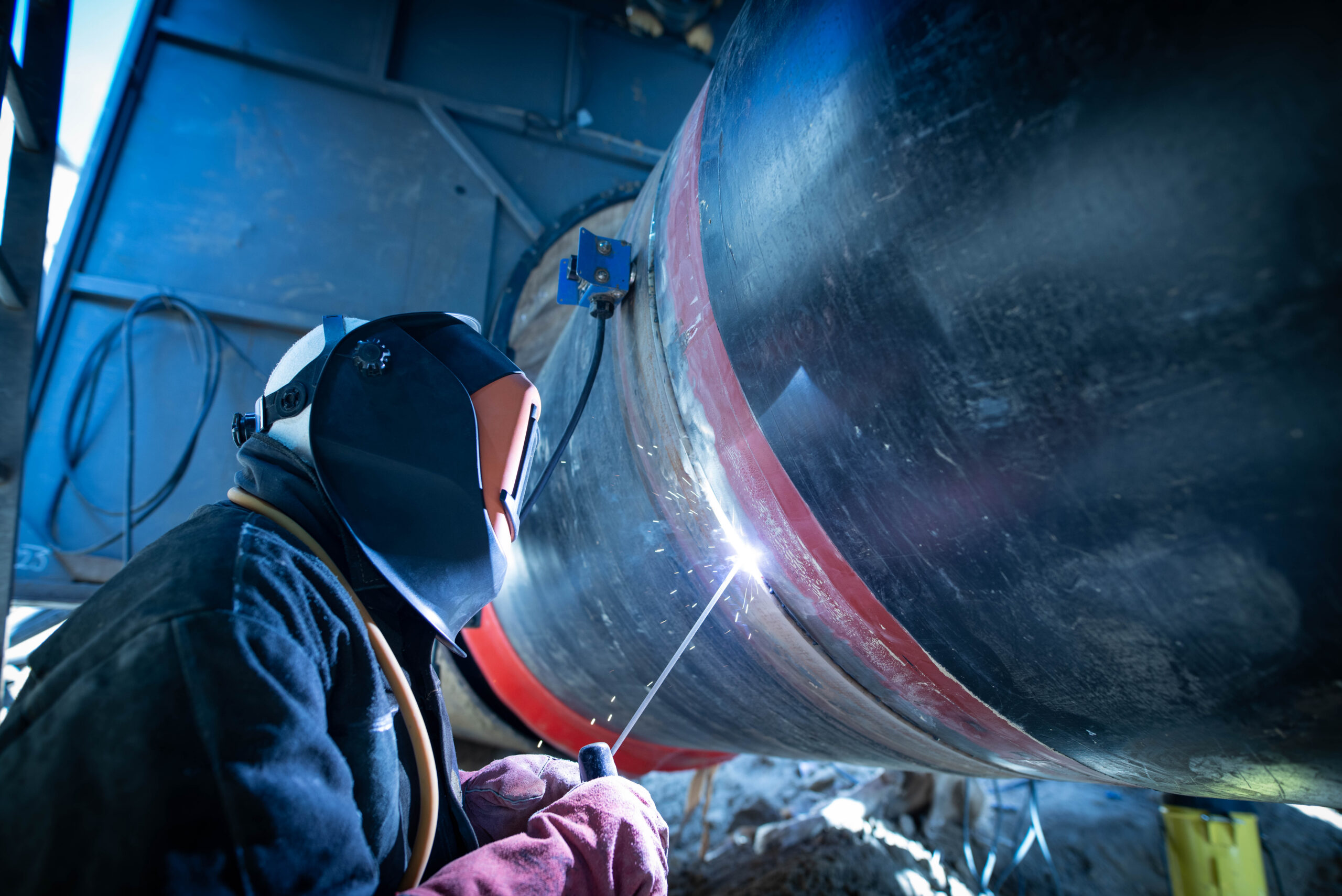
When a pipeline fails, investigators rarely point to the pipe body itself. More often, the failure originates at a weld joint, the one place where internal coatings and linings are burned away during construction, leaving bare steel exposed to corrosive or abrasive fluid. This is precisely why pipe sleeve installation standards exist, and why following them correctly is not optional.
Across the oil and gas, water, chemical, and energy transition sectors, the consequences of improper sleeve installation range from accelerated corrosion and unplanned shutdowns to catastrophic leaks and regulatory violations. For pipeline operators, EPC contractors, and engineers, understanding and adhering to these standards is fundamental to building systems that perform reliably for decades.
What Are Pipe Sleeve Installation Standards?
Pipe sleeve installation standards are a set of engineering requirements, procedures, and quality checkpoints that govern how internal weld joint sleeves are selected, positioned, sealed, and verified during pipeline construction. These standards address the full installation lifecycle, from pre-weld preparation and sleeve selection to post-weld pressure testing and inspection.
The goal is always consistent: ensure that the internal sleeve forms a durable, sealed barrier across the weld joint, preventing corrosive or erosive media from reaching exposed steel. When installation is done correctly and to standard, the sleeve effectively extends the internal lining across the joint, providing continuous protection along the entire pipeline bore.
These standards cover proper sleeve selection for the lining type, dimensional fit and clearance tolerances, pre-installation surface preparation, alignment and centering procedures, seal activation requirements, and non-destructive examination with quality documentation. Each of these areas must be addressed fully, not selectively.
Why Standards Matter: The Risk of Getting It Wrong
Deviating from established pipe sleeve installation standards introduces risk at every stage of a pipeline’s service life. If a sleeve is improperly seated or misaligned before welding, the seal may not activate correctly when the line is pressurized. This leaves a gap between the sleeve body and the internal pipe wall, a gap that corrosive fluid will exploit.
Over time, localised corrosion at the weld zone progresses undetected until it causes a leak or structural failure. In oil and gas upstream environments, where produced fluids carry hydrogen sulfide, chlorides, and CO₂, the degradation timeline can be surprisingly short. In water infrastructure, improper joints lead to tuberculation, contamination risks, and loss of hydraulic efficiency.
Beyond corrosion, there are serious compliance considerations. Regulatory frameworks in most jurisdictions require that pipeline integrity management programs document how weld joints are protected. A sleeve installation that does not meet recognized standards may invalidate integrity documentation, complicate in-line inspection results, and expose operators to significant liability.
Core Standards and Industry References
Pipe sleeve installation standards do not exist in isolation. They are informed by and must align with broader pipeline codes and material standards that engineers and contractors are already working within.
ASME B31.4 and B31.8
ASME B31.4 and B31.8 govern liquid and gas transmission pipelines in the United States, defining requirements for materials, fabrication, and examination of pipeline systems, including internally lined systems.
NACE / AMPP Standards
The Association for Materials Protection and Performance (AMPP) publishes guidance on corrosion prevention practices relevant to internal linings and joint protection. Internal corrosion management guidance increasingly incorporates sleeve-based joint protection as a recognized approach.
AWWA Standards
AWWA C222 and AWWA C210 cover polyurethane and epoxy lining applications for water transmission pipelines. Sleeve installation at joints must be fully compatible with these lining requirements to maintain system integrity.
API Standards
For upstream oil and gas applications, API standards inform material selection, welding qualification, and integrity management practices, all areas that sleeve systems must actively support.
Proper pipe sleeve installation standards are designed to work within these frameworks, giving contractors and operators procedures that satisfy both the mechanical requirements of sleeve performance and the documentation requirements of regulatory compliance.
The Installation Process: What Standards Actually Require
Understanding what proper installation looks like in practice helps illustrate why every step matters and why none of them can be skipped.
Pre-Installation Planning and Sleeve Selection
Standards begin before the sleeve ever touches the pipe. Engineers must select a sleeve system compatible with the internal lining material. The pipe diameter and wall thickness, the service environment, and the welding procedure. Mismatching a sleeve to a lining system, for example, using a sleeve designed for epoxy coatings in a thermoplastic-lined pipe, results in dimensional incompatibilities or inadequate sealing geometry that cannot be corrected in the field.
Lined Pipe Systems offers purpose-designed sleeve products for each lining category. The FlexSleeve® addresses ID-coated and thin-lining applications, the CCB® Sleeve is built for upstream line pipe, and the SealSleeve™ is engineered for rubber, polyurethane, and thermoplastic liner systems. Matching the right sleeve to the right application is the first act of standards compliance.
Surface Preparation
Before sleeve insertion, the internal pipe surface at the joint area must be clean and free of contamination. Standards require that coating overspray, mill scale, moisture, and debris be removed. From the zone where the sleeve will seat and seal. Failure to prepare the surface properly can prevent the seal from forming correctly. Regardless of how well every other step in the installation is executed.
Sleeve Insertion and Alignment
The sleeve must be centred across the weld joint within specified tolerances. Misalignment, even a fraction of an inch, can shift the sealing elements away from the joint zone, leaving a portion of the weld zone unprotected. Standards specify how to verify centring through measurement markings or visual inspection before lineup and welding proceed. There is no shortcut that produces an equivalent result.
Welding and Heat Management
One of the most critical points in pipe sleeve installation standards is managing the relationship between sleeve performance and the welding process. The sleeve must be designed to withstand the thermal loads associated with the field weld without degrading its sealing or structural elements. Standards define acceptable welding procedures and inter-pass temperatures to ensure that the sleeve is not compromised during joint completion.
Pressure Activation and Verification
Many sleeve designs are pressure-activated, meaning their seals tighten as operating pressure increases. Standards require that post-weld hydrostatic or pneumatic testing confirm that the sleeve seal is functioning correctly before the line is placed in service. Any failure to achieve a proper seal during testing must be identified and resolved, not assumed to be within tolerance.
Documentation and Quality Records
Standards are not just about physical installation. They require a complete documentation trail. Traceability records for sleeve materials, installer qualifications, procedure specifications, and inspection results must be maintained. This documentation supports integrity management programs and provides evidence of compliance during regulatory audits. A system that is physically well-installed but poorly documented does not meet the full requirement.
Common Installation Failures and How to Avoid Them
Despite clear standards, installation failures do occur. Understanding where they originate is the first step toward preventing them.
Improper Sleeve Centering
This is arguably the most frequent error on the job site. When contractors work under schedule pressure, alignment verification steps get skipped or rushed. The result is a sleeve positioned off-center, with sealing elements that do not fully cover the weld zone. Rigorous adherence to centering verification as a mandatory hold point eliminates this risk entirely.
Incompatible Sleeve Selection
Specifying a sleeve designed for a different lining system or pipe geometry leads to a compromised installation from the start. And fit problems that cannot be corrected once construction is underway. Early engagement between the engineering team and the sleeve supplier during the design phase is what prevents these errors before they reach the field.
Inadequate Surface Preparation
Contamination at the sealing interface is a common cause of seal degradation that often goes undetected until the pipeline is already in service. Enforcing cleanliness requirements as a quality hold point. Not as an afterthought, it is essential to achieving a reliable seal at every joint.
Skipping Post-Weld Verification
Some contractors treat pressure testing as a formality rather than a genuine verification step. Standards require that test results be documented and any anomalies investigated. Treating this step with the seriousness it deserves is what separates a properly installed system from one that is merely assumed to be correct.
How LPS Sleeve Systems Support Standards Compliance
Lined Pipe Systems has built its product line around the operational realities of pipeline construction. LPS sleeve systems are designed not only to protect pipeline joints. But to make standards compliance achievable within the constraints of real projects operating on real schedules.
The FlexSleeve® is lightweight and flexible, making it fast to install and compatible with standard lineup clamp and welding procedures. Following the installation standard does not require exotic equipment or highly specialised labour. It can be accomplished by the same crews performing standard pipe construction.
The SealSleeve™ systems are engineered for thermoplastic liner and rubber or polyurethane applications, addressing the specific dimensional and sealing challenges those lining types present. Each sleeve family comes with documented installation procedures that align with applicable codes and serve as the foundation for a contractor’s quality plan.
LPS engineers work directly with operators and EPC teams during the design and pre-construction phases. Helping specify the correct sleeve system, develop compatible welding procedures, and establish the documentation framework required for regulatory compliance. This upstream engagement is what makes reliable, standards-compliant installation achievable at scale.
The Long-Term Value of Getting Installation Right
Proper pipe sleeve installation is an investment with a measurable return. Pipelines where joints are correctly protected with standards-compliant sleeves demonstrate significant improvements. Longer service life, lower inspection-driven maintenance costs, and fewer unplanned outages. In-line inspection results are cleaner, with fewer anomalies to investigate at weld zones. Integrity management programs are simpler to administer when weld joint protection is reliable and fully documented.
For operators of long-distance transmission lines, water infrastructure, or energy-transition pipelines carrying hydrogen or CO₂, the stakes are especially high. These assets are designed to operate for 30, 40, or 50 years. The decisions made during construction, including whether pipe sleeve installation standards are followed rigorously. Determine whether that service life is actually achievable.
Conclusion
Pipe sleeve installation standards exist because the weld joint is the most vulnerable point in any internally lined pipeline system. Proper adherence to these standards, from sleeve selection and surface preparation through alignment, welding, seal verification, and documentation, is what transforms a quality product into a reliably protected system.
At Lined Pipe Systems, our sleeve technologies and engineering support are designed to make standards compliance practical without sacrificing construction efficiency. Whether you are working on an upstream oil and gas gathering system. A municipal water transmission main, or a next-generation hydrogen pipeline, proper sleeve installation is the foundation of long-term performance.