Pipelines are the backbone of global energy and water infrastructure. Their performance depends not just on the materials used but also on the solutions applied to maintain integrity. Among these solutions, Type A and Type B steel sleeves stand out as trusted methods for reinforcing and protecting pipelines.
At Lined Pipe Systems, we recognize that sleeves are no longer just about repair. They are about safeguarding weld zones, extending pipeline lifespans, and ensuring compliance with industry standards. Understanding the difference between Type A and Type B sleeves is crucial for operators, engineers, and EPC contractors making long-term decisions.
What Are Steel Sleeves?
Steel sleeves are structural reinforcements that surround sections of pipelines vulnerable to damage or corrosion. Their role is to restore strength, provide containment, and in some cases, stop leaks.
Over the years, sleeves have evolved from being temporary fixes to being engineered components that meet strict pipeline codes. This transformation has made them a key part of modern pipeline integrity management.
When we compare Type A and Type B steel sleeves, the distinction lies in their applications, installation methods, and compliance with international standards.
Type A Steel Sleeves Explained
Type A sleeves are non-pressure containing sleeves. They are welded directly onto the exterior of a pipeline to reinforce areas where the pipe wall has lost strength but has not yet failed.
These sleeves are typically used in cases of external corrosion, dents, or mechanical damage where the pipeline remains fit for service but requires reinforcement to meet safety margins.
By enclosing the weakened section, Type A sleeves restore the structural reliability of the pipe without interrupting service. Their design is governed by recognized industry standards, ensuring that the repaired section meets the same strength requirements as the original pipeline.
Type B Steel Sleeves Explained
Type B sleeves go one step further. They are pressure-containing sleeves that can actually stop a leak. Unlike Type A, these sleeves are equipped with circumferential welds at each end, which create a sealed chamber around the damaged section.
They are especially valuable in situations where a pipeline has developed through-wall defects. Instead of shutting down operations or cutting out sections of pipe, operators can install a Type B sleeve to contain the leak and restore pressure integrity.
This makes Type B sleeves highly relevant for high-pressure oil and gas pipelines where downtime is costly and operational safety is paramount.
Applications in Modern Pipelines
The applications of Type A and Type B steel sleeves extend far beyond emergency situations. They are now integrated into planned maintenance programs as preventive solutions.
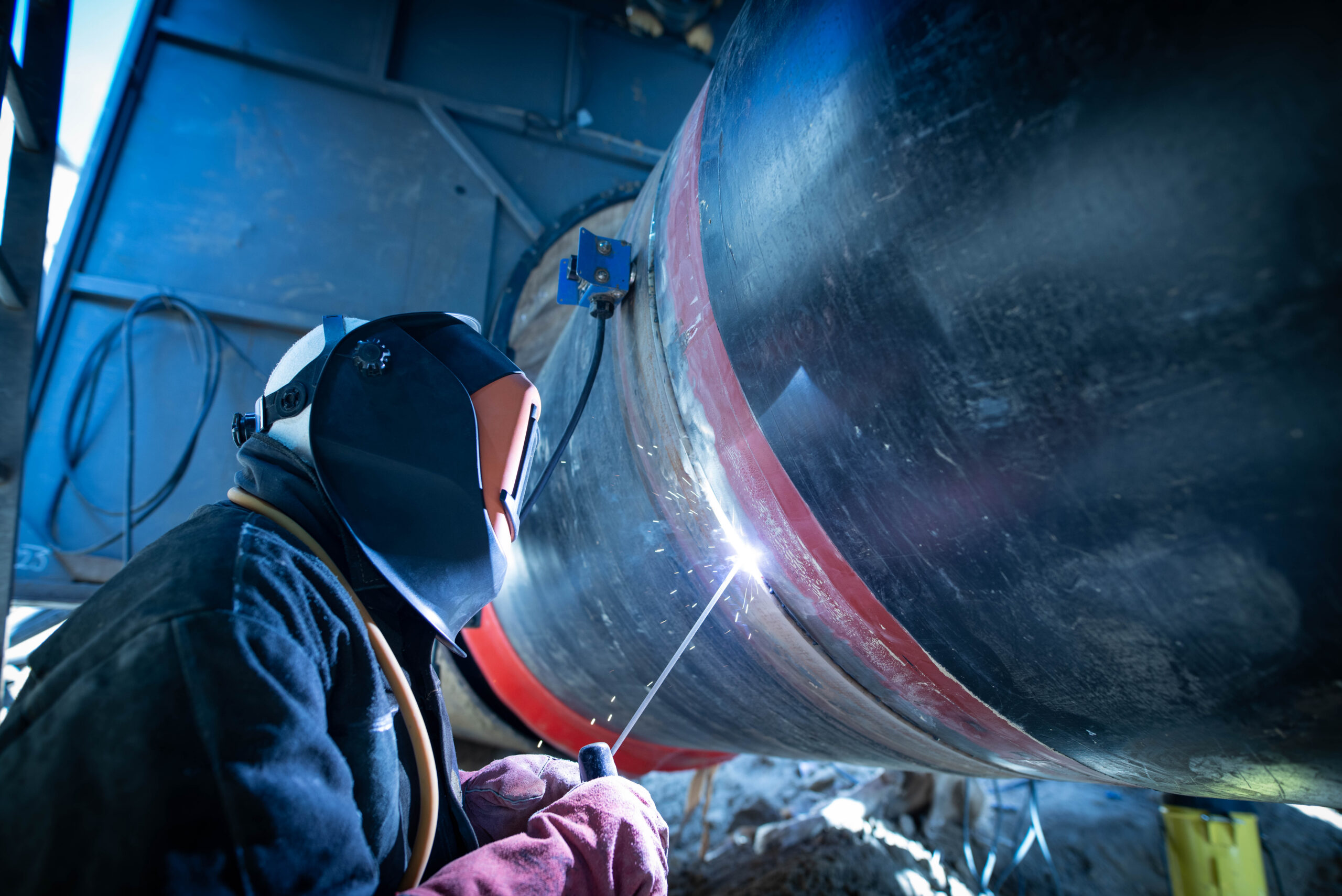
In onshore pipelines, sleeves are often applied in areas susceptible to corrosion from soil stress or mechanical interference. Offshore, they are used in tie-in operations, where weld zones are vulnerable to saltwater and high-pressure environments.
At Lined Pipe Systems, we have seen how sleeves complement technologies such as internal pipe sleeves and FlexSleeve®. While internal sleeves protect the weld zone from inside the pipe, external sleeves provide structural reinforcement from the outside, creating a comprehensive protection system.
Industry Standards and Compliance
Sleeve applications are governed by industry standards such as ASME, API, and ISO. These codes define how sleeves must be designed, welded, and tested to ensure they provide long-term safety and reliability.
For Type A sleeves, standards emphasize maintaining structural reinforcement without pressure containment. For Type B, additional requirements ensure that welds are sound and capable of sealing leaks under full operating pressure.
Meeting these standards is not optional. It ensures that repaired pipelines remain compliant with international safety regulations and continue to operate reliably under demanding conditions.
Comparing Type A and Type B Steel Sleeves
The choice between Type A and Type B sleeves depends on the condition of the pipeline and the operator’s objectives.
Type A sleeves are preventive. They reinforce weakened sections before leaks occur, making them cost-effective for pipelines that are still structurally sound.
Type B sleeves are corrective. They provide immediate solutions when leaks or through-wall defects are present, ensuring that pipelines can remain in service without costly shutdowns.
Together, these two sleeve types form a complete toolkit for pipeline operators, covering both proactive maintenance and emergency response.
Why Operators Prefer Sleeves Over Traditional Repairs
Traditional repair methods, such as cut-and-replace or weld overlay, are often slow, expensive, and disruptive. They require shutting down operations, mobilizing heavy equipment, and creating significant downtime.
By comparison, sleeves can be installed quickly with minimal interruption. They restore pipeline integrity while allowing flow to continue, reducing both operational and financial risks.
In many projects, sleeves have also proven more reliable than robotic field joint coating, which can struggle in challenging environments. This is why pipeline sleeves are now considered an integral part of pipeline asset management strategies.
The Role of Lined Pipe Systems
At Lined Pipe Systems, we specialize in advanced pipeline protection technologies that go beyond traditional repairs. Our solutions, including FlexSleeve®, CCB® Sleeve, and internal pipe sleeves, are designed to address the weaknesses of conventional coatings and extend the service life of pipelines worldwide.
We see Type A and Type B steel sleeves as critical tools in this mission. They allow us to provide operators with practical, compliant, and long-lasting repair options that match the demands of modern infrastructure.
Future Outlook for Steel Sleeves
As pipelines adapt to new energy challenges, including hydrogen transport and carbon capture projects, the role of sleeves will continue to expand. Operators will need solutions that are versatile, compliant with evolving standards, and capable of handling extreme conditions.
Sleeves will not only remain repair tools but also evolve as preventive solutions integrated into new pipeline construction. Their ability to combine structural reinforcement with corrosion protection makes them indispensable for the future of energy infrastructure.
Conclusion
The comparison between Type A and Type B steel sleeves highlights more than just technical differences. It reflects the broader evolution of pipeline integrity management, from reactive fixes to proactive, standards-driven solutions.
Type A sleeves strengthen pipelines before leaks occur. Type B sleeves provide pressure containment when failures happen. Together, they ensure that pipelines remain safe, efficient, and compliant.
At Lined Pipe Systems, we continue to refine these solutions, delivering advanced technologies that protect weld zones, extend pipeline lifespans, and support the global transition to more resilient energy systems.