Hydrogen and carbon dioxide transport pipelines are gaining importance as industries transition toward cleaner energy and carbon management strategies. These systems operate under demanding conditions, requiring solutions that ensure long-term reliability and safety. Steel pipe sleeves are playing a central role in strengthening pipeline integrity, protecting weld zones, and supporting infrastructure designed for hydrogen and CO₂ transport.
Why Hydrogen and CO₂ Pipelines Need Enhanced Protection
Pipelines transporting hydrogen and CO₂ face challenges beyond those found in traditional oil and gas applications. Hydrogen is a small molecule capable of permeating steel and causing embrittlement over time. CO₂, especially in dense phase, can be highly corrosive when combined with impurities such as water. Together, these factors accelerate degradation if protective measures are not implemented.
Steel pipe sleeves are engineered to provide an additional barrier against these risks. They protect internal weld zones where coatings or linings are burned away during welding, preventing localized corrosion and leak formation. By reinforcing the most vulnerable areas, sleeves extend pipeline service life and reduce the likelihood of failures.
The Role of Sleeves in Weld Zone Protection
Weakness at Weld Joints
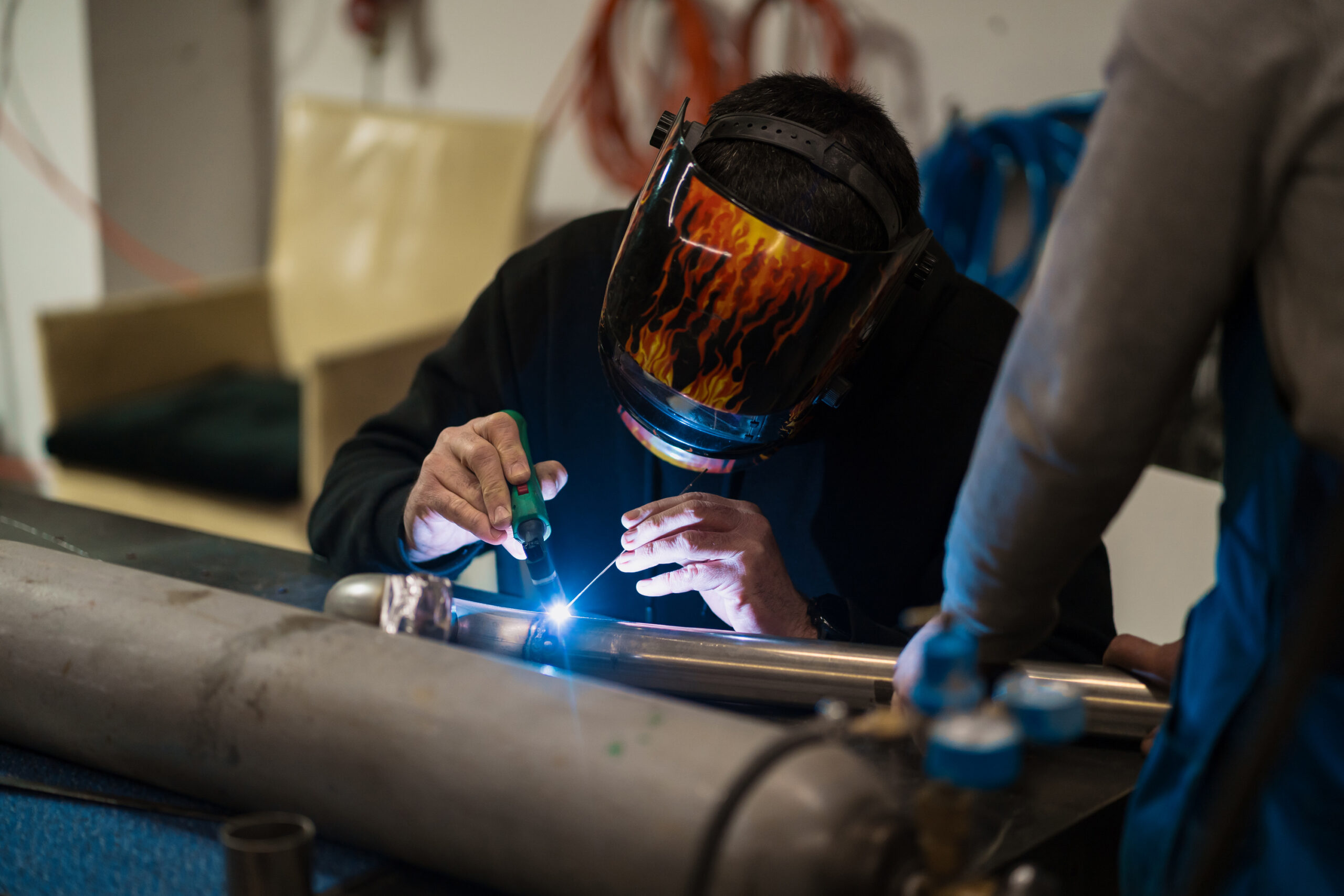
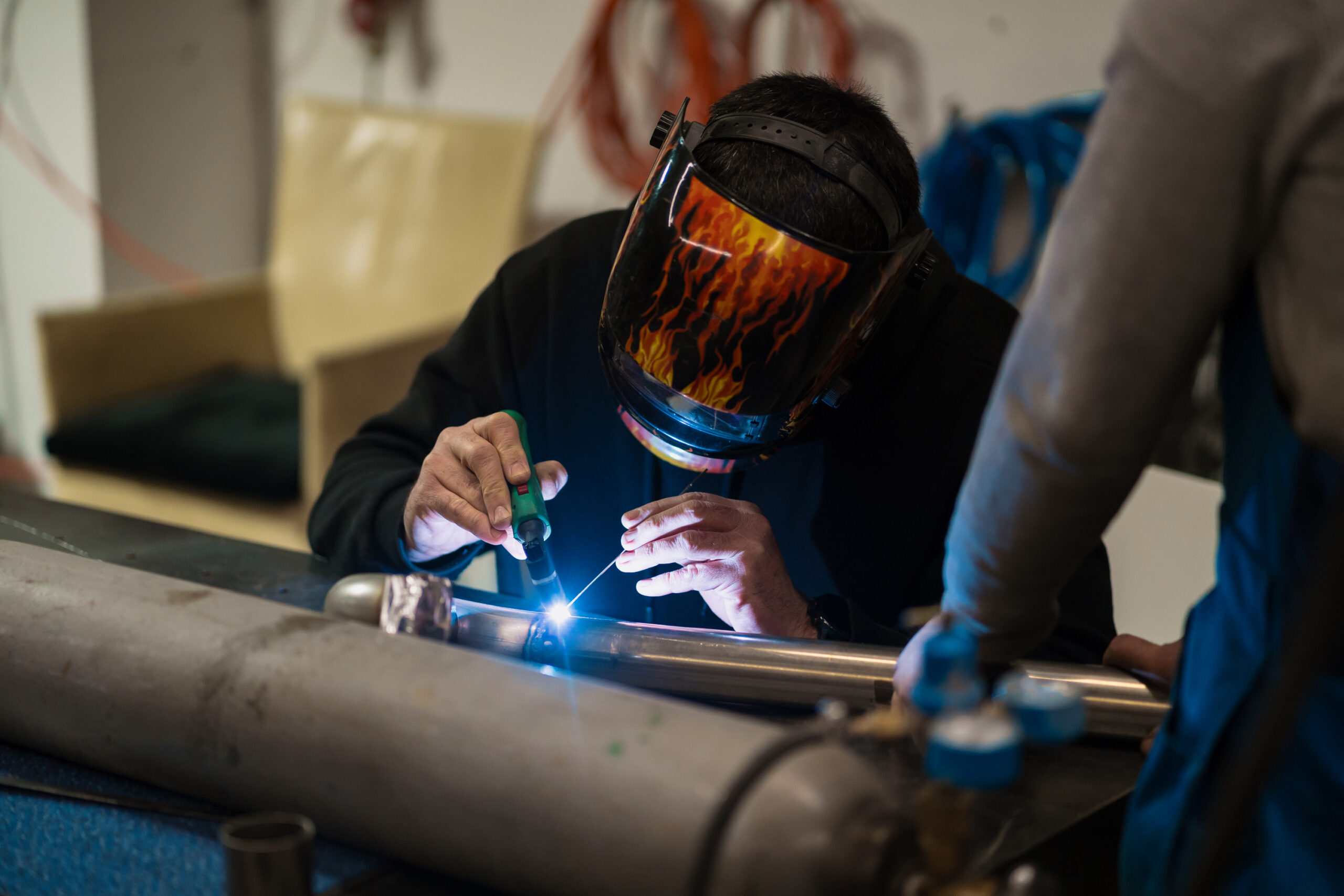
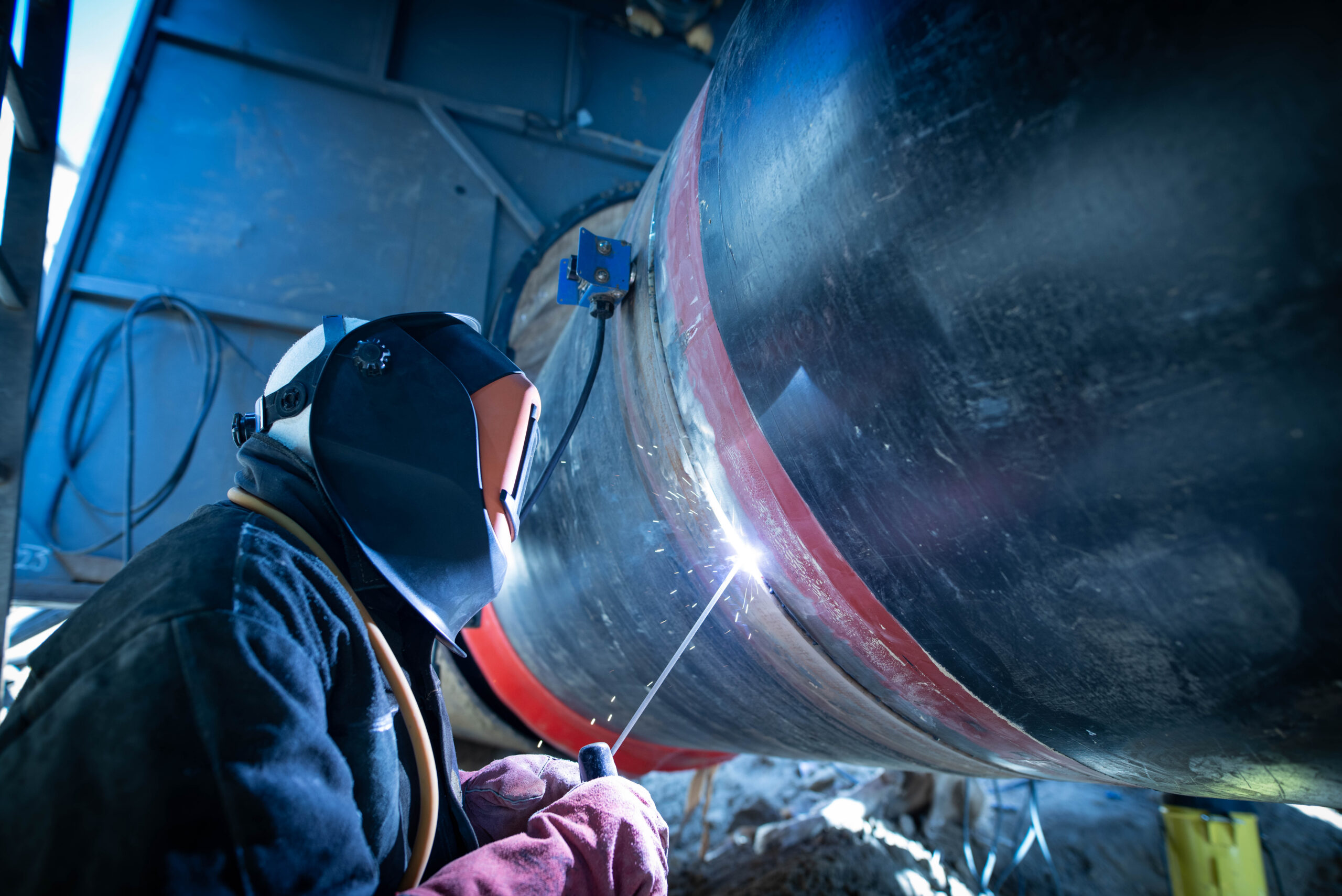
Weld zones are always a focus point for pipeline engineers. During welding, internal coatings and linings are destroyed, leaving bare steel exposed to corrosive fluids. This is especially problematic in hydrogen and CO₂ transport where integrity must be maintained under strict regulatory and safety frameworks.
How Sleeves Solve the Problem
Steel pipe sleeves act as internal shields for these vulnerable zones. Installed prior to welding, they provide permanent isolation of the joint area. Once the line is pressurized, the sleeve seals tighten, preventing hydrogen permeation or CO₂ corrosion from reaching exposed steel surfaces. Unlike temporary coatings or robotic internal sprays, sleeves offer a reliable long-term solution.
Steel Pipe Sleeves in Hydrogen Infrastructure
Addressing Hydrogen Embrittlement
One of the most significant challenges in hydrogen pipelines is material degradation. Hydrogen molecules diffuse into steel microstructures, reducing ductility and toughness. Weld zones, already heat-affected, are especially prone to this issue.
By using steel pipe sleeves, the weld zone is effectively isolated from direct hydrogen exposure. This reduces the risk of embrittlement and helps maintain mechanical strength even under prolonged hydrogen service. For hydrogen-ready pipelines, sleeves are now considered a vital safeguard.
Supporting Hydrogen-Ready Design Standards
Global energy transition plans are leading to stricter standards for hydrogen transport pipelines. Operators and EPC contractors must prove that their systems are hydrogen-ready. Incorporating steel pipe sleeves into weld joint design demonstrates compliance with evolving regulations while improving overall system reliability.
Steel Pipe Sleeves in CO₂ Transport Pipelines
Corrosion Risks in CO₂ Pipelines
Carbon dioxide transport infrastructure plays a central role in carbon capture and storage projects. However, CO₂ pipelines face unique corrosion challenges, particularly when moisture is present. The formation of carbonic acid can rapidly degrade unprotected steel surfaces, with weld zones being the most vulnerable.
Sleeves as a Preventive Solution
Steel sleeves provide a robust internal lining at the joint, ensuring that corrosive CO₂ streams cannot attack exposed weld zones. This increases confidence in long-term system performance, an essential factor in CCS projects where safety and reliability are non-negotiable.
Design Considerations for Steel Pipe Sleeves
Pressure Containment
Hydrogen and CO₂ pipelines often operate at high pressures to maximize transport efficiency. Steel pipe sleeves must therefore maintain sealing integrity under demanding pressure cycles. Advanced sleeve systems use pressure-activated seals that improve performance as line pressure increases.
Compatibility with Linings
Many pipelines designed for hydrogen or CO₂ transport also employ internal coatings or polymer linings. Sleeves must be fully compatible with these systems to maintain a continuous barrier against corrosion. Tailored sleeve solutions ensure smooth transitions and eliminate weak points.
Installation Efficiency
Construction teams working on hydrogen and CO₂ pipelines often face strict timelines. Modern sleeve systems support quick installation and integrate seamlessly with automatic lineup clamps and welding procedures. As a result, they minimize delays and keep projects moving efficiently. In contrast, robotic internal coating systems often slow down construction and disrupt workflow.
Advancing Energy Transition with Sleeves
Steel pipe sleeves are more than just protective inserts. They are enablers of modern energy transition infrastructure. As governments and industries invest in hydrogen and CO₂ networks, the demand for durable, low-maintenance solutions is rising. Sleeves meet these requirements by addressing the weakest points in the pipeline system and ensuring safe operation for decades.
Future Outlook for Sleeve Technology
The role of sleeves is expected to expand as hydrogen-ready and CCS pipeline networks grow globally. Innovations in sleeve technology, such as improved sealing materials and advanced alloys, are already underway. These developments will further enhance resistance to hydrogen embrittlement, CO₂ corrosion, and high-pressure cycling.
Pipeline operators and EPCs will increasingly view steel pipe sleeves not only as protection but as essential components of future-proof design strategies. Their integration will likely become standard practice in next-generation transport systems.
Conclusion
Steel pipe sleeves are emerging as a cornerstone technology for hydrogen and CO₂ pipeline infrastructure. They protect weld zones from hydrogen embrittlement and CO₂ corrosion, ensure compatibility with internal linings, and support efficient construction without delays. For EPC contractors, project managers, and operators, adopting sleeve technology is no longer an optional choice but a strategic necessity for ensuring safety and compliance in critical energy transition projects.
By integrating sleeves into new builds and retrofits, the industry gains confidence in pipeline performance, paving the way for safer and more sustainable transport of hydrogen and carbon dioxide.