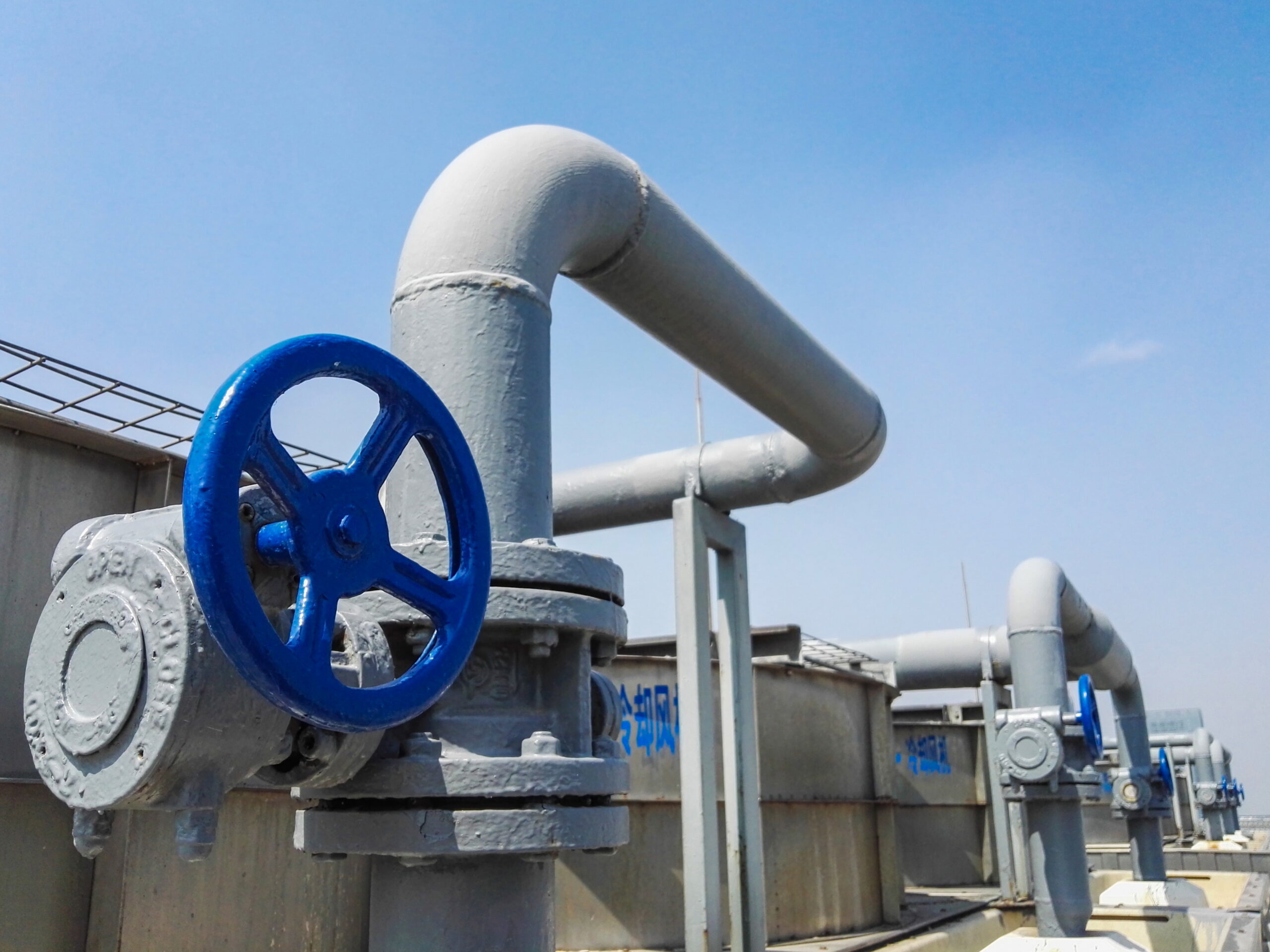
Pipelines remain the lifelines of modern infrastructure, moving oil, gas, water, and industrial fluids across continents. Yet, as with any critical asset, their reliability depends on protecting them from corrosion, abrasion, and mechanical damage. Over time, pipeline sleeves have transformed from being quick repair solutions to advanced technologies that ensure long-term performance.
At Lined Pipe Systems, we have witnessed this evolution firsthand. What started as simple sleeves for emergencies has become a sophisticated engineering solution for corrosion prevention, high-pressure resistance, and long-term pipeline integrity.
Early Days of Pipeline Sleeves
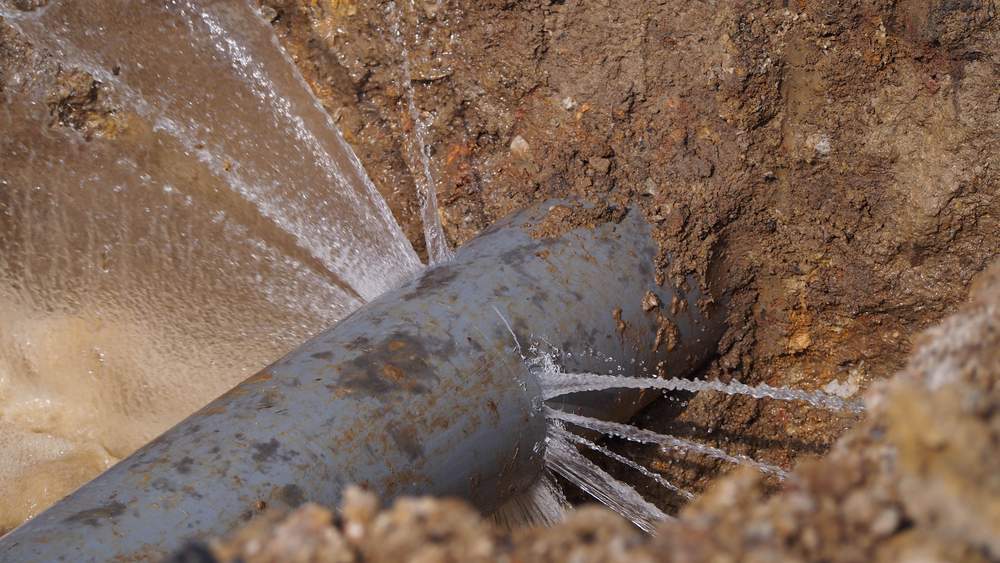
In the early years, sleeves were developed as a way to contain damage after it had already occurred. If a section of pipe corroded or developed a leak, a steel sleeve was welded around the weak point to restore strength.
These early applications were reactive in nature. They solved immediate problems but did little to prevent recurrence. Pipelines continued to face corrosion inside the weld zone, which was often left unprotected.
This stage set the foundation for innovation. The industry realized that sleeves could be more than temporary patches.
The Shift Toward Preventive Protection
In the early years, engineers developed sleeves to contain damage after it occurred. When a section of pipe corroded or developed a leak, they welded a steel sleeve around the weak point to restore strength.
These early applications remained reactive. They addressed immediate problems but did little to prevent them from returning. Pipelines continued to face corrosion inside the weld zone, as crews often left it unprotected.
This stage laid the foundation for innovation. The industry recognized that sleeves could serve as more than temporary patches.
Advanced Materials and Technology
As pipeline pressures increased and environments became harsher, sleeves had to evolve. Traditional steel was not enough for high-temperature or abrasive conditions. This led to the rise of advanced designs such as FlexSleeve® and CCB® Sleeve, both developed by Lined Pipe Systems.
FlexSleeve® brought flexibility and sealing technology that kept weld zones protected without slowing down construction. CCB® Sleeve offered specific solutions for thin linings, ensuring that protective coatings were not compromised during welding.
These innovations showed how sleeves could not only repair but actively extend the lifespan of entire systems.
Meeting Offshore and Harsh Environment Demands
Offshore pipelines introduced unique challenges. Saltwater, high pressure, and difficult tie-in operations created conditions where traditional coatings often failed. Internal sleeves emerged as reliable options because they sealed the bare steel inside the joint, which is most vulnerable to corrosion.
In these environments, sleeves provided assurance where failure was not an option. They allowed operators to avoid costly downtime and repairs while maintaining compliance with international standards.
The role of sleeves in offshore tie-in operations continues to grow as energy projects expand into deeper and more challenging waters.
Integration with Modern Pipeline Projects
Sleeves today are no longer seen as afterthoughts. They are planned into projects from the start, enabling faster modular construction and reducing dependence on robotic field joint coating.
Robotic coating often delays projects due to complexity and limited mobility in the field. In contrast, sleeves are quick to install and allow welding to proceed without interruption. This efficiency is critical for large EPC contractors managing time-sensitive pipeline builds.
By cutting delays and reducing long-term risks, sleeves have become central to project planning, not just repair strategies.
Sleeves in Carbon Capture and Hydrogen Infrastructure
The pipeline industry is shifting toward future-ready systems that can handle carbon capture and storage (CCS) projects and hydrogen transport. These new applications demand even greater resistance to corrosion, temperature, and pressure.
Sleeves are proving essential in this transition. They shield vulnerable joints and ensure that pipelines designed for traditional hydrocarbons can adapt to carry CO₂ and hydrogen safely. This adaptability places sleeves at the forefront of sustainable pipeline innovation.
For example, Lined Pipe Systems is developing solutions that directly address these challenges, supporting operators who are preparing infrastructure for decades of new energy demands.
The Future of Pipeline Sleeves
Looking ahead, the evolution of pipeline sleeves is far from over. We are seeing advancements in materials that resist chemical attack, sleeves compatible with automated welding systems, and designs tailored to both offshore and onshore environments.
Sleeves are no longer a backup plan. They are becoming the standard for protecting weld joints, preventing corrosion, and extending pipeline service life.
With continued investment in research and technology, pipeline sleeves will remain at the heart of integrity management strategies worldwide.
Conclusion
The journey of pipeline sleeves reflects the larger story of the pipeline industry itself: from reactive fixes to proactive, technology-driven solutions. What once started as emergency repairs has become a foundation for safer, faster, and more reliable pipeline construction.
At Lined Pipe Systems, we are proud to lead this transformation with solutions like FlexSleeve® and CCB® Sleeve, ensuring that operators have access to advanced protection systems that keep pipelines operating at peak performance.
The evolution is ongoing, and sleeves will continue to play a vital role in meeting tomorrow’s infrastructure challenges.