In high-pressure pipeline systems, durability, sealing capability, and structural integrity are non-negotiable. Steel pipe sleeves, especially Type B sleeves, have become the go-to solution for reinforcing damaged pipe sections and ensuring continued safe operation under extreme conditions. But not all sleeves are created equal, and proper design considerations must be accounted for to prevent long-term failures.
This article explores the key design factors to consider when specifying or installing high-pressure steel sleeves, with a focus on compliance, safety, and long-term performance.
The Role of Steel Sleeves in High-Pressure Systems
Steel sleeves are primarily used to restore the structural strength of a pipeline where defects such as corrosion, dents, or mechanical damage have occurred. In high-pressure applications, sleeves provide critical reinforcement that prevents failure due to internal pressure or external forces. Type B sleeves, in particular, are fully welded around the pipe and are capable of containing the internal pressure of the line, making them suitable for permanent pressure-retaining repairs.
These sleeves are governed by strict engineering codes, including ASME B31.4, B31.8, and API 1104, which outline the requirements for materials, welding, inspection, and testing.
Material Selection and Wall Thickness
The performance of high-pressure steel sleeves begins with selecting the appropriate material grade. Typically, sleeves are made from carbon steel plates with mechanical properties that match or exceed those of the host pipe. Factors such as yield strength, toughness, and corrosion resistance all influence the sleeve’s ability to withstand pressure and environmental conditions.
Wall thickness must be calculated based on the design pressure, pipeline diameter, and level of damage to the existing pipe. Over-designing the sleeve can result in unnecessary weight and weld stress, while under-designing may compromise safety.
Welding and Pressure Containment
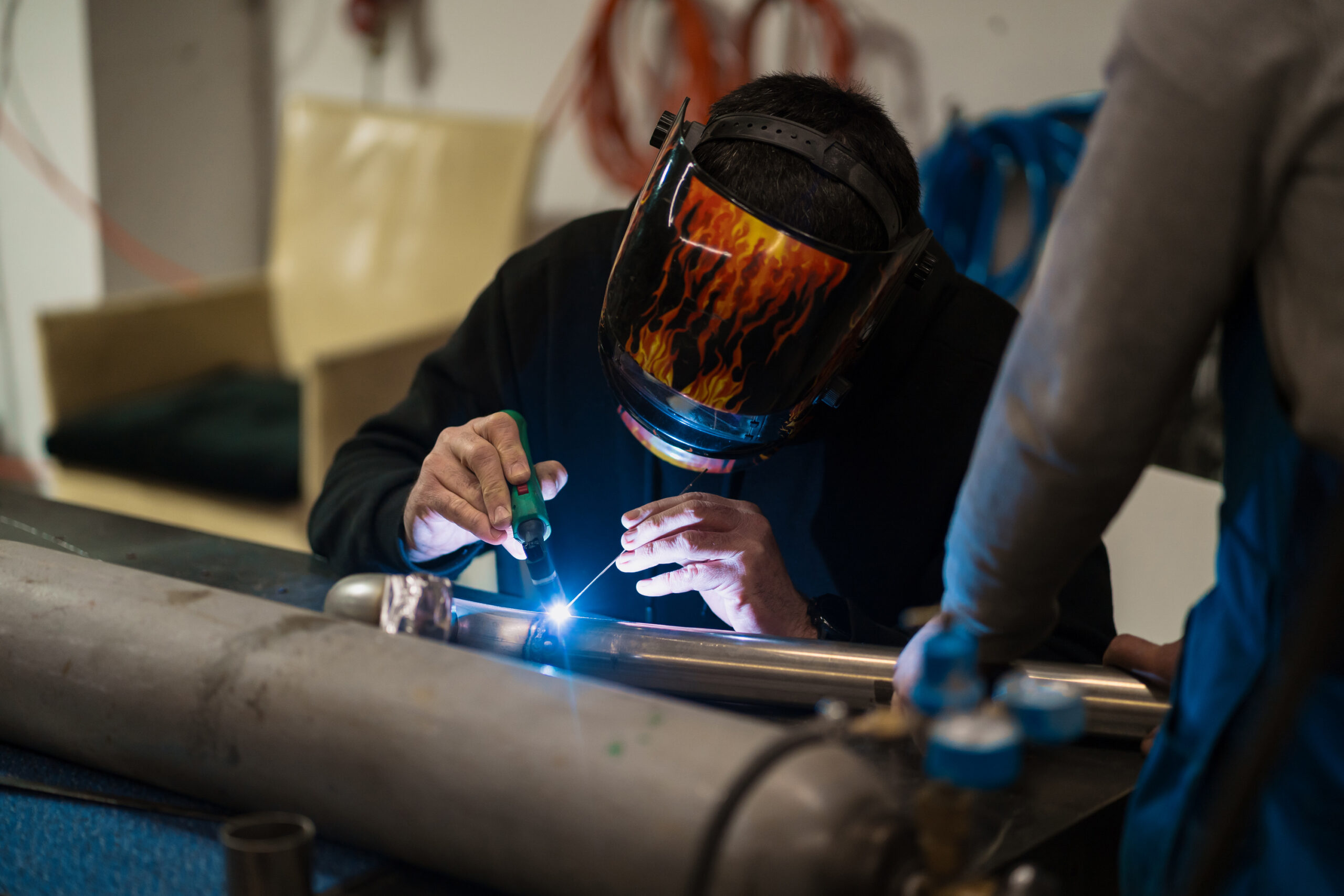
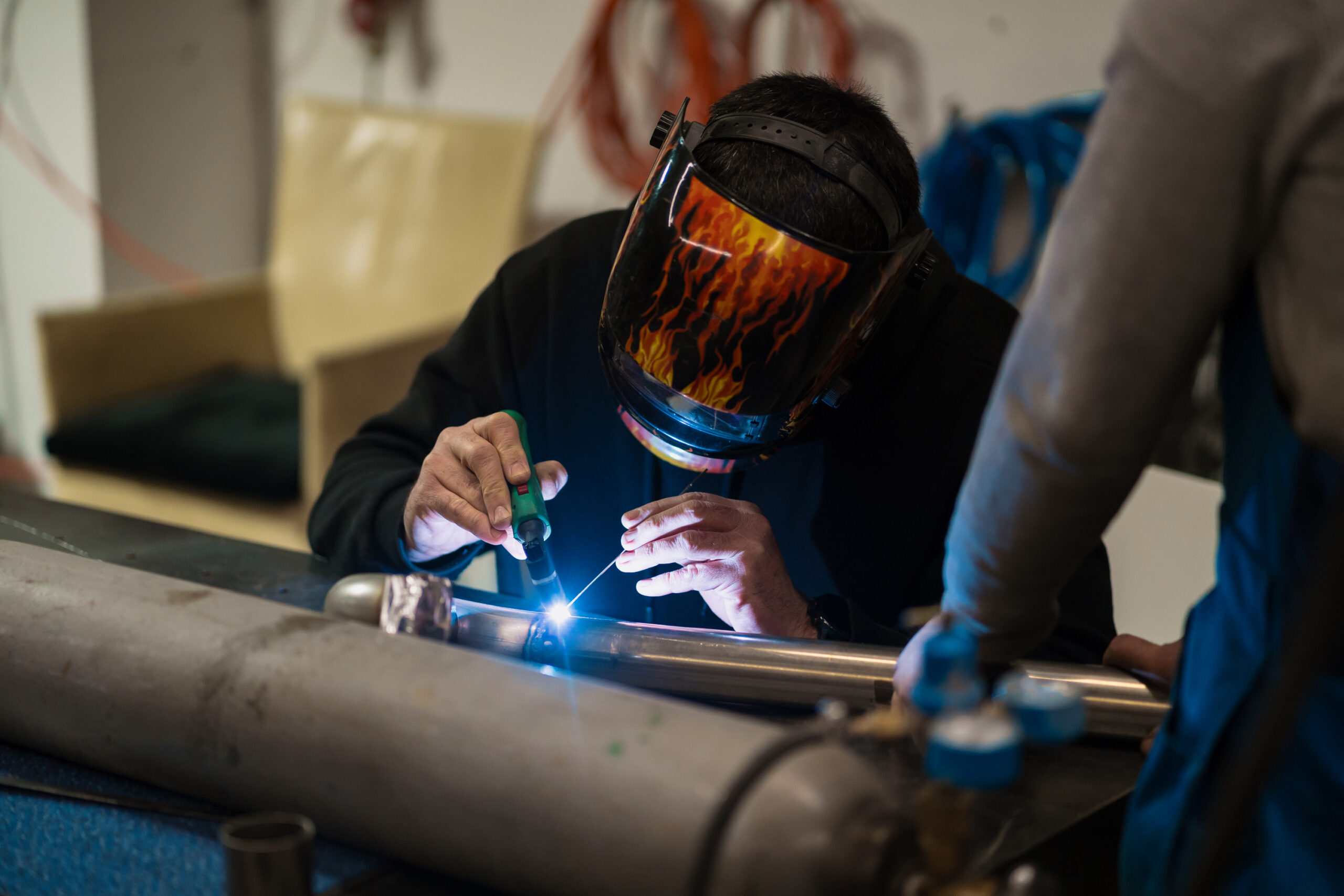
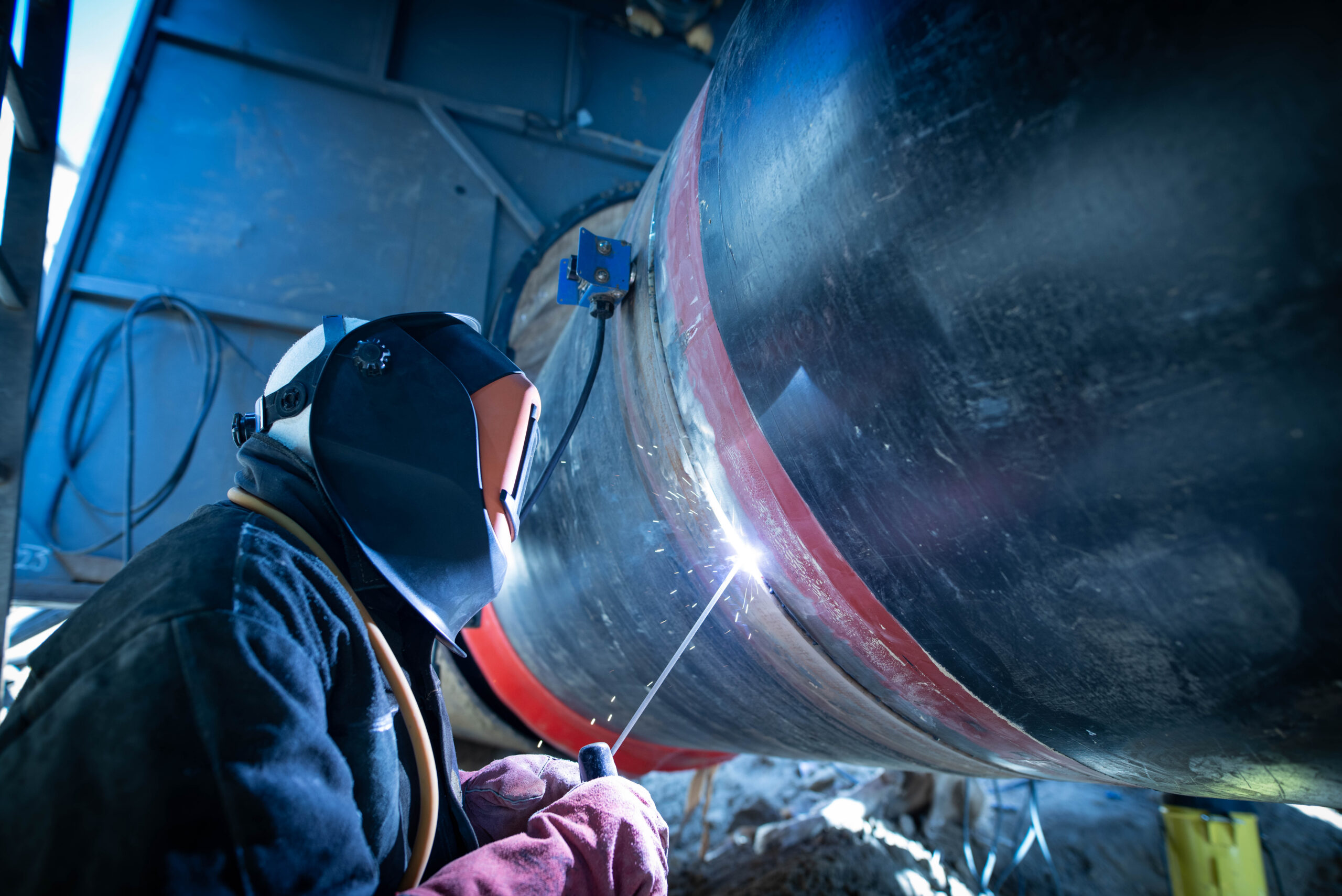
Type B sleeves are designed to form a complete encirclement around the pipe and are fully welded at the longitudinal seam and circumferential ends. The welding procedure is critical because these sleeves are intended to retain pressure. Weld quality, weld procedure qualification (WPS), and welder qualification must all comply with applicable codes.
Hydrostatic testing or non-destructive testing methods such as ultrasonic testing (UT) or radiography (RT) are often required to validate the integrity of the sleeve installation.
Fit-Up and Internal Clearance
A proper fit-up is essential to ensure sleeve functionality. A sleeve that is too tight can be difficult to install or may introduce stress concentrations. Conversely, excessive clearance between the sleeve and pipe may reduce the sleeve’s ability to transfer stress and pressure. The sleeve should be cut and rolled to match the curvature of the host pipe precisely.
In cases where the pipe wall has experienced metal loss due to corrosion, filler materials such as epoxy or sealant may be used to bridge the gap and provide a load path between the sleeve and pipe.
External Coating and Corrosion Protection
After installation, the sleeve must be protected against external corrosion to ensure its long-term effectiveness. Common protective systems include fusion bonded epoxy (FBE), three-layer polyethylene (3LPE), and heat-shrink sleeves. Coating systems should be selected based on the environmental exposure, soil chemistry, and temperature conditions.
Sleeves located in subsea environments or harsh above-ground settings may require additional anti-corrosion measures such as cathodic protection compatibility and high-performance coatings.
Thermal Expansion and Stress Considerations
High-pressure pipelines often operate under fluctuating thermal conditions, especially in cross-country or offshore applications. The steel sleeve must accommodate differential expansion between itself and the host pipe. This is particularly important when the sleeve material differs in thermal expansion coefficient or when large temperature variations are expected.
Stress analysis and finite element modelling (FEM) are sometimes employed to simulate the combined effects of pressure, thermal loading, and mechanical stresses to validate sleeve design.
Monitoring and Inspection
Once installed, the sleeve should be included in the pipeline integrity management system (PIMS). Periodic inspection using ultrasonic testing, magnetic flux leakage (MFL), or smart pigging tools can help assess the condition of both the sleeve and underlying pipe.
Records of installation, testing, and inspection should be meticulously maintained to ensure traceability and compliance with regulatory standards.
When to Use Type B Sleeves Over Other Repair Options
While there are several repair methods available, including composite wraps, internal liners, and clamps, Type B steel sleeves remain the gold standard for permanent pressure-retaining repairs. Their full-encirclement and welded design makes them uniquely capable of handling high-pressure service.
However, Type B sleeves require a temporary shutdown and hot work, which may not be feasible in all scenarios. Therefore, their use is typically justified when the defect is critical, located in a high-pressure segment, or when other repair methods are not compliant with regulatory standards.
Conclusion
Designing steel pipe sleeves for high-pressure environments requires more than just selecting the right size or shape. It involves careful consideration of material properties, welding procedures, fit-up quality, stress distribution, and corrosion protection. Type B sleeves, when properly engineered and installed, offer a reliable and permanent solution for pipeline integrity.
At Lined Pipe Systems, we provide engineered sleeve solutions tailored to the needs of high-pressure oil and gas systems. Our products are compliant with international codes and optimized for long-term performance. If you’re planning a high-pressure repair or reinforcement, our team can assist with design, selection, and technical support.