Water injection and produced water handling are two of the most demanding applications in oil and gas. The pipelines carrying these fluids face not only constant exposure to corrosive elements but also pressure variations that test their durability. In such environments, traditional protective measures often fall short, leaving operators with rising maintenance costs and unexpected downtime.
This is where pipeline sleeves provide a decisive advantage. By directly protecting weld joints and other vulnerable areas, sleeves offer reliable corrosion resistance and extended service life, making them essential for water injection and produced water systems.
Why Weld Joints Are the Weak Link
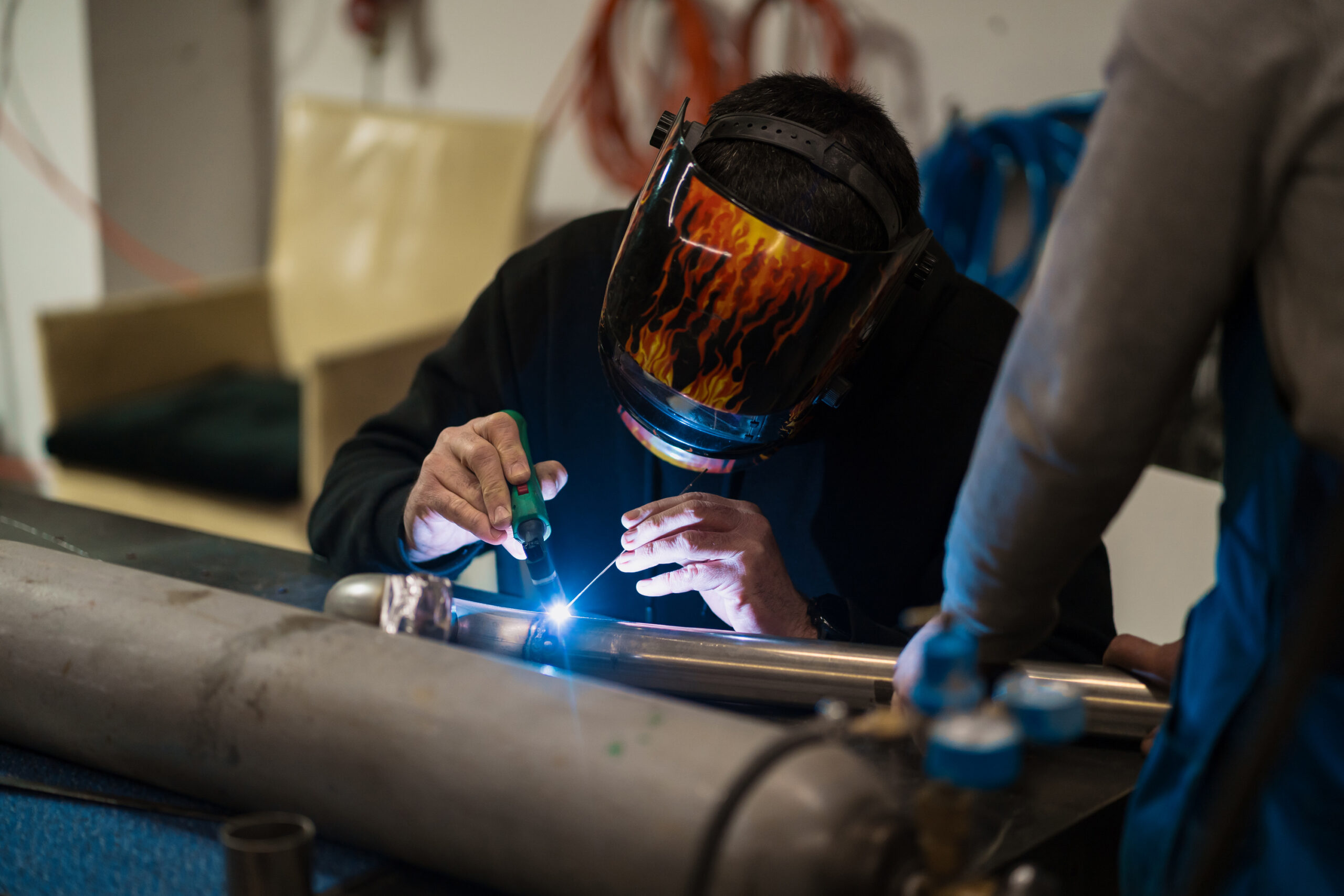
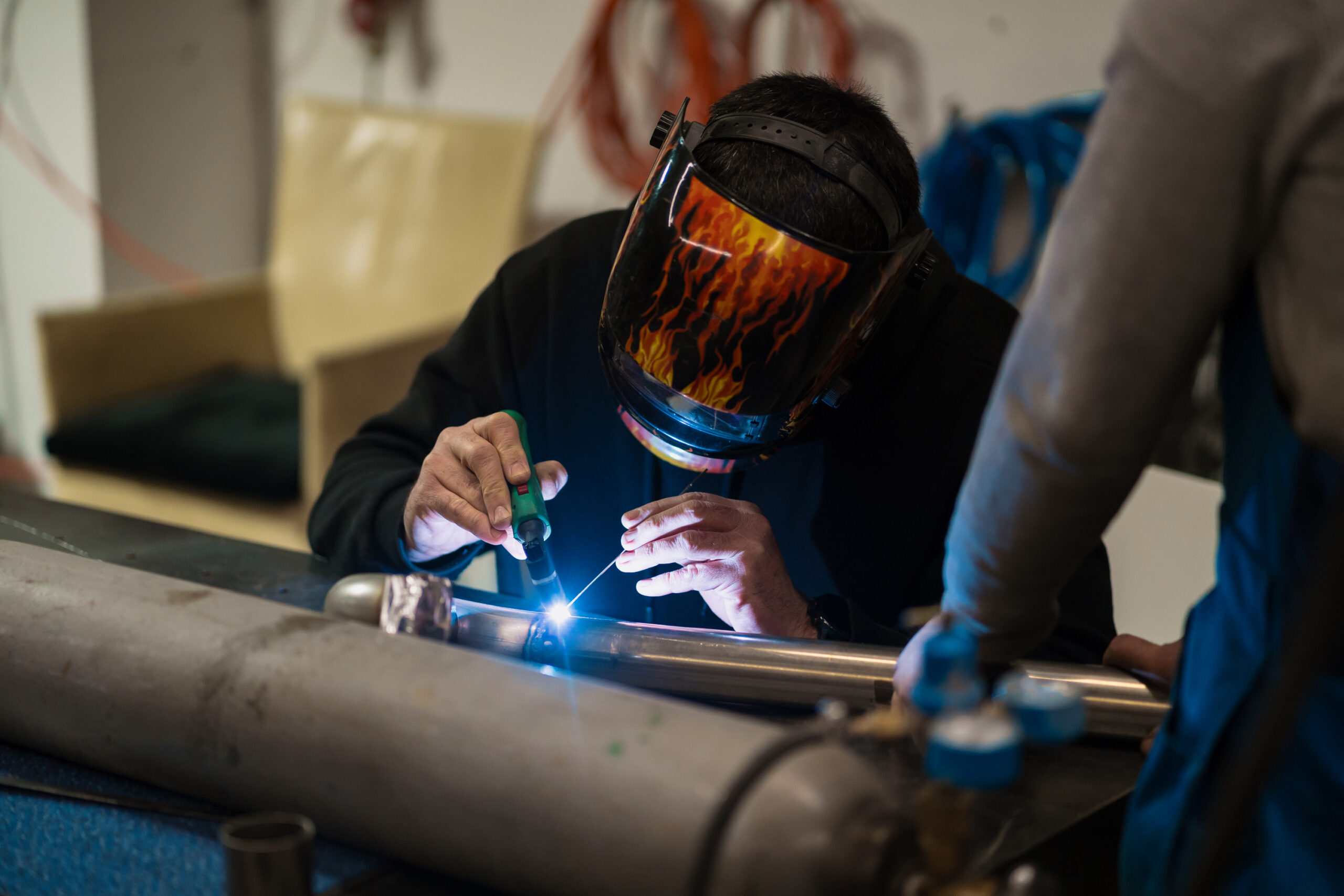
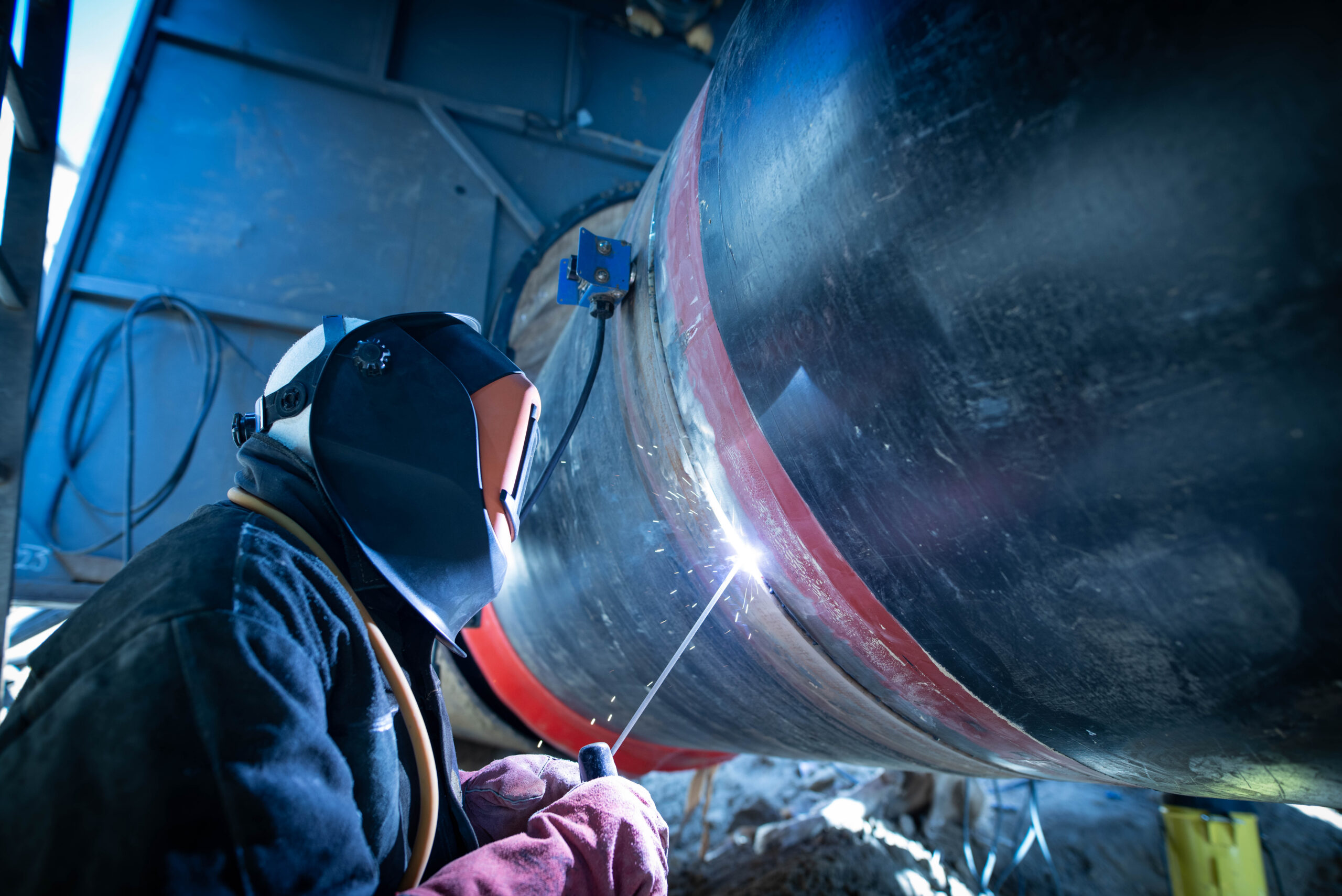
Every pipeline is only as strong as its joints. When carbon steel pipelines are internally lined with protective materials, the welding process burns off that lining, leaving bare steel exposed. This cutback area becomes a hotspot for corrosion.
Field-applied coatings such as epoxy are frequently used to cover this exposed steel, but they require strict surface preparation, curing time, and often specialized robotic application. In high-volume water injection lines, these methods are slow, inconsistent, and prone to failure under pressure. Sleeves resolve this issue by sealing off the weld zone completely, removing reliance on patching or robotic coating.
Pipeline Sleeves in Water Injection Systems
Water injection is used to maintain reservoir pressure and enhance oil recovery. However, the water being injected can be highly corrosive, containing oxygen, chlorides, or other chemicals. Even minor coating failures can escalate into leaks or costly repairs.
Consequently, Internal pipe sleeves create a permanent barrier at the weld joint. When the line is pressurized, the sleeve’s seals tighten, preventing fluid ingress. This ensures that injection water remains contained without attacking the bare steel of the joint. As a result, pipelines maintain consistent performance even under aggressive water chemistry.
Sleeves in Produced Water Pipelines
Produced water pipelines face a different but equally challenging environment. The mixture of hydrocarbons, water, and solids makes these lines abrasive and corrosive at the same time. Abrasion erodes conventional coatings, while corrosion accelerates once steel is exposed.
Sleeves like FlexSleeve® and SealSleeve™ are specifically engineered for such dual-threat environments. By protecting the weld zones, they ensure that the internal lining remains continuous throughout the pipeline, even at joints. This extends the operational life of produced water systems and reduces unplanned shutdowns for repairs.
Comparing Sleeves to Traditional Methods
One of the key reasons sleeves are being adopted is their ability to outperform traditional methods. Historically, robotic field joint coating has been trialed in several projects. However, it often creates delays due to uneven application and long curing cycles. Likewise, manual patching lacks the precision and durability needed in high-pressure, high-corrosion environments.
In contrast, pipeline sleeves eliminate these inefficiencies. As a result, installation is quick, protection is immediate, and performance is consistent across all joints. Moreover, by avoiding coating failures and rework, operators gain both time and cost savings.
FlexSleeve® in High-Pressure Applications
For water injection and produced water lines operating under high pressures, FlexSleeve® has proven to be an effective solution. Its design includes pressure-activated bore seals that strengthen under operating conditions. This feature means that the higher the pressure in the line, the tighter the seal becomes. EPC contractors benefit from faster construction schedules without compromising the long-term reliability of the system.
SealSleeve™ for Lined Pipelines
Pipelines that use rubber, polyurethane, or thermoplastic linings to handle abrasive fluids face unique challenges at the weld joints. Traditional patching creates weak spots where abrasion and corrosion can quickly start. SealSleeve™ addresses this by bonding liners under controlled factory conditions, ensuring the lining remains seamless across the joint.
In produced water applications where abrasive solids are common, this seamless joint protection is critical. It reduces the risk of premature liner failure and supports uninterrupted system performance.
Economic Impact of Sleeve Technology
Pipeline projects are judged not only on their technical success but also on their financial performance. Sleeves play a direct role in reducing project costs by eliminating delays, minimizing maintenance, and extending the service life of critical assets. For operators managing water injection and produced water systems, this translates into lower total cost of ownership and improved asset reliability.
Meeting Regulatory and ESG Expectations
Similarly, Environmental performance is under growing scrutiny. Leaks from produced water systems or injection pipelines can have significant environmental consequences, leading to regulatory penalties and reputational damage. By providing robust weld joint protection, pipeline sleeves reduce the risk of leaks and support compliance with stringent environmental and safety standards.
Sleeves as Standard Practice
The pipeline industry is moving toward solutions that combine construction efficiency with long-term reliability. Pipeline sleeves are increasingly seen not as optional add-ons but as core components of pipeline integrity programs. For water injection and produced water systems, their role is becoming indispensable.
Conclusion
Water injection and produced water handling represent some of the toughest challenges in pipeline operation. Traditional coating methods leave weld joints exposed to corrosion, abrasion, and costly failures. Pipeline sleeves provide a faster, more reliable, and more durable alternative.
At Lined Pipe Systems, we supply engineered sleeve solutions such as FlexSleeve® and SealSleeve™ that are designed to meet the specific needs of injection and produced water systems. By reducing project delays, extending service life, and supporting ESG compliance, sleeves are reshaping how pipelines are built and maintained.
If your project involves high-corrosion or high-abrasion service, our team can help integrate the right sleeve technology for lasting protection and efficiency.