Hydrogen is no longer a distant energy dream. With global investment in clean fuels accelerating, the demand for hydrogen ready pipeline design is increasing every year. Pipelines, which have always been central to energy transport, are now under pressure to evolve. Hydrogen introduces unique challenges that existing designs and protective systems were not built to handle.
This is where pipeline sleeves enter the discussion. They are not only about solving today’s weld joint problems but also about preparing pipelines for the conditions hydrogen will impose. At Lined Pipe Systems, we see sleeves as a critical step toward making pipelines hydrogen-ready.
The Challenge of Hydrogen Transport
Hydrogen, the smallest molecule in the periodic table, creates serious containment challenges. It penetrates materials, causes embrittlement, and accelerates corrosion at weld joints. Because of this, engineers must redesign pipelines for hydrogen service instead of simply repurposing systems built for oil, gas, or water.
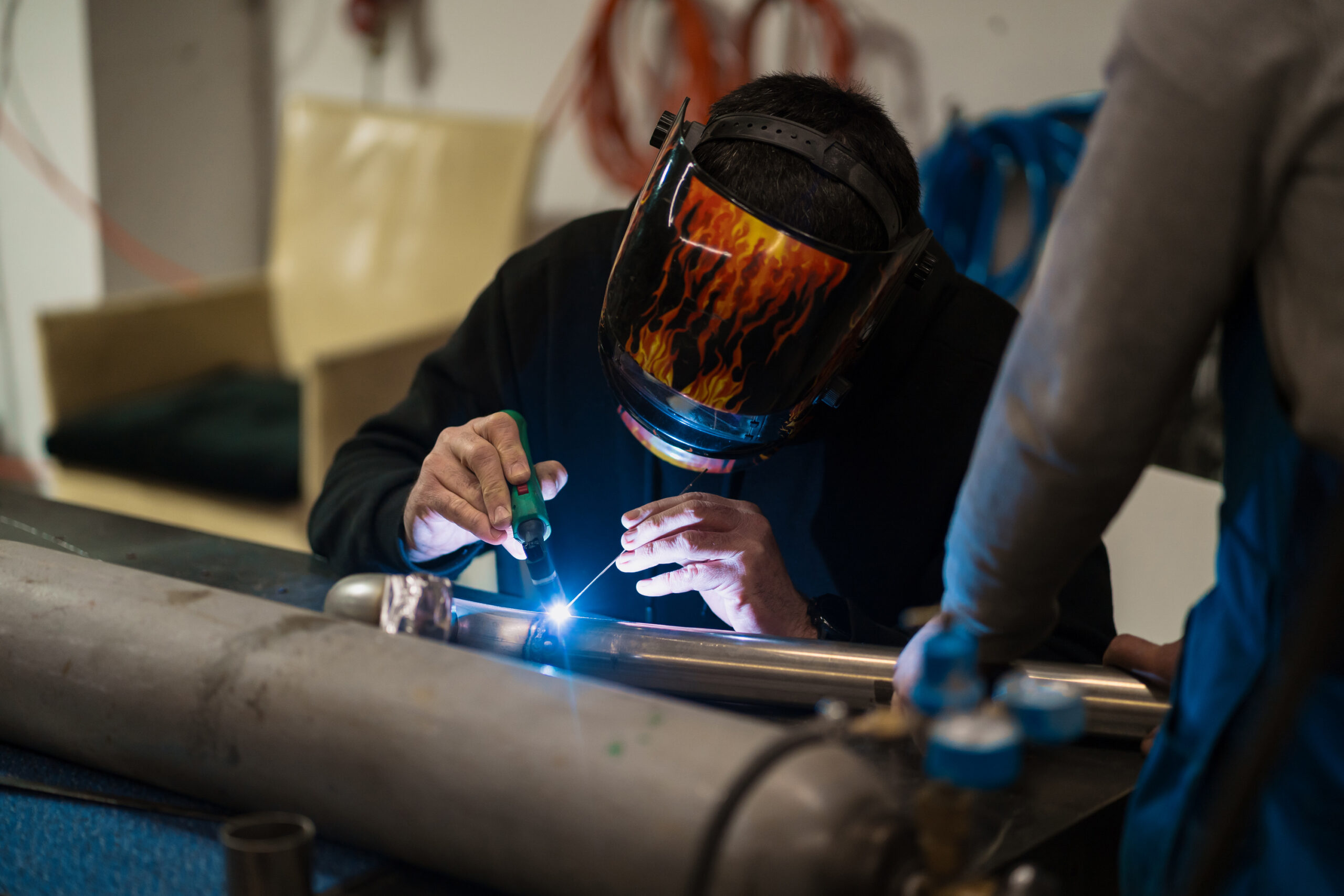
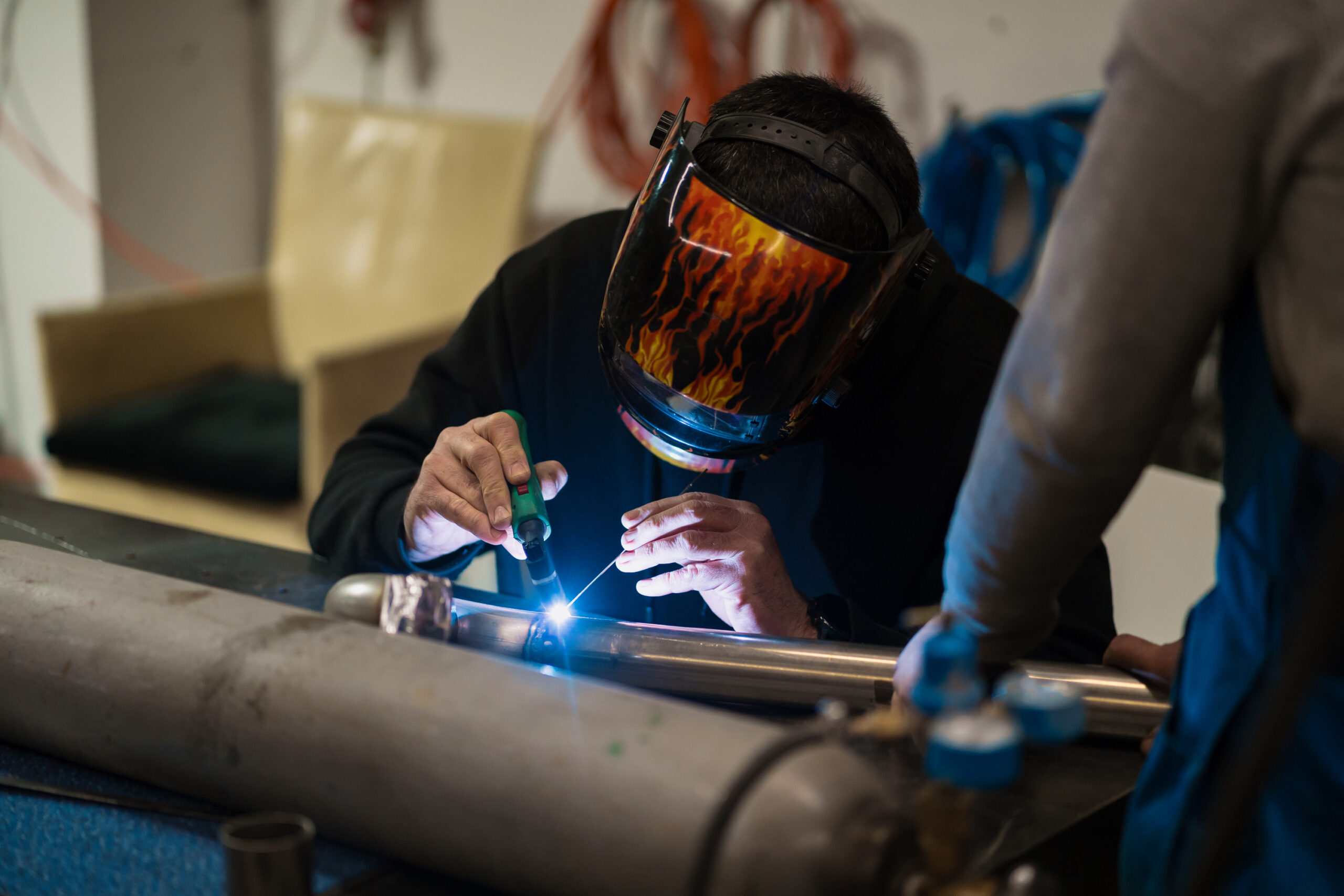
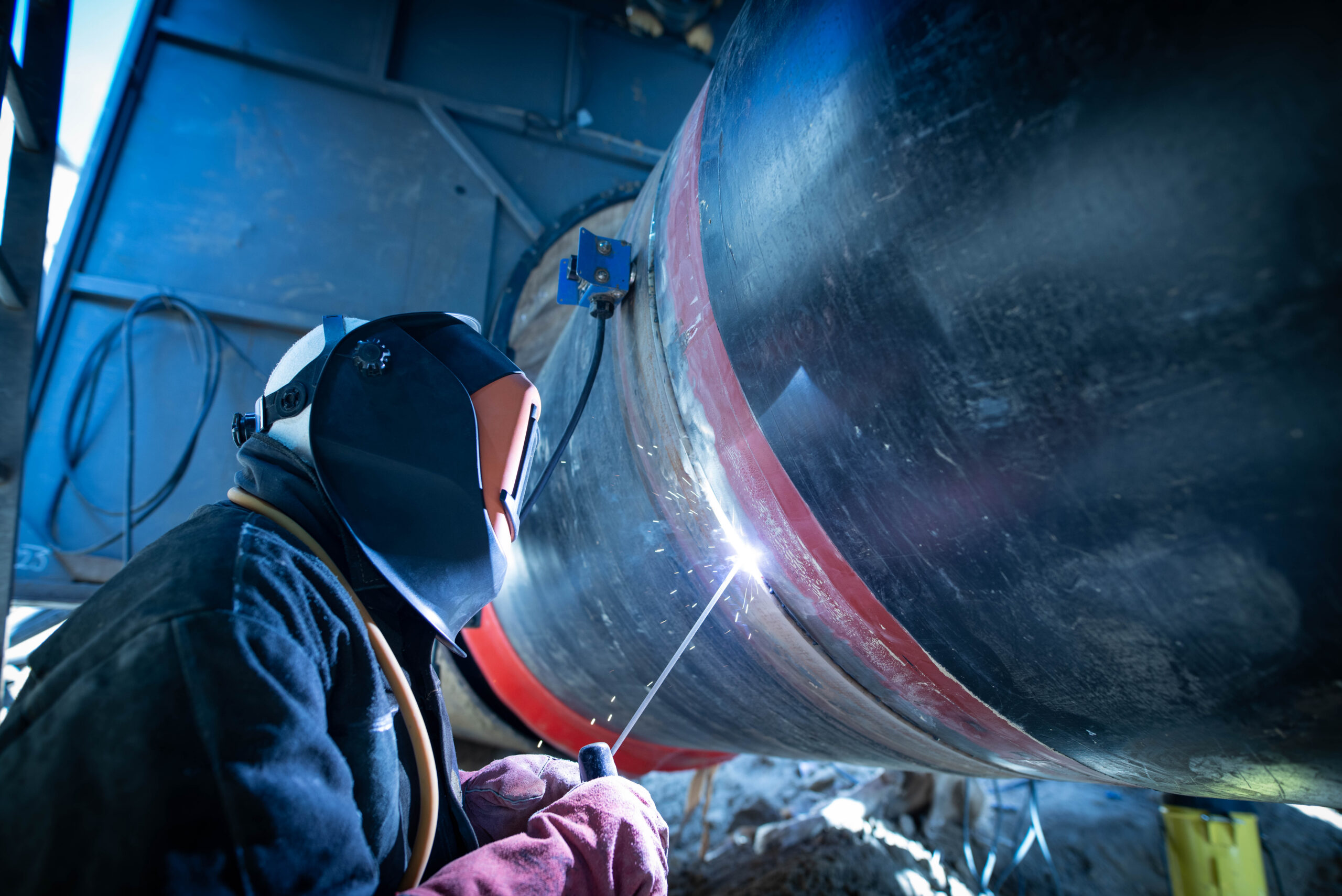
Weld joints continue to be the weakest point in every lined pipeline. During welding, traditional internal coatings burn away, exposing bare steel and leaving it vulnerable to hydrogen attack. Field-applied coatings and robotic joint coating systems attempt to solve this issue, but in practice, they struggle to meet the pressure, permeability, and speed demands required for reliable hydrogen transport.
Why Sleeves Offer an Answer
Pipeline sleeves, particularly internal pipe sleeves, directly protect weld zones by sealing them before they can be exposed to hydrogen. Instead of relying on patching or coating repair, the sleeve creates a permanent barrier that remains effective throughout the life of the pipeline.
This approach aligns perfectly with hydrogen ready pipeline design principles. EPC contractors and operators need assurance that their assets will remain safe and compliant as hydrogen infrastructure scales. Sleeves provide that assurance by eliminating the weld joint as a failure point.
Sleeves and Hydrogen-Ready Standards
As regulatory frameworks continue to evolve, engineers and operators are tightening hydrogen-ready pipeline design standards. They now focus more than ever on meeting strict requirements for containment, safety, and long-term durability. While coatings still play an important role in overall protection, sleeves add an extra layer of security that regulators increasingly recognize as robust and reliable.
In practice, operators who install sleeves position their pipelines to meet hydrogen certification requirements more effectively, both now and in the future. For EPCs competing for hydrogen projects, adopting sleeve solutions can directly influence their success, often making the difference between securing contracts and falling behind competitors.
FlexSleeve® Technology for the Energy Transition
Among sleeve technologies, FlexSleeve® has gained attention for its adaptability. Its pressure-activated bore seals not only prevent fluid ingress but also strengthen under operating conditions. This characteristic is especially valuable in hydrogen ready pipeline designs, where reliability under pressure is non-negotiable.
FlexSleeve® integrates seamlessly with standard construction practices, avoiding the delays that robotic joint coating often introduces. In projects where speed, reliability, and hydrogen readiness must align, FlexSleeve® provides a field-proven advantage.
SealSleeve™ for Specialized Linings
Not all hydrogen transport lines will use the same internal protection. In some cases, rubber, polyurethane, or thermoplastic linings will be required for additional resistance. Here, SealSleeve™ provides a bonded solution that ensures the lining remains continuous across the weld joint.
This prevents weak points where hydrogen could penetrate or where abrasion and corrosion could start. For hydrogen mixed with CO₂ or other impurities, such joint protection is indispensable.
Cost Efficiency in Hydrogen-Ready Design
Preparing for hydrogen does not just mean technical adjustments; it also means balancing budgets. Robotic field joint coating and post-weld patching are both costly, not only in terms of equipment but also in project delays.
Sleeves eliminate the need for extended curing cycles, specialized robotics, or frequent rework. For large-scale hydrogen infrastructure, these savings quickly scale, making sleeves not just technically superior but also financially sound.
Environmental and ESG Considerations
Hydrogen infrastructure is being developed to meet global environmental goals, and operators now treat ESG compliance as just as critical as technical performance. Any leak or failure in a hydrogen pipeline can create serious safety risks and quickly erode public trust in the energy transition.
Sleeves play a direct role in preventing these risks. By protecting weld integrity and reducing the chances of leaks, they help operators and EPCs actively meet their ESG commitments. They also show clear, proactive risk management, which investors and regulators increasingly expect.
Looking Ahead to Hydrogen Ready Pipeline Design
Designing hydrogen-ready pipelines goes beyond simply replacing old systems with new materials. Engineers must apply innovative solutions that directly address specific vulnerabilities while staying aligned with tight project timelines and budgets. Sleeves meet this need by offering a solution that combines simple installation with strong, reliable performance.
As hydrogen infrastructure moves from concept to reality, project teams are already shifting sleeves from an optional enhancement to a standard requirement. In many projects, operators have started replacing internal joint coatings with sleeve solutions after seeing coatings fail to keep up with hydrogen’s unique demands.
Conclusion
The future of hydrogen transport will depend on the reliability of its pipelines. Weld joints, long considered the weak point of lined pipelines, cannot be left exposed in hydrogen service. Internal sleeves provide the durability, cost efficiency, and regulatory compliance needed to make pipelines hydrogen-ready.
At Lined Pipe Systems, we design and supply solutions such as FlexSleeve® and SealSleeve™ to ensure that pipelines are not only built for today’s challenges but are also prepared for the future of hydrogen. For EPCs and operators seeking to reduce risk and secure long-term performance, sleeves are proving to be an essential part of hydrogen ready pipeline design.