Time is as critical as technology. Delays in pipeline construction projects often translate into millions of dollars in lost revenue, strained contracts, and operational setbacks. Traditional methods of protecting weld zones and ensuring long-term integrity have historically slowed down modular construction schedules. This is where sleeve technology steps in.
At Lined Pipe Systems (LPS), we have seen firsthand how pipeline projects transform when sleeves are used instead of conventional repair or coating techniques. The efficiency gains are not just theoretical they are tangible benefits that contractors and operators experience in the field.
The Pressure of Modular Construction
Modular construction has become a preferred approach in oil, gas, mining, and water infrastructure projects. Instead of building everything in the field, sections of pipelines and facilities are prefabricated, transported, and then joined together. This method reduces costs, improves quality control, and shortens construction timelines.
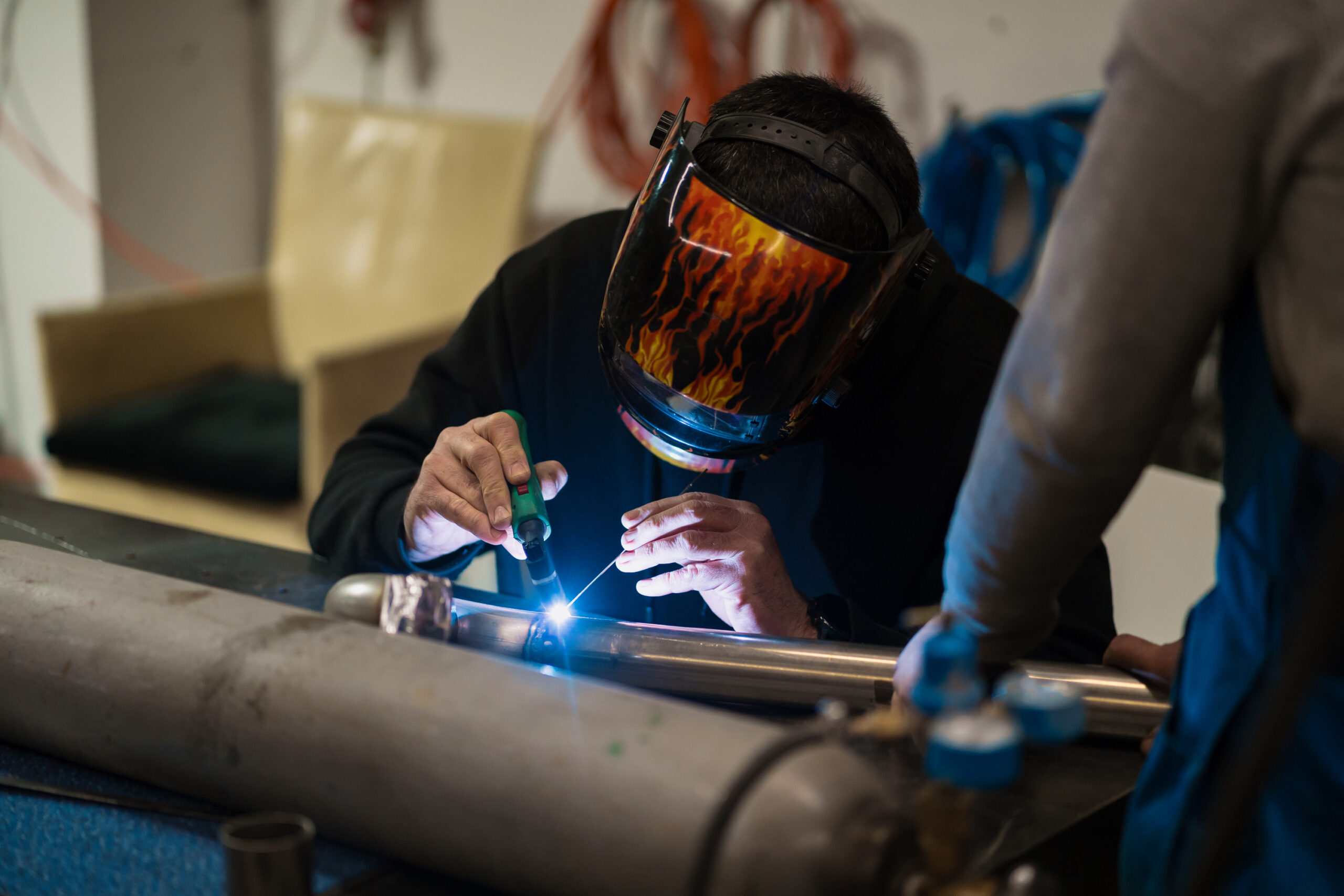
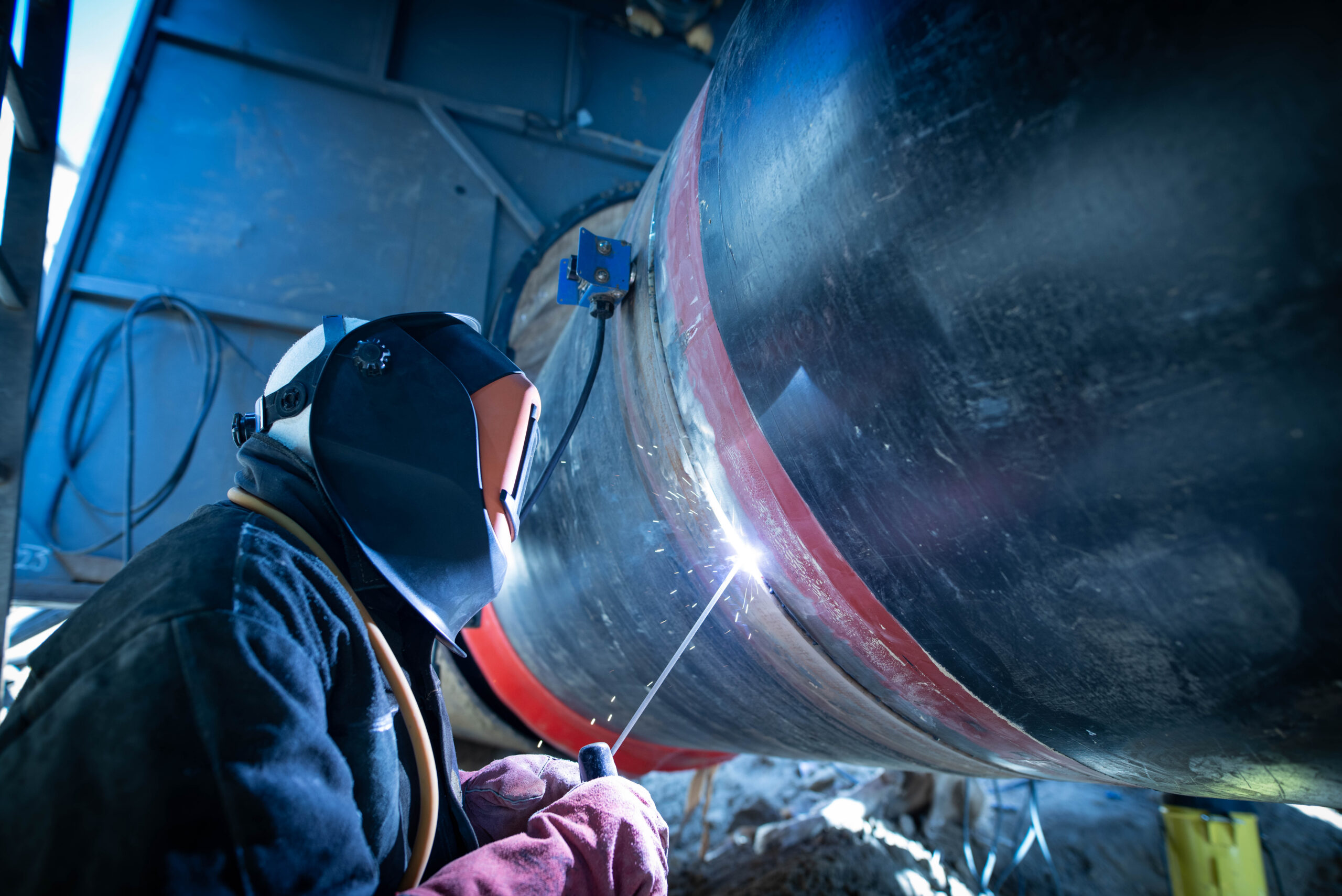
However, the welding of prefabricated pipe spools introduces a challenge. Each weld burns away protective coatings and linings, leaving bare steel exposed to corrosion. Coating or patching these joints in the field can be slow, inconsistent, and dependent on weather and site conditions.
Hence, for modular builds, where dozens or even hundreds of tie-ins must be completed, these delays can erode the efficiency that modular construction is designed to achieve.
How Sleeve Technology Changes the Equation
Sleeve technology was designed to solve this exact problem. Instead of relying on robotic joint coatings or manual patching, internal sleeves are inserted into the pipes before welding begins. These sleeves protect the weld zone from the inside, ensuring that corrosion never gains access to exposed steel.
This process eliminates the need for additional field-applied coatings. More importantly, it allows construction crews to weld, align, and pressurize pipelines without pausing for lengthy surface preparation or curing times. The result is a dramatic reduction in project delays.
Speed Without Sacrificing Integrity
One of the most common concerns with faster construction methods is whether quality is compromised. With internal sleeves, the opposite is true. The sleeves are factory-engineered to precise tolerances, creating a permanent seal that activates under pressure. This ensures consistent protection at every joint, regardless of field conditions.
Where robotic coatings or patching can fail due to misapplication, sleeves provide uniform reliability. The performance does not depend on weather, humidity, or operator skill. In modular builds where repeatability and consistency are critical, sleeve technology delivers confidence that every joint is protected the same way.
Case Applications in Modular Projects
Across mining operations, offshore tie-ins, and large water distribution systems, sleeve technology has proven its value. In projects where modular spools are joined in harsh environments, sleeves prevent the corrosion that often plagues traditional methods.
For example, in slurry transport pipelines, abrasion at joints is a major concern. By using sleeves instead of coatings, operators achieve faster assembly while ensuring long-term durability against abrasive flow. In offshore oil and gas, where welding tie-ins on decks is already complex, sleeves eliminate the extra step of coating joints in unpredictable weather conditions.
Cost Savings Through Reduced Downtime
Every day saved on a modular project reduces labor costs, equipment rental, and schedule penalties. By streamlining tie-in operations, sleeve technology creates measurable financial advantages.
It also extends the lifespan of pipelines, meaning fewer unplanned shutdowns and repairs over time. Operators avoid the costs of corrosion failures while benefiting from faster commissioning. This combination of immediate savings and long-term asset protection makes sleeves an increasingly obvious choice for EPC contractors and project owners.
The Role of FlexSleeve® in Modular Builds
Among the different sleeve technologies available, FlexSleeve® has emerged as the benchmark for modular pipeline construction. Not only does it feature bore seals that are activated by internal pressure, but it also effectively locks out corrosive fluids from weld zones. Furthermore, it integrates seamlessly with automatic lineup clamps, allowing construction crews to maintain their pace without requiring additional adjustments.
In addition, in modular projects where hundreds of welds must be completed in sequence, this design ultimately translates to major efficiency gains. As a result, FlexSleeve® enables crews to maintain welding momentum, significantly reduce inspection time, and move to commissioning faster.
A Long-Term Integrity Solution
While the immediate attraction of sleeve technology is speed, the long-term benefits are equally important. Corrosion is one of the most expensive challenges in the energy industry, costing billions annually. Internal sleeves address the root cause of corrosion at weld zones by preventing exposure in the first place.
Consequently, this ensures that pipelines not only go into service faster but also operate longer without intervention. For companies focused on lifecycle value, sleeves represent a proactive solution that reduces the need for costly future repairs.
Supporting the Shift Toward Sustainable Infrastructure
As the industry embraces cleaner energy, carbon capture systems, and hydrogen-ready infrastructure, the demand for reliable modular construction will only grow. Sleeve technology aligns perfectly with this shift. It reduces the environmental footprint of construction by minimizing waste, rework, and chemical coatings.
At LPS, we see sleeves not only as a construction tool but as part of a broader strategy for sustainable pipeline development. By enabling faster, cleaner, and more durable builds, sleeves support the global transition to next-generation infrastructure.
Conclusion
Modular pipeline construction is reshaping how energy and industrial projects are delivered. Yet the full benefits of modularity can only be realized when bottlenecks are eliminated and joint protection has long been one of the biggest obstacles.
Sleeve technology solves this challenge by replacing slow, inconsistent field coatings with a permanent, reliable solution. It empowers EPC contractors, operators, and project managers to save time, reduce costs, and deliver projects with greater confidence.
At Lined Pipe Systems, we are committed to helping the industry move forward with proven sleeve technologies that combine speed with long-term performance. If your next modular pipeline project demands efficiency without compromise, sleeves are the solution designed for the future.