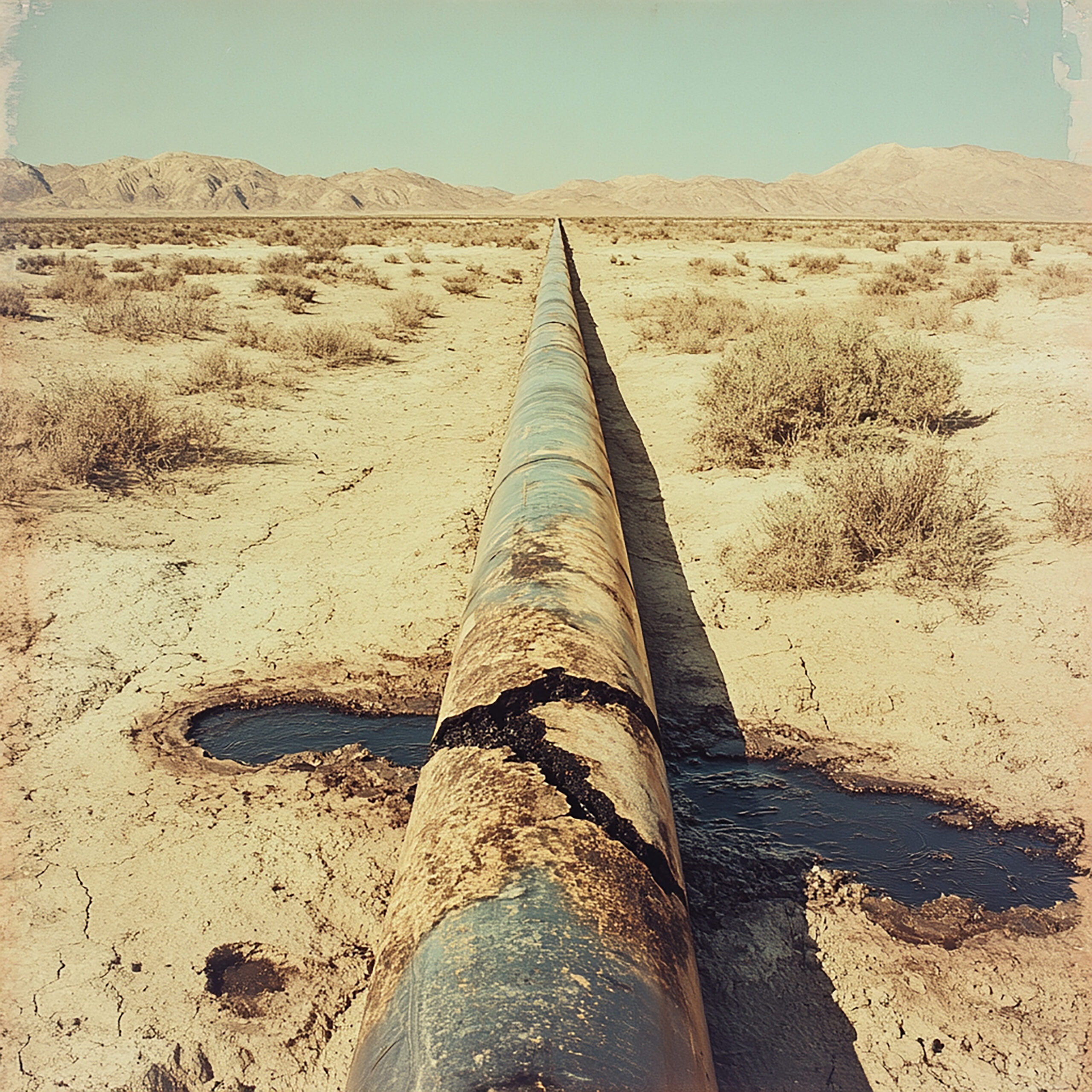
Engineers designed pipelines built decades ago for durability, but time continues to take its toll. As infrastructure ages, operators confront corrosion, weakening weld zones, abrasion from transported materials, and increasingly strict regulatory demands.
Replacing these assets outright is often unrealistic due to cost, downtime, and logistical hurdles. This is where innovative sleeve technology has emerged as one of the most effective strategies to extend pipeline service life without disruptive overhauls.
The Challenge of Aging Pipelines
Across the oil, gas, mining, and water industries, operators are pushing older pipelines to perform in environments far harsher than originally intended. As conditions intensify, weld joints lose integrity, coatings break down, and protective linings develop thin spots.
Even when external corrosion protection remains intact, internal wear creates critical weak points that operators cannot ignore. Traditional solutions such as localized patching or robotic joint coatings often fail to deliver lasting results, exposing operators to repeated failures and ongoing risk.
Why Conventional Repairs Fall Behind
Methods like weld overlays or field joint coating applications may appear sufficient in the short term, but they introduce new vulnerabilities.
Overlays can create uneven stress zones that accelerate fatigue, while coatings applied inside the pipe frequently degrade faster than expected. These approaches also tend to increase project timelines, especially in offshore or remote settings, where every day of delay compounds costs.
Sleeves as a Smarter Alternative
Internal sleeves have transformed how operators manage aging pipelines. Unlike temporary coatings or overlays, sleeves provide a robust mechanical barrier that restores protection at critical points, particularly at weld zones. Because sleeves integrate with existing coatings and linings, they strengthen the pipe where it is most vulnerable without requiring full-scale relining or replacement.
At Lined Pipe Systems, we have worked with operators who initially relied on robotic coating methods for repair but found the results inconsistent. By adopting sleeves, they not only achieved longer-lasting corrosion protection but also reduced downtime across entire sections of aging networks.
Extending Lifespan Under Tough Conditions
As industries transition toward harsher service environments, higher temperatures, more abrasive slurries, or even hydrogen transport the limitations of older pipelines become more evident. Sleeves allow these systems to adapt by shielding vulnerable areas that coatings alone cannot protect.
For example, a pipeline transporting produced water with high solids content will erode lining systems over time. By reinforcing weld joints with sleeves, the pipeline’s lifespan can be significantly extended without major interventions.
Balancing Compliance and Cost
Aging infrastructure now faces stricter regulatory scrutiny. Operators must demonstrate not only operational integrity but also environmental safety. When weld joints fail or liners break, operators risk costly penalties and compliance issues.
Internal sleeves enable operators to meet these requirements without stretching their budgets. They actively seal and protect weld zones, giving operators greater confidence to run assets that might otherwise be considered too risky to operate.
A Sustainable Path Forward
The question facing the industry is not simply whether to repair or replace, but how to do so in a way that maximizes value and minimizes risk. Sleeve technology has proven to be a sustainable solution because it reduces waste, extends the functional life of existing infrastructure, and avoids the environmental impact of complete replacement projects.
For operators managing aging pipeline infrastructure, sleeves provide more than just protection they represent a shift toward smarter, more resilient maintenance strategies. By addressing the root cause of failures at welds and lining transitions, sleeves ensure that pipelines continue to perform under today’s demanding conditions.
Conclusion
Aging pipeline infrastructure does not always need to be replaced. With the right technology, its life can be extended safely and cost-effectively. Internal sleeves such as FlexSleeve® and SealSleeve™ provide permanent protection for weld joints, outperforming coatings and robotic repair methods that fall short over time.
For operators, the benefits are clear: improved reliability, reduced costs, stronger compliance, and readiness for future demands. At Lined Pipe Systems, we work with EPCs and operators worldwide to implement sleeve solutions that keep infrastructure running, even as it ages.
If your project is dealing with aging pipelines and the risks that come with them, sleeve technology may be the key to unlocking years of additional performance.