As the world transitions toward cleaner energy and sustainable industrial practices, Carbon Capture and Storage (CCS) projects have become a critical part of the global energy strategy. These projects are designed to capture carbon dioxide emissions from industrial processes, power generation, and other high-emission activities, and transport the gas through pipelines to storage sites deep underground.
For CCS to succeed, pipelines must operate under conditions that are far more challenging than traditional oil and gas systems. Transporting dense-phase CO₂ brings unique risks, particularly in terms of corrosion, abrasion, and pressure management. This is where pipeline sleeves play an essential role. By protecting vulnerable weld zones and ensuring long-term integrity, sleeves provide a reliable solution that supports the success of Carbon Capture and Storage projects.
The Role of Pipelines in CCS Projects
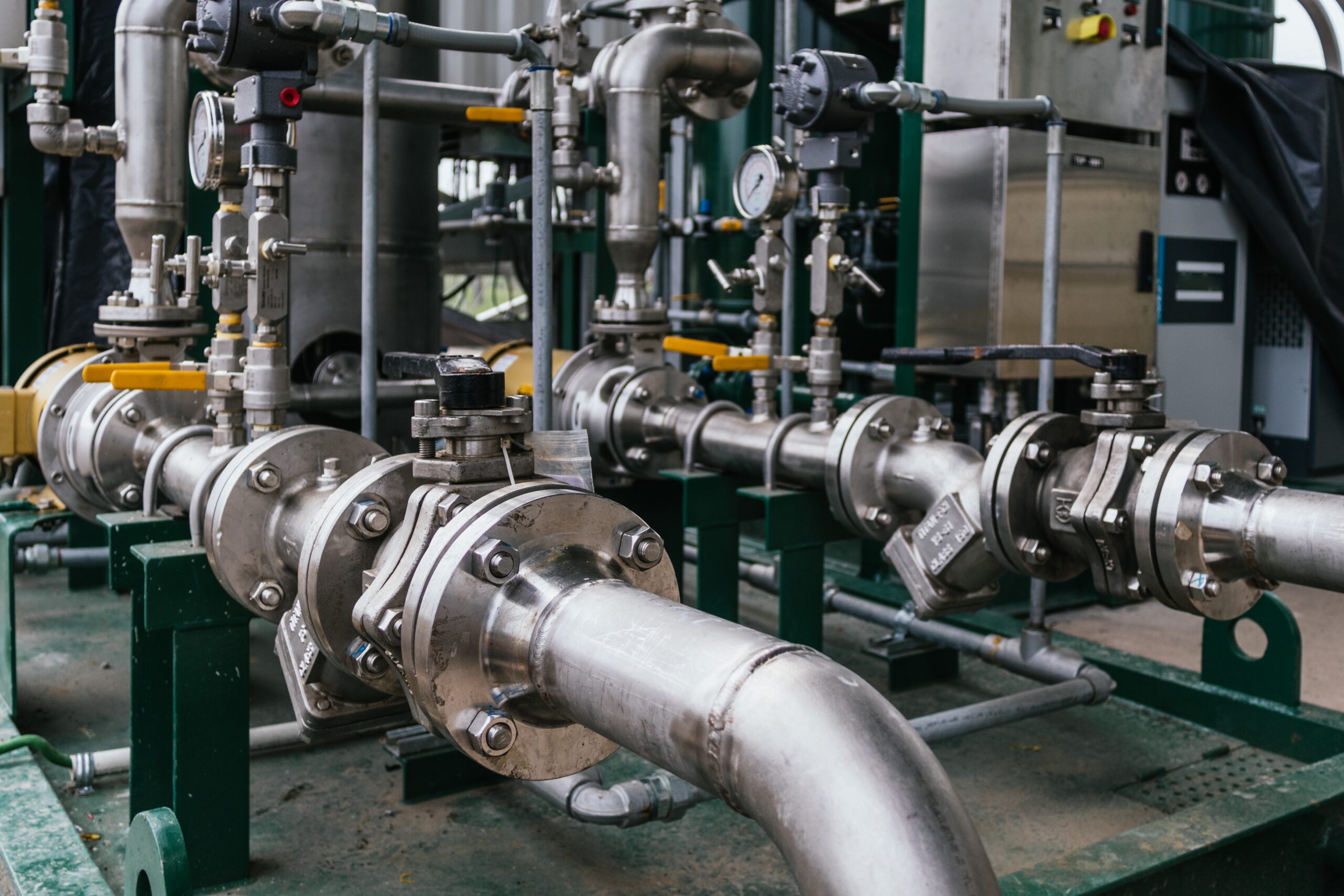
Pipelines are the backbone of CCS infrastructure. Once carbon dioxide is captured, it must be safely transported to geological storage reservoirs such as depleted oil fields or saline aquifers. This transportation requires steel pipelines capable of handling high pressure, fluctuating temperatures, and in many cases, exposure to impurities like water, oxygen, and sulfur compounds that make CO₂ highly corrosive.
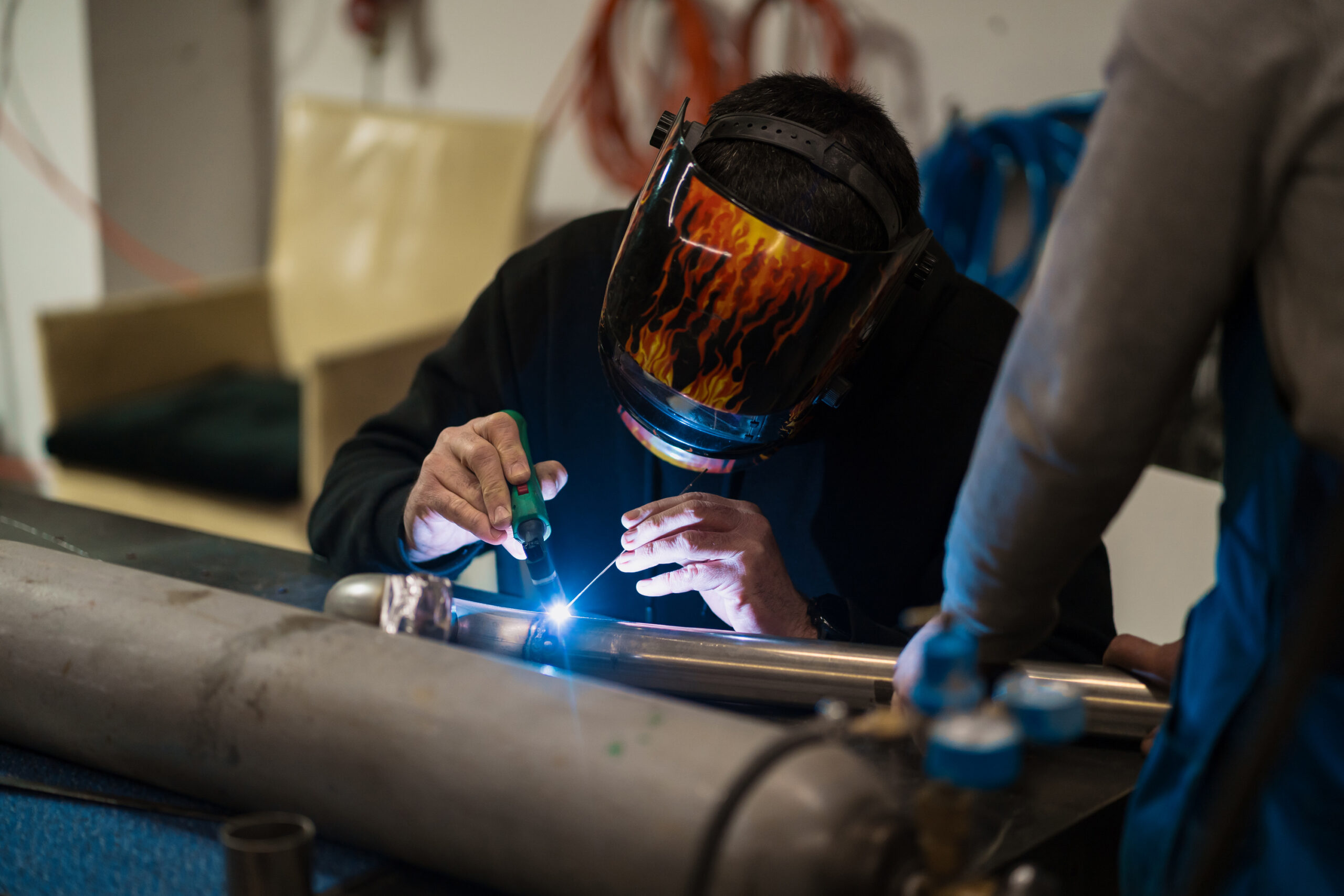
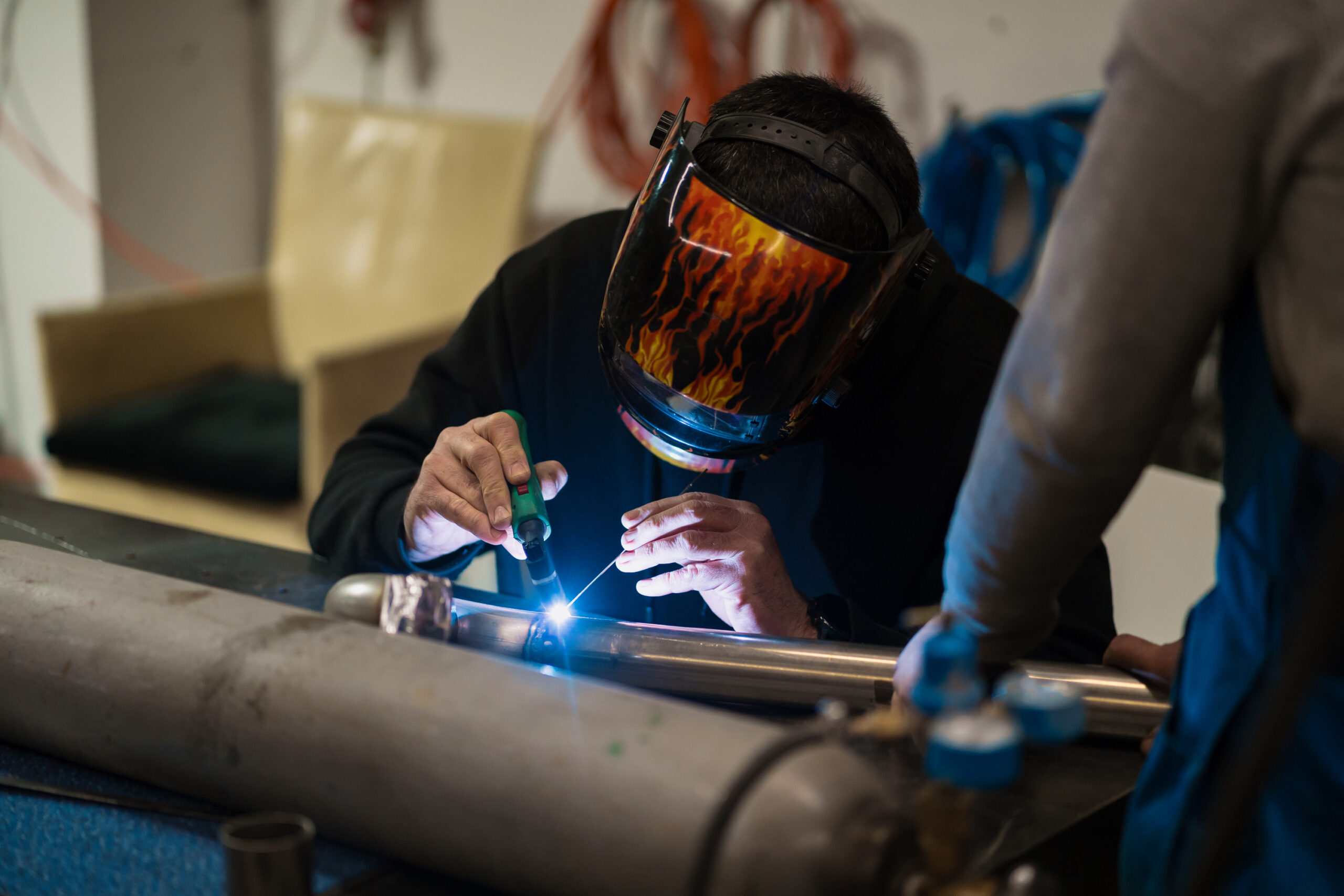
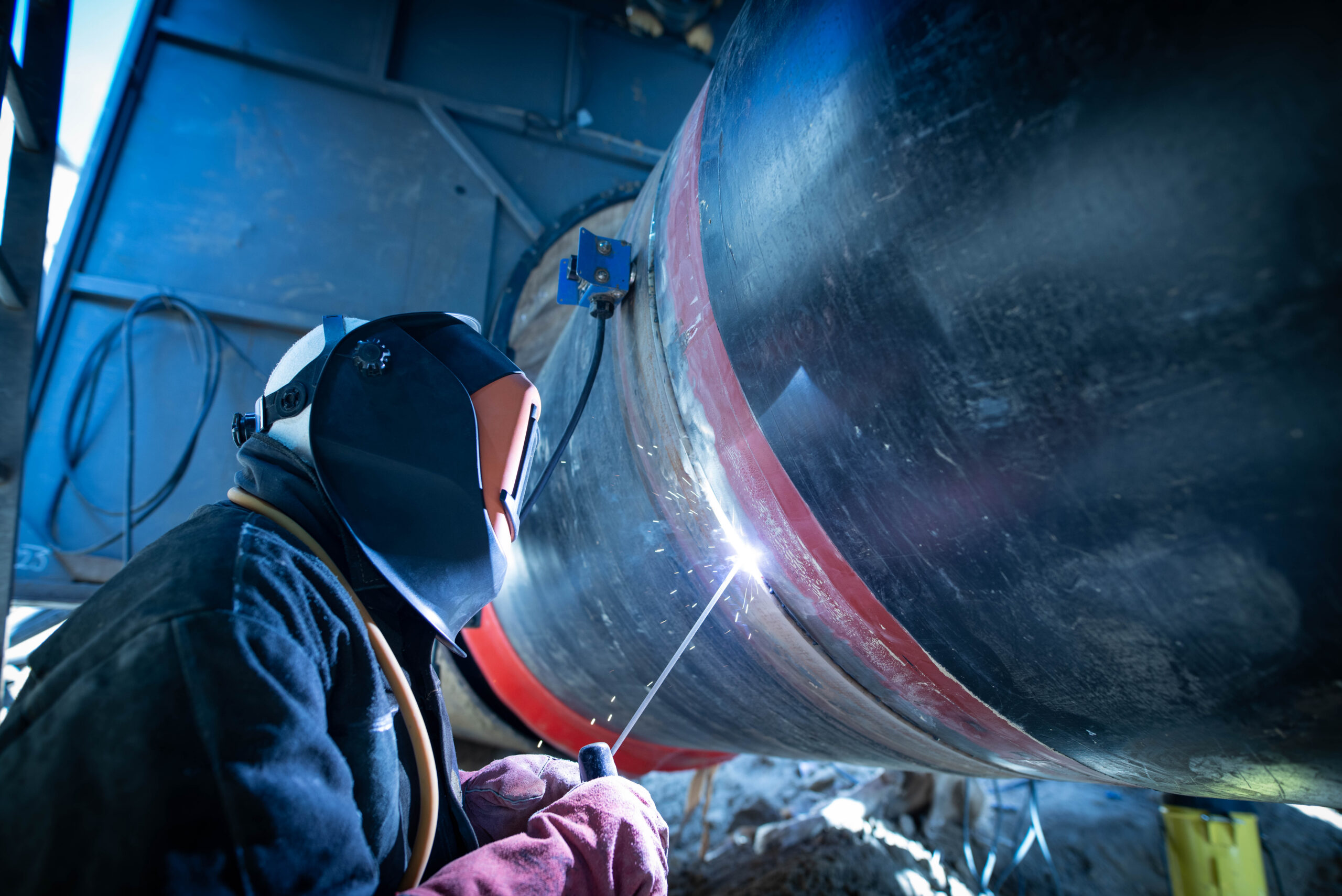
While internal coatings and linings are commonly applied to protect pipelines, the challenge occurs at the weld zones, where these protective layers are burned away during construction. The exposed steel at the weld joint becomes the weakest point in the system, vulnerable to accelerated corrosion when in contact with dense-phase CO₂. Over time, this can lead to leaks or even catastrophic failure.
Why Weld Zones Are a Major Concern in CCS
CCS pipelines differ from conventional oil and gas transport lines. Carbon dioxide in dense-phase form has properties that make it especially aggressive toward bare steel. Even trace amounts of water in the system can combine with CO₂ to form carbonic acid, which rapidly corrodes unprotected metal.
In weld zones where internal coatings are destroyed, operators cannot rely solely on traditional coating methods to provide lasting protection. This makes the adoption of advanced technologies such as internal pipe sleeves essential for the success of CCS pipelines.
How Pipeline Sleeves Provide Protection
Permanent Weld Zone Defense
Internal sleeves are designed to protect the steel at the weld joint. Installed before the pipeline is welded, the sleeve covers the area where the coating or lining is removed. Once in place, it provides a permanent barrier against corrosion, ensuring that no part of the pipeline is left exposed to CO₂ or acidic compounds.
Compatibility with Pipeline Linings
Most CCS pipelines employ linings such as epoxy, polyurethane, or HDPE to provide internal protection. Internal sleeves integrate seamlessly with these linings by bridging the vulnerable weld zones and maintaining continuity of protection across the entire pipeline. This ensures that the coating system remains intact from one pipe section to the next.
Durability Under Pressure
Carbon dioxide pipelines operate under high-pressure conditions, often exceeding those found in natural gas or water transport lines. Internal sleeves are engineered to withstand these stresses, expanding under operating pressure to form a tight mechanical seal that cannot be breached by corrosive agents.
Faster and More Reliable Construction
CCS projects are often large-scale and time-sensitive. Traditional weld overlay methods or robotic coating systems can slow down construction, increase costs, and still fail to provide permanent protection. Sleeves simplify the process by eliminating the need for additional welding or post-weld coating applications. This accelerates tie-ins, reduces downtime, and improves overall project efficiency.
Advantages of Pipeline Sleeves Over Alternative Methods
Pipeline operators have experimented with methods such as robotic internal joint coating and weld overlays to protect CCS pipelines. However, these approaches carry inherent risks. Robotic systems are difficult to deploy offshore and may not achieve uniform coverage, while weld overlays are prone to cracking and dilution that reduce long-term effectiveness.
Pipeline sleeves address these weaknesses directly. Instead of relying on surface coatings that can fail under harsh conditions, sleeves create a physical barrier that does not degrade or require ongoing maintenance. For projects as critical as CCS, where failure is not an option, this level of reliability is indispensable.
Supporting Long-Term CCS Goals
The success of Carbon Capture and Storage projects depends on public trust, regulatory compliance, and economic viability. Pipelines must operate reliably for decades to justify the investments made in CCS infrastructure. Internal sleeves support this by offering solutions that extend pipeline lifespan and minimize the risk of costly repairs or replacements.
At Lined Pipe Systems, technologies such as FlexSleeve® and CCB® Sleeve have been developed specifically to provide robust weld zone protection for pipelines handling corrosive or high-pressure media. These solutions are not only proven in oil and gas projects but are equally applicable to the emerging CCS industry, where long-term performance is a non-negotiable requirement.
Case for CCS-Specific Sleeve Applications
Offshore CCS Pipelines
Many CCS projects involve offshore transport to subsea storage reservoirs. In these environments, the challenges of installation and maintenance make sleeves a superior solution. They provide consistent performance regardless of offshore conditions and remove the dependency on robotic coating systems that can fail under subsea deployment.
Onshore CO₂ Networks
Large-scale CCS projects require expansive onshore networks connecting multiple capture sites to storage locations. Internal sleeves reduce the long-term maintenance burden by eliminating recurring weld zone corrosion issues, ensuring that operators can focus on expansion rather than costly repairs.
Industrial Integration
Steel, cement, and power generation facilities are increasingly exploring CCS as a route to decarbonization. For operators planning new pipeline infrastructure, sleeves represent a proactive choice that avoids the pitfalls of relying on outdated corrosion protection methods.
Sleeves as the Standard for CCS Pipelines
The CCS industry is still developing, but the lessons learned from oil and gas pipelines provide a clear direction. Corrosion at weld zones has historically been one of the most persistent problems in pipeline construction. By adopting sleeve technology, CCS projects can bypass decades of recurring issues and implement a proven, permanent solution from the outset.
As governments and energy companies invest billions into decarbonization, the reliability of CCS pipelines will be under close scrutiny. Internal sleeves represent a future-ready solution that supports these projects by providing measurable improvements in safety, cost efficiency, and performance.
Conclusion
Carbon Capture and Storage projects represent one of the most important tools in the fight against climate change. However, their success depends on the reliability of the pipeline infrastructure used to transport captured CO₂. Traditional methods like weld overlays and robotic joint coatings are no longer sufficient to meet the high standards required for CCS.
Pipeline sleeves offer the permanent weld zone protection that CCS pipelines need. They provide durable, cost-effective, and maintenance-free solutions that align perfectly with the long-term goals of decarbonization. For operators and EPC contractors, adopting sleeves is not just a technical decision but a strategic one. Ensuring that CCS pipelines deliver the reliability and performance demanded by a low-carbon future.