Pipelines running beneath the sea floor are critical to global energy supply, yet they are constantly exposed to pressures, corrosive fluids, and demanding construction conditions. For engineering, procurement, and construction (EPC) contractors, one of the biggest concerns is how to ensure pipeline integrity during offshore installation and operation.
Offshore pipeline challenges are not limited to construction delays. They also involve long-term threats such as corrosion, erosion, and coating failure. In recent years, internal sleeve technology has emerged as a proven solution that helps companies address these challenges effectively while maintaining reliability, safety, and cost efficiency.
The Harsh Reality of Offshore Pipeline Challenges
Designing and operating offshore pipelines requires anticipating a wide range of risks. Unlike onshore projects, repairs and interventions offshore can cost millions of dollars and require specialized vessels and equipment.
This is why preventing problems during construction is more valuable than trying to fix them later.
Corrosion at Weld Zones
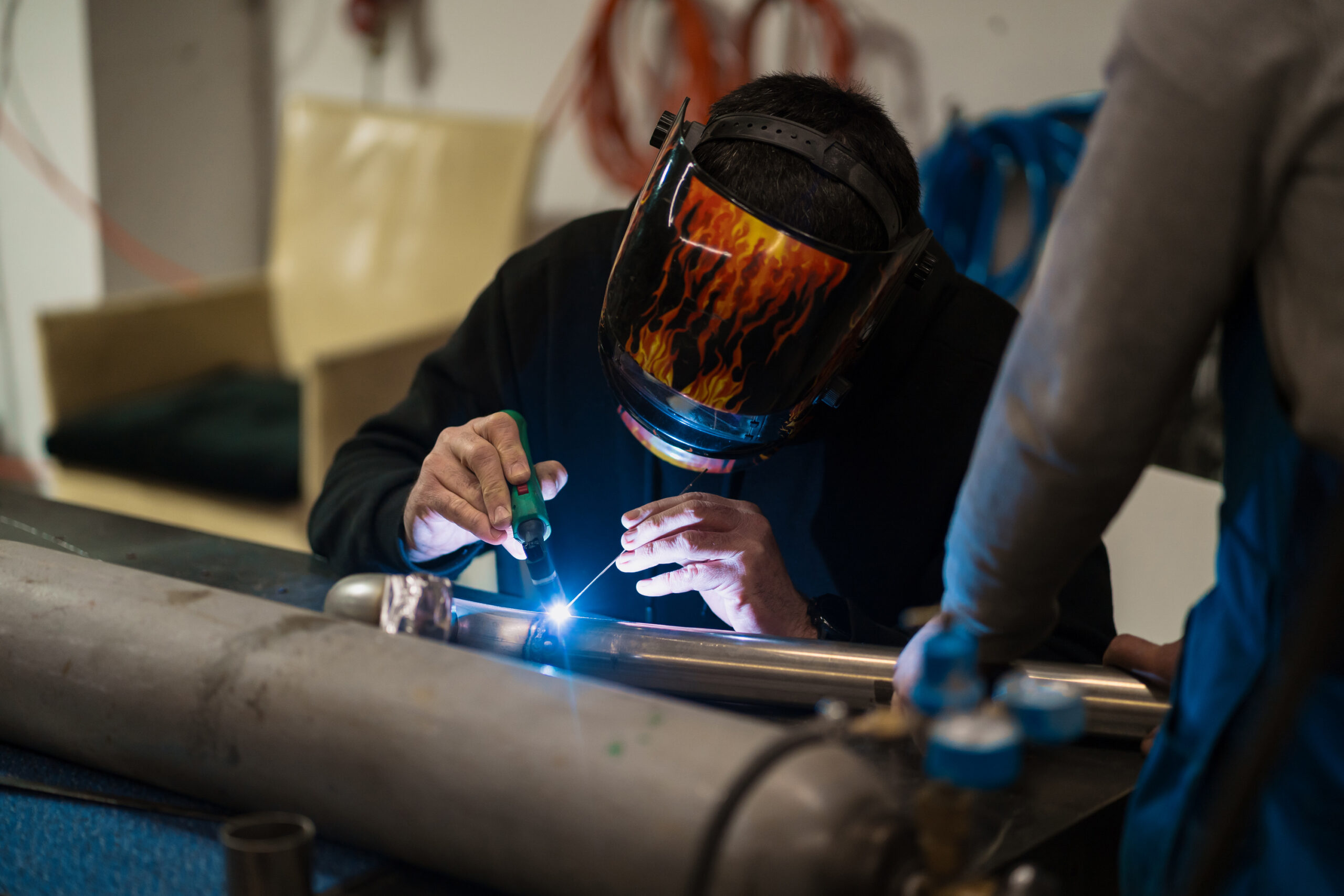
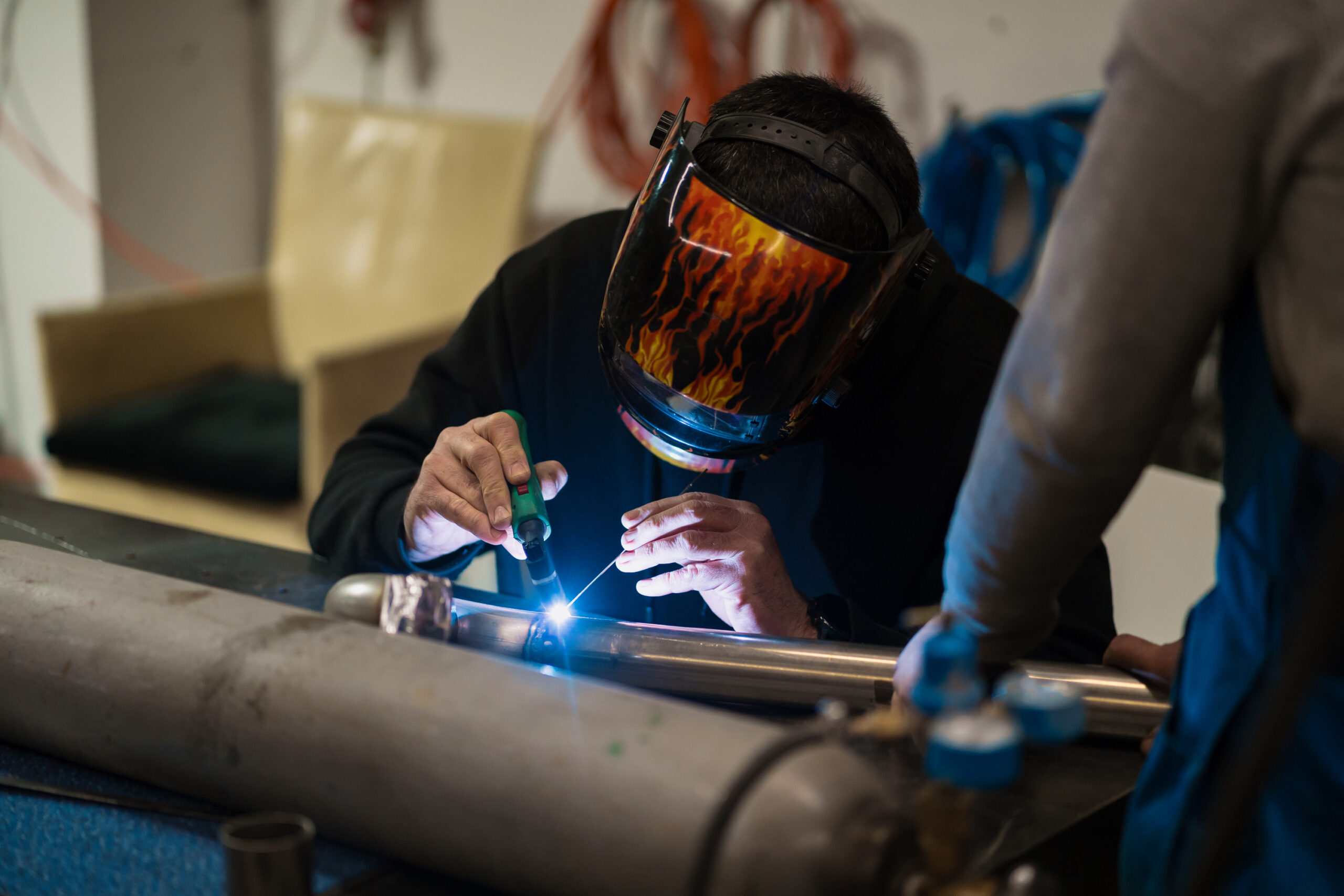
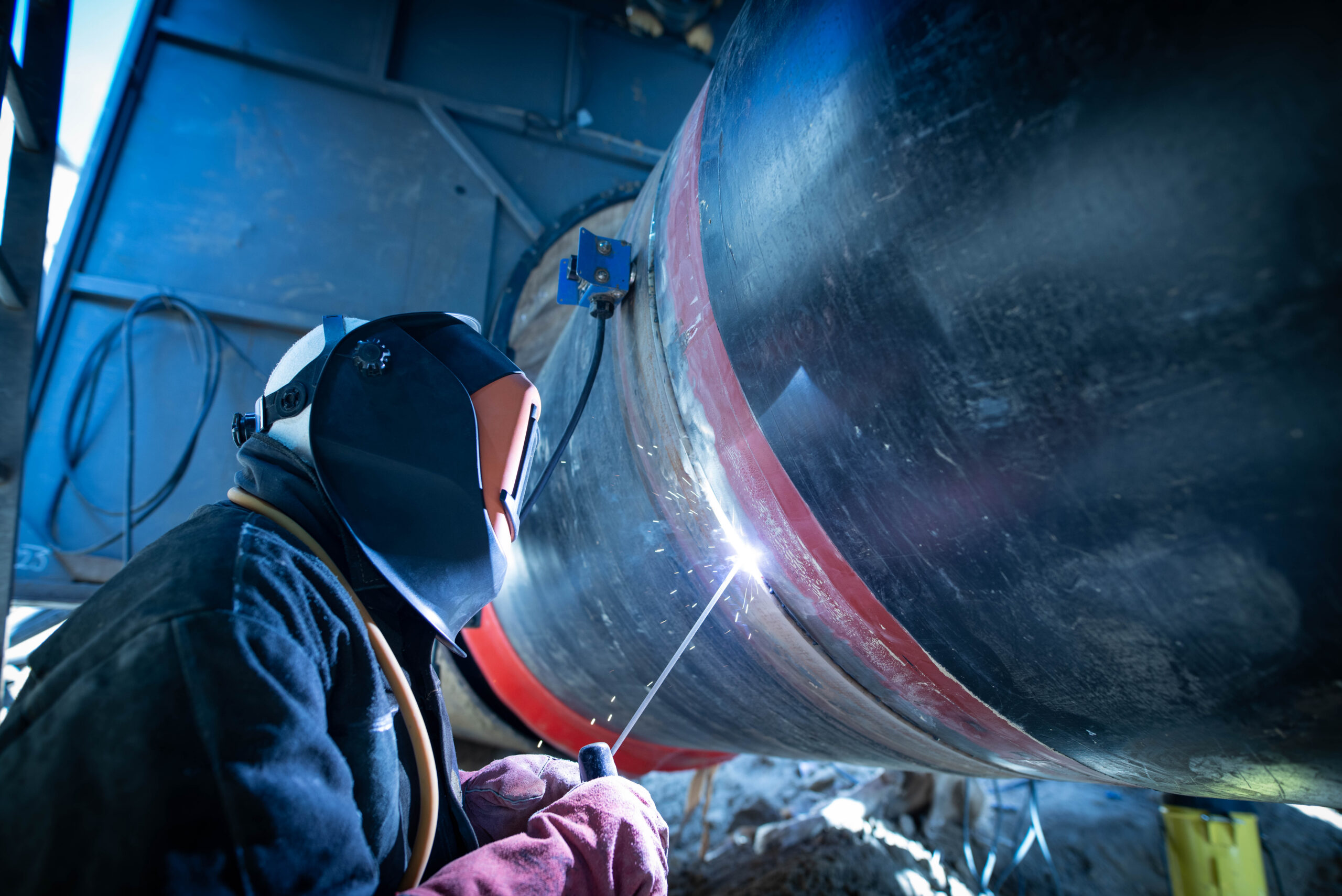
When two pipeline sections are joined during offshore tie-ins, the internal lining or coating is destroyed at the weld zone.
This bare steel area becomes an entry point for corrosion, which can quickly spread and compromise the pipeline.
Traditional field-applied coatings or robotic joint coatings are often unreliable in offshore conditions, leading to delays and long-term weaknesses.
Weather Windows and Time Pressure
Offshore construction projects operate under strict weather windows. Rough seas, storms, or seasonal changes can halt operations, making time one of the most valuable resources. Delays in robotic coating, inspection, or curing of field-applied systems increase the risk of schedule overruns and higher costs.
High Pressure and Harsh Fluids
Offshore pipelines often transport hydrocarbons, produced water, or injected water at high pressure. These fluids are corrosive, and when combined with elevated temperature or sand particles, they cause significant erosion and abrasion. Weld zones are particularly vulnerable because they lack the same protection as the coated pipe body.
Cost of Failures
If an offshore pipeline fails, the repair cost is far greater than onshore. Beyond the financial loss, environmental concerns and regulatory pressures make integrity management non-negotiable. EPCs and operators cannot afford solutions that deliver short-term fixes.
Why Traditional Coating Solutions Fall Short
Historically, offshore weld zone protection relied on robotic internal coating systems or manual patching. While these methods seemed practical on paper, real project experience has shown their weaknesses. Robotic systems are prone to malfunction offshore, particularly in unpredictable conditions. In several documented projects, robots failed to meet deadlines, leaving EPCs with uncoated welds and unfinished tie-ins.
Manual coatings also present challenges. Offshore environments make it difficult to achieve consistent quality, and coating failures often go undetected until pipelines are operational. These failures can lead to premature corrosion and unexpected downtime.
Internal Pipe Sleeves as a Solution
Internal pipe sleeves address offshore pipeline challenges at their core. Unlike field coatings, sleeves are installed prior to welding, forming a permanent barrier that protects the steel at the weld zone. Once the pipeline is pressurized, the sleeve seals expand and lock in place, ensuring that corrosive fluids never reach the bare steel.
This system eliminates the need for robotic coating equipment, curing times, or patching in difficult offshore environments. By protecting weld zones from the start, sleeves reduce both the risk of corrosion and the possibility of project delays.
Time and Cost Savings for Offshore Projects
For EPC contractors, vessel time and offshore labor costs are significant. By removing robotic coating processes, internal pipe sleeves shorten the tie-in procedure. Crews can complete welds more quickly while maintaining full integrity. This efficiency reduces exposure to bad weather and lowers overall project risk.
Case studies have shown that pipelines using sleeves instead of robotic coatings can achieve faster completion times and better reliability. Projects that faced repeated delays with epoxy-based coatings have reported improved schedules and reduced inspection concerns after transitioning to sleeve-based solutions.
Improving Safety and Reliability
Safety is always a priority in offshore operations. Internal sleeves improve safety by reducing reliance on coating materials and equipment that must be applied offshore under challenging conditions. Workers spend less time handling hazardous chemicals, and the risks of equipment failure are minimized.
From a long-term perspective, sleeves ensure the weld zones remain fully protected for the lifespan of the pipeline. This reduces the likelihood of failures that could threaten both the environment and company reputation.
Applications in Offshore Pipelines
Internal sleeves are suited for a wide range of offshore systems.
Offshore Tie-Ins
In modular offshore construction, tie-ins are frequent and must be completed quickly. Sleeves protect welds without slowing down installation.
Produced Water Systems
Pipelines carrying produced water are highly corrosive. Internal sleeves provide an added layer of assurance against aggressive fluids.
Hydrocarbon Transport Lines
Oil and gas flowlines demand robust weld zone protection. Sleeves are designed to withstand high pressures and temperatures, offering long-term reliability.
How Sleeves Outperform Traditional Methods
Compared to external coatings, which cannot protect the inside of the weld zone, or robotic systems, which are prone to delay, sleeves provide a simple mechanical solution. Their pressure-activated seals ensure protection regardless of environmental conditions. This technology represents a permanent fix rather than a temporary coating layer.
Integrating Sleeves into Integrity Management
Offshore operators are increasingly focused on long-term integrity management programs. By incorporating internal pipe sleeves into new construction, they can reduce the need for future interventions. This proactive approach aligns with industry commitments to safety, environmental protection, and cost efficiency.
For more details on how sleeves contribute to corrosion control and long-term reliability, you can explore our article on internal pipe sleeves and their applications across the pipeline industry.
Conclusion
Offshore pipeline challenges will always exist, but the solutions we choose determine whether projects succeed or fail. Corrosion, delays, and coating failures are problems that EPCs cannot afford in today’s energy landscape. Internal pipe sleeves offer a straightforward and effective answer, providing permanent weld zone protection, faster construction, and reduced offshore risk.
As the industry continues to push into deeper waters and harsher environments, sleeves are proving to be more than just an alternative. They are becoming the standard for offshore tie-in operations and a cornerstone of reliable offshore pipeline construction.