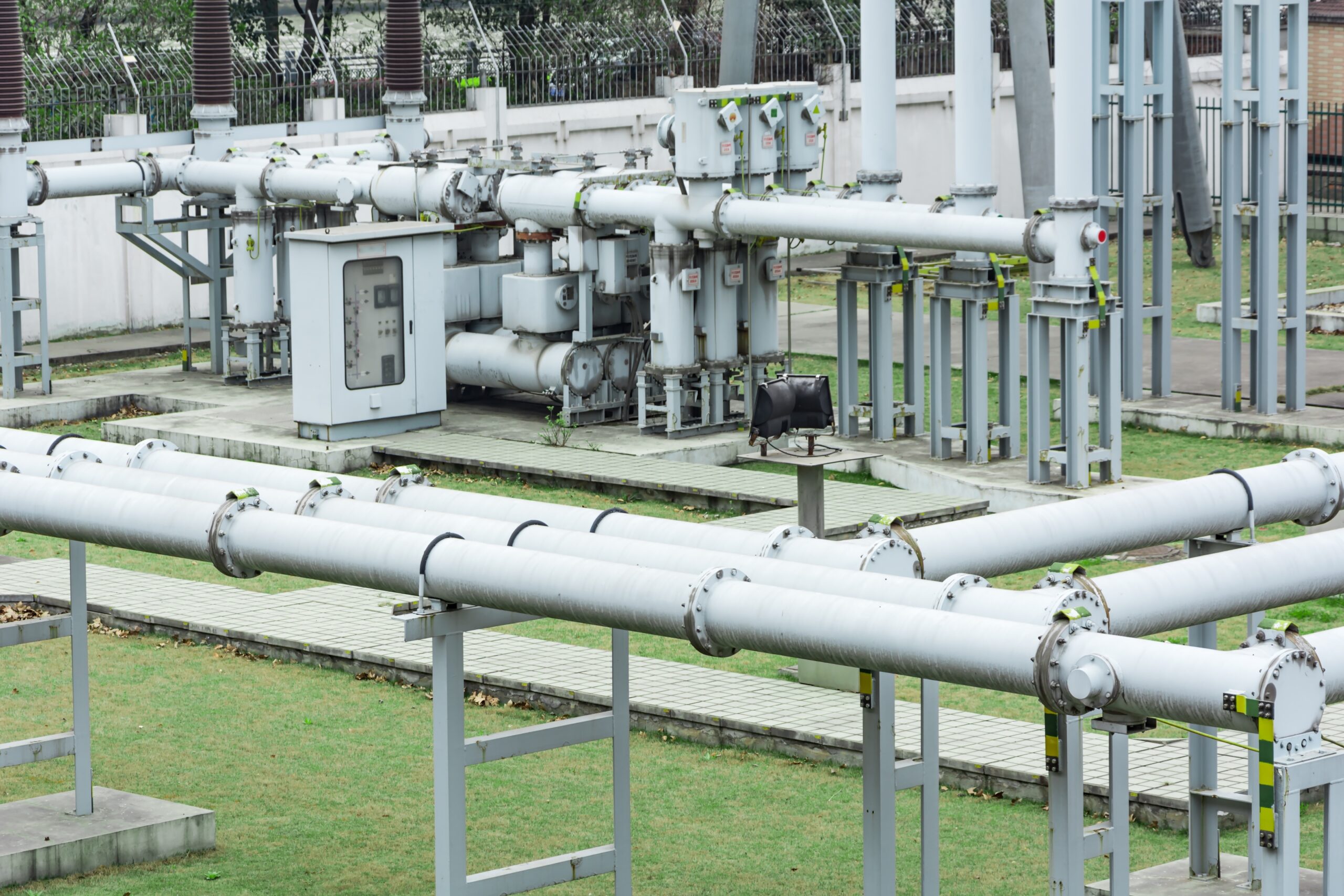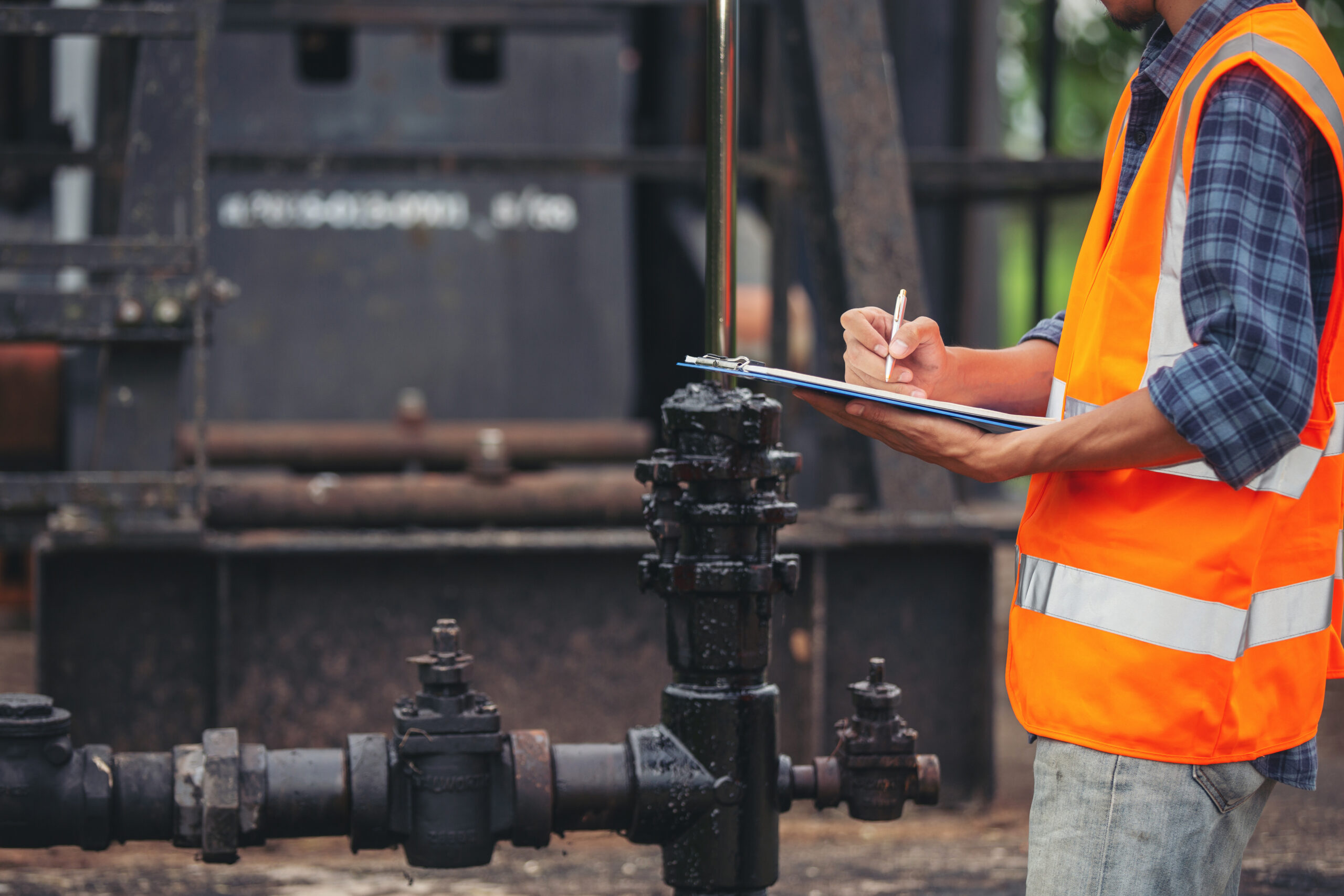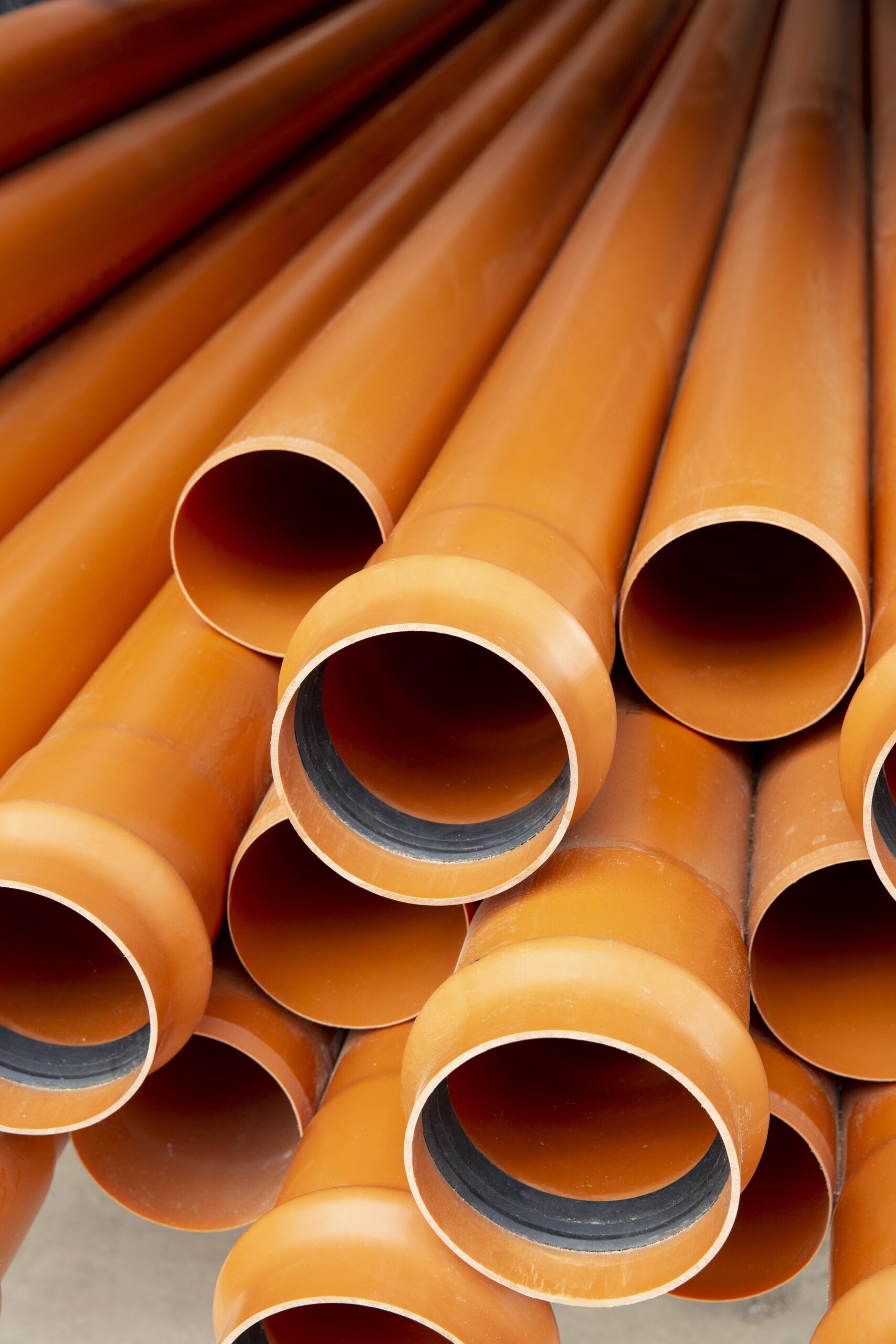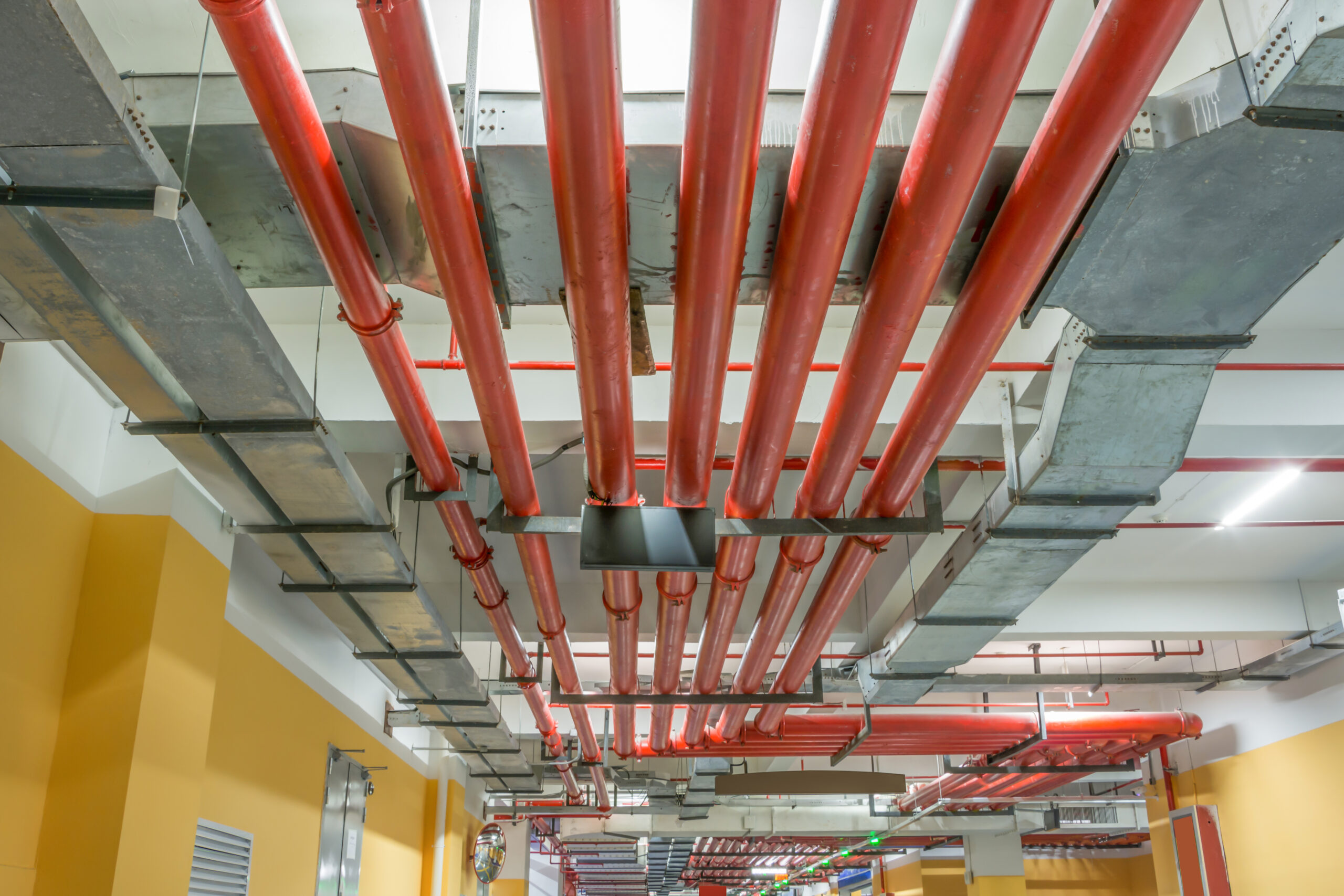
High pressure pipelines are the backbone of industries that transport oil, gas, chemicals, and water across vast distances. These assets operate under extreme loads, making them more vulnerable to internal corrosion, joint failures, and unexpected breakdowns. Keeping them safe and efficient is not just about coatings or weld strength it’s about reinforcing the system where it is most vulnerable.
This is where sleeves have proven their value. At Lined Pipe Systems, we have worked with operators and EPCs who rely on sleeves as an integral part of maintaining high pressure pipelines. They don’t just protect weak points; they enable smoother construction, safer operation, and longer service life.
The Unique Demands of High Pressure Pipelines
High pressure systems face stresses that ordinary pipelines never encounter. Every weld, bend, and connection is under immense strain from internal forces. When these points lack proper reinforcement, even small flaws can escalate into catastrophic failures.
Corrosion is another pressing issue. Weld zones often lose their protective coatings during construction, leaving steel exposed. In high pressure environments, this accelerates deterioration, increasing the risk of leaks or ruptures. For operators, these failures translate to downtime, costly repairs, and potential environmental consequences.
Why Sleeves Are Essential in High Pressure Environments
Pipelines designed to handle high pressures require more than just thicker walls. They need localized reinforcement at the points most likely to fail. Sleeves offer a proven solution by shielding weld joints and bare steel areas from direct contact with transported fluids.
Unlike traditional robotic field joint coating, which depends heavily on site conditions, sleeves deliver consistent protection. Once inserted and sealed, they form an uninterrupted barrier that restores pipeline integrity. For high pressure pipelines, this consistency is crucial.
Sleeve Design for High Pressure Pipelines
Mechanical Integrity
Sleeves in high pressure applications are designed to resist internal forces while maintaining a secure seal. Their mechanical strength ensures that the joint area does not become a weak link. At LPS, our designs focus on balancing flexibility with durability so the sleeve can handle both pressure loads and installation stresses.
Compatibility with Linings
Many high pressure pipelines are internally lined with protective materials like HDPE, polyurethane, or epoxy. Sleeves are engineered to integrate seamlessly with these linings, ensuring that protection is continuous from one section to another. This prevents gaps that could otherwise expose steel to corrosive fluids.
Heat and Chemical Resistance
In certain high pressure systems, elevated temperatures and chemical exposure are unavoidable. Sleeves designed for these pipelines must resist both heat and chemical degradation. Advanced materials and precision engineering make this possible, allowing sleeves to perform even in harsh operating conditions.
Performance Insights from the Field
Sleeves have demonstrated real-world value across industries where high pressure pipelines are critical.
In offshore oil and gas projects, sleeves have eliminated weld joint failures that once caused significant delays. Operators have reported reduced downtime and improved reliability after switching from coatings to internal sleeves.
Mining operations transporting high pressure slurries have also seen extended pipeline life. The abrasive nature of slurry flows makes weld joints particularly vulnerable. Sleeves have provided consistent protection, ensuring pipelines operate longer between maintenance cycles.
Comparing Sleeves with Traditional Methods
When we compare sleeves to methods like weld overlays or robotic joint coating, the differences are clear.
Weld overlays may improve structural strength but do little to combat corrosion inside the pipeline. Robotic coatings are inconsistent in high pressure settings, where precision is non-negotiable. Sleeves provide both mechanical and chemical protection, making them a more complete solution.
Cost and Operational Benefits
Every hour of downtime in a high pressure pipeline is expensive. Weld repairs and robotic coatings often require extended shutdowns and rework. Sleeves, on the other hand, can be installed efficiently, reducing downtime and labor costs.
From a lifecycle perspective, sleeves lower maintenance frequency. By extending the service life of weld joints and preventing failures, they reduce the need for costly interventions, allowing operators to maximize production uptime.
Safety and Risk Reduction
In high pressure systems, safety cannot be compromised. Failures can have severe consequences for workers, communities, and the environment. Sleeves provide assurance that the most vulnerable parts of a pipeline are protected. By eliminating the need for welding during construction or repair, they also minimize risks associated with hot work.
For operators committed to ESG and compliance standards, sleeves align with safety and environmental goals. Extending pipeline service life means fewer replacements, lower emissions, and improved sustainability performance.
Future Outlook for Sleeves in High Pressure Pipelines
As pressures increase and new energy projects emerge such as hydrogen transport sleeves will continue to evolve. Advanced designs are being developed to withstand higher loads, more aggressive fluids, and tougher operating environments.
At LPS, we are committed to pushing these innovations forward. By working with EPCs and asset owners, we ensure that sleeve technology not only solves today’s challenges but anticipates the needs of tomorrow’s high pressure systems.
Conclusion
High pressure pipelines demand more than standard protection methods. They require targeted reinforcement that addresses both structural and chemical challenges. Sleeves have emerged as the most reliable way to meet these demands, reducing downtime, improving safety, and extending asset life.
At Lined Pipe Systems, we help operators implement sleeve solutions that deliver consistent performance under pressure. For industries where every joint matters, sleeves are not just an option, they are the key to long-term reliability.