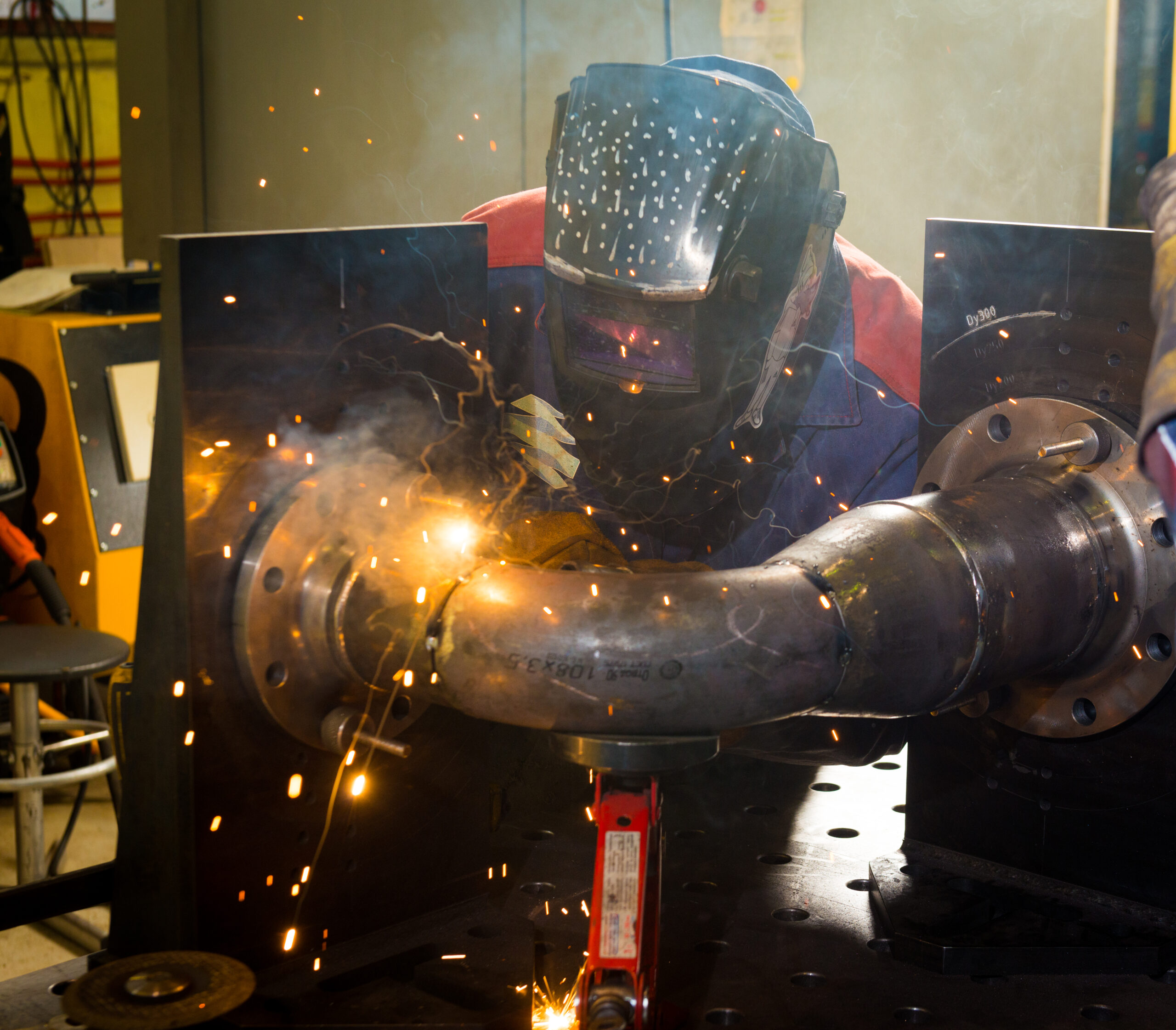
Girth welding is one of the most critical procedures in pipeline construction and repair. This method involves joining two pipe segments circumferentially, creating a continuous pipeline capable of handling high pressure and harsh environments. A properly executed girth welding procedure ensures the structural integrity of pipelines used in oil, gas, and water transportation. In industries where downtime and leaks can result in significant losses, understanding this process is vital for both engineers and asset owners.
At Lined Pipe Systems, we specialize in girth welding services and provide complementary solutions such as welding sleeves for reinforcement and leak repairs. This guide explains every stage of the girth welding process, its importance, and how it ties into pipeline protection strategies.
What Is Girth Welding?
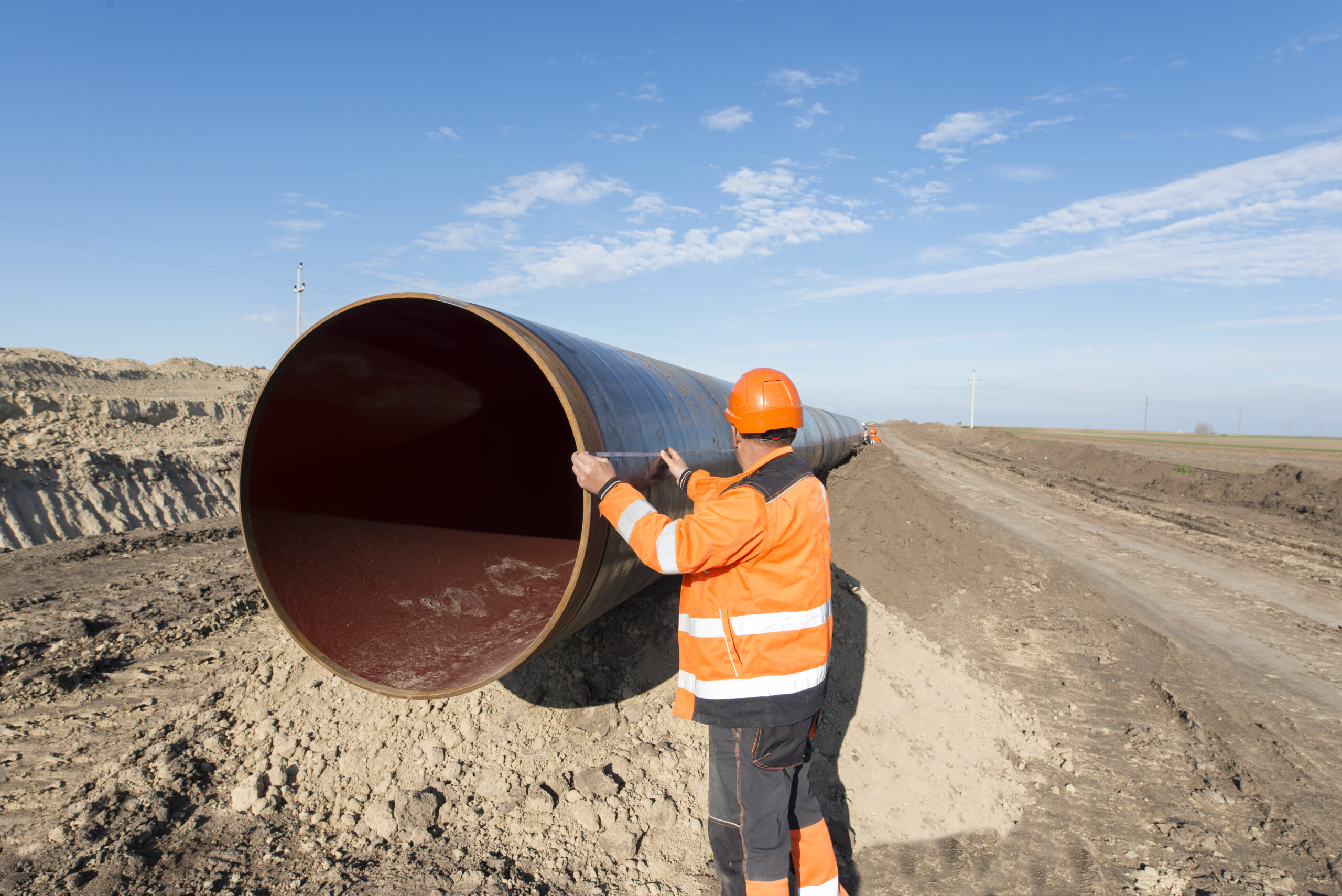
Girth welding refers to the circumferential joining of two pipe sections using welding techniques like shielded metal arc welding (SMAW), gas tungsten arc welding (GTAW), or flux-cored arc welding (FCAW). It is widely used during pipeline installation, field repairs, and fabrication of industrial piping systems.
Unlike straight seam welding performed in manufacturing facilities, girth welding is often done in the field, where conditions can vary significantly. This makes following standardized procedures essential to ensure quality and reliability.
Importance of Girth Welding in Pipelines
Pipelines are subjected to internal pressure, temperature changes, and external forces such as soil movement or vibration. A poorly executed girth weld can become a weak point, leading to leaks or catastrophic failures. Following the proper girth welding procedure not only ensures mechanical strength but also compliance with international standards like API 1104 and ASME B31.8.
Girth welds are also critical in lined or coated pipelines. Specialized techniques, such as welding sleeves, are employed to protect the pipeline’s internal lining during welding and to maintain corrosion resistance throughout the system.
Pre-Welding Preparation
Material Inspection
Before welding begins, each pipe section is inspected for dimensional accuracy, cleanliness, and surface defects. Any coating or lining near the weld area is removed to expose bare metal. This ensures strong fusion between the pipe ends.
Alignment and Fit-Up
Proper alignment is crucial. Pipes are aligned using clamps or external line-up tools to maintain uniform spacing and avoid misalignment, which can weaken the weld. Fit-up inspections are conducted to verify root gap and bevel angles.
Girth Welding Procedure Steps
1. Preheating
Preheating is applied to minimize thermal stress and prevent cracking. Additionally, the temperature depends on the material grade and wall thickness of the pipe. Moreover, uniform preheating ensures consistent weld quality.
2. Root Pass
The root pass is the initial weld layer that penetrates the joint and forms the foundation of the girth weld. In particular, techniques like GTAW or SMAW are commonly used for this pass to achieve precise control and full penetration.
3. Hot Pass
A hot pass follows immediately after the root pass to fuse the root bead fully and remove potential slag inclusions. As a result, this step enhances the strength and cleanliness of the weld.
4. Fill Passes
Multiple fill passes are applied to build up the weld joint. Subsequently, these passes fill the groove and ensure the required wall thickness is restored. Additionally, each pass is inspected visually before proceeding.
5. Cap Pass
The final pass, known as the cap pass, creates a smooth external surface and provides additional reinforcement. As a result, proper cap profiling reduces stress concentrations and improves aesthetics.
Welding Sleeves in Girth Welding
In many projects, welding sleeves are incorporated during or after girth welding. These sleeves act as reinforcement and provide extra protection, especially in lined pipelines. They prevent damage to internal HDPE or epoxy linings and are essential in maintaining pipeline corrosion resistance.
For example, during internal pipe sleeve installations, welding sleeves protect coatings from high welding temperatures and mechanical stress. This integration reduces the risk of premature coating failures and extends the service life of the pipeline.
Inspection and Quality Control
Visual and Dimensional Checks
After welding, each girth weld undergoes visual inspection to identify surface defects such as undercuts, porosity, or misalignment. Dimensional checks ensure the weld meets project specifications.
Non-Destructive Testing (NDT)
Methods such as radiographic testing (RT), ultrasonic testing (UT), and magnetic particle inspection (MPI) are applied to detect internal defects. These tests confirm the weld’s structural integrity without damaging the pipeline.
Hydrostatic Testing
Once welding and NDT are complete, hydrostatic testing may be performed on the entire pipeline to validate leak-tightness and confirm strength under operating pressure.
Standards and Compliance
Girth welding must comply with strict codes to guarantee safety and reliability. Common standards include:
- API 1104 – Welding of pipelines and related facilities.
- ASME B31.8 – Gas transmission and distribution piping systems.
- ISO 9606 – Qualification testing of welders.
These standards dictate procedure qualification, welder certification, and inspection requirements. At Lined Pipe Systems, our welding procedures are fully aligned with these codes, ensuring repairs and installations meet industry benchmarks.
Challenges in Field Girth Welding
Field welding conditions can be unpredictable. Weather, accessibility, and pipe cleanliness can affect weld quality. Moisture or dirt in the weld zone may lead to porosity, while misalignment can cause high stress points. To mitigate these risks, controlled environments such as welding tents and preheating equipment are often used.
Another challenge arises with lined pipelines, where protecting the internal lining during welding is critical. This is where specialized welding sleeves become essential to shield coatings from heat and ensure the pipeline remains corrosion-resistant.
Commercial Importance of Proper Girth Welding
A properly executed girth weld reduces maintenance costs, prevents leaks, and ensures uninterrupted flow in critical infrastructure. For industries transporting crude oil, gas, or water, this translates to significant operational savings and enhanced safety. Moreover, companies that adhere to certified procedures gain a competitive advantage during audits and regulatory inspections.
Investing in professional services for girth welding, rather than relying on unqualified contractors, minimizes the risk of costly repairs or environmental penalties. Partnering with companies like Lined Pipe Systems ensures access to qualified welders, advanced equipment, and end-to-end project support.
External Insights
Studies published by Pipeline & Gas Journal highlight that improper girth welding remains a leading cause of pipeline failures worldwide. According to NACE International, over 40% of pipeline incidents can be traced to welding and corrosion issues, underscoring the importance of strict adherence to welding procedures and protective measures like sleeves.
Conclusion
The girth welding procedure is central to ensuring pipeline integrity during construction and repair. From preheating and root passes to final inspection, every step must be executed with precision to achieve a leak-free, durable joint. Integrating welding sleeves into this process provides additional protection, especially for lined and coated pipelines exposed to corrosive environments.
For reliable girth welding services and reinforcement solutions, contact Lined Pipe Systems. Our certified welders and engineered sleeves guarantee quality, compliance, and long-term performance for your critical pipeline infrastructure.